

Three years ago today, the longest siege in modern history was broken.
On October 7, 2023, Palestinian fighters emerged from the Gaza Strip, a 365-square-kilometer enclave that had been under a full land, sea and air blockade for 17 years. For the first time in nearly two decades, the barrier that sealed 2.3 million people off from the world did not hold.
What followed has become the most documented and most devastating chapter in the history of the Palestinian question.
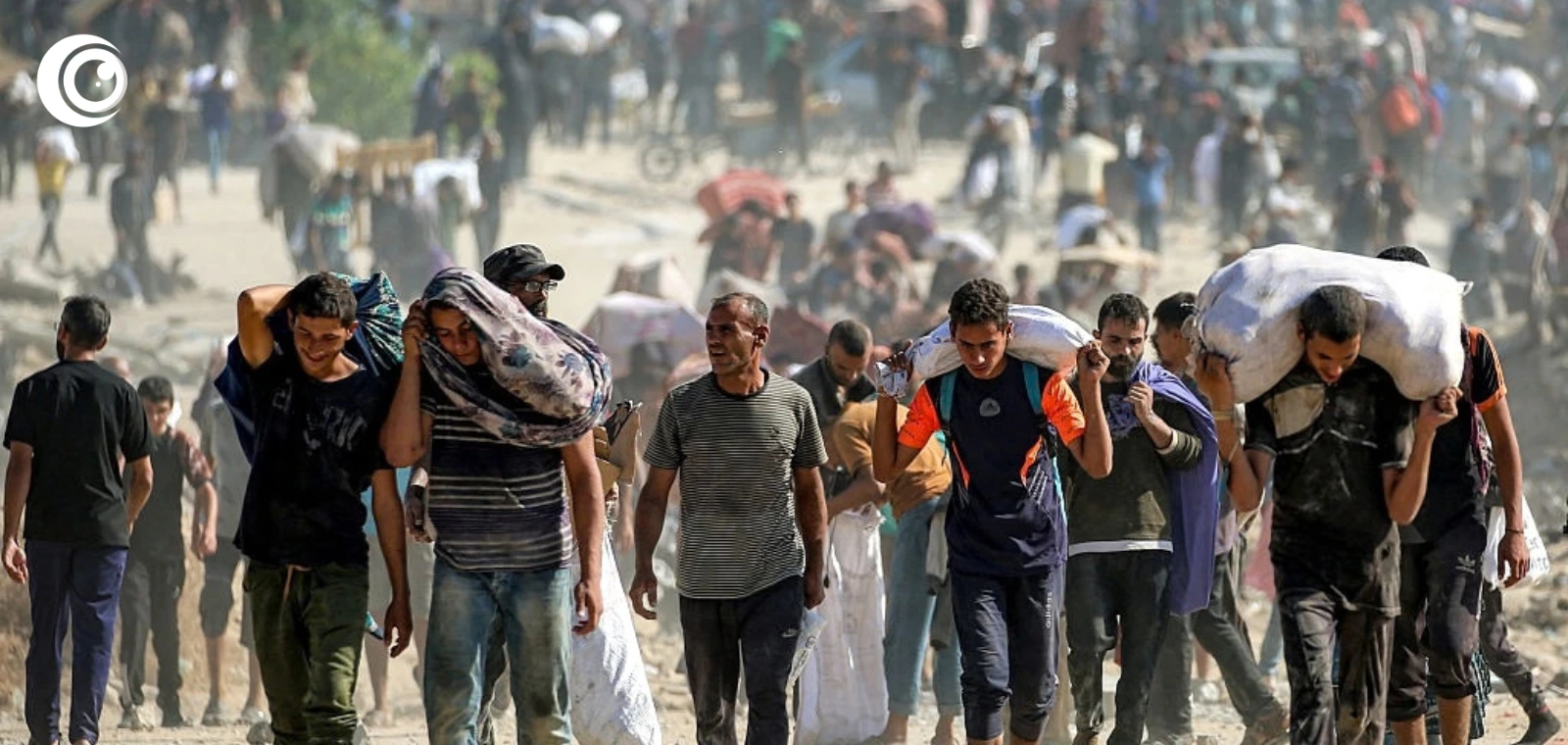
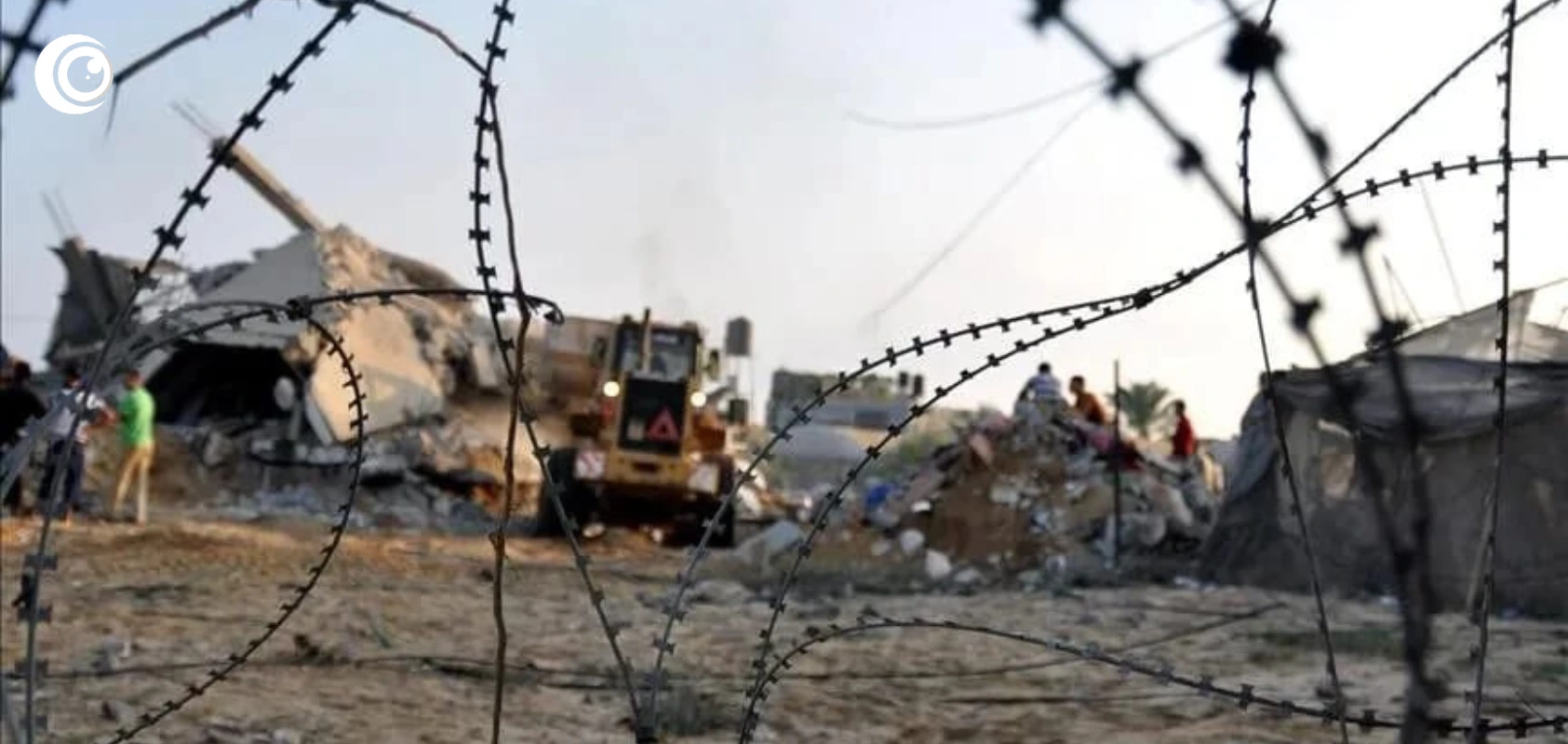
For three years, Gaza has endured an unprecedented military assault. According to health authorities and UN agencies, more than tens of thousands have been killed, with the majority women and children. Every university has been destroyed. Over 80% of homes, hospitals, mosques, and churches have been damaged or razed. Famine has been used as a weapon. International courts are now hearing cases of genocide.
It was described by Israeli officials as a war to “eliminate” resistance. After 1,000 days, that objective has not been met.
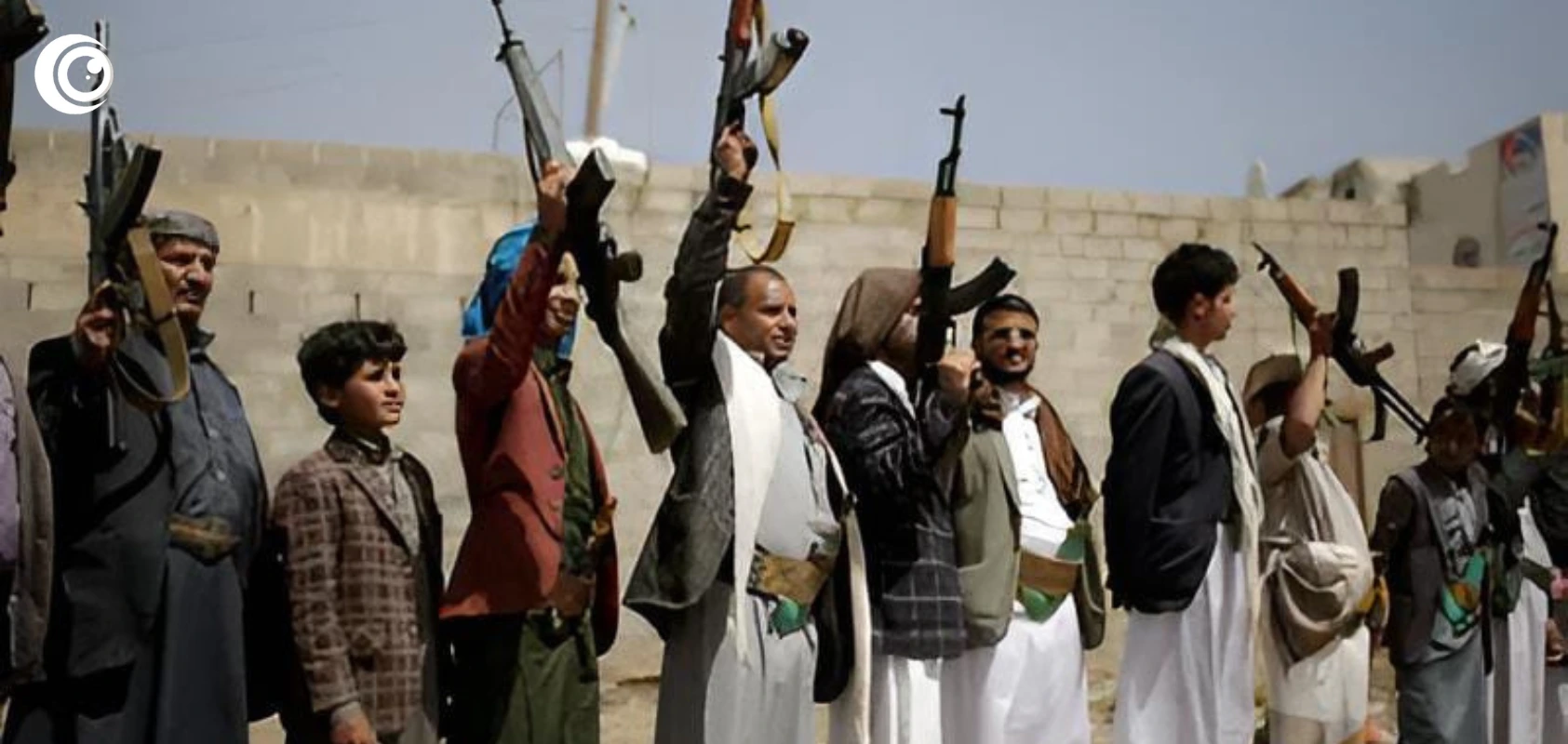
From the rubble of Jabaliya to the coastline of Rafah, armed resistance continues. Fighters still operate in areas the Israeli army claimed to have cleared a year ago. Families who were ordered to leave permanently have returned to pitch tents on the ruins of their homes.
“The goal was to make Gaza uninhabitable and make the idea of resistance unthinkable,” said a political analyst in Doha. “After three years, Gaza is uninhabitable, but the idea is more alive than ever. That is the failure.”
On the anniversary, there are no official celebrations in Gaza. There is no electricity to power them. Instead, commemorations are quiet: prayers in destroyed mosques, photos of the dead taped to standing walls, and the same phrase spray-painted across concrete: “We will not leave.”
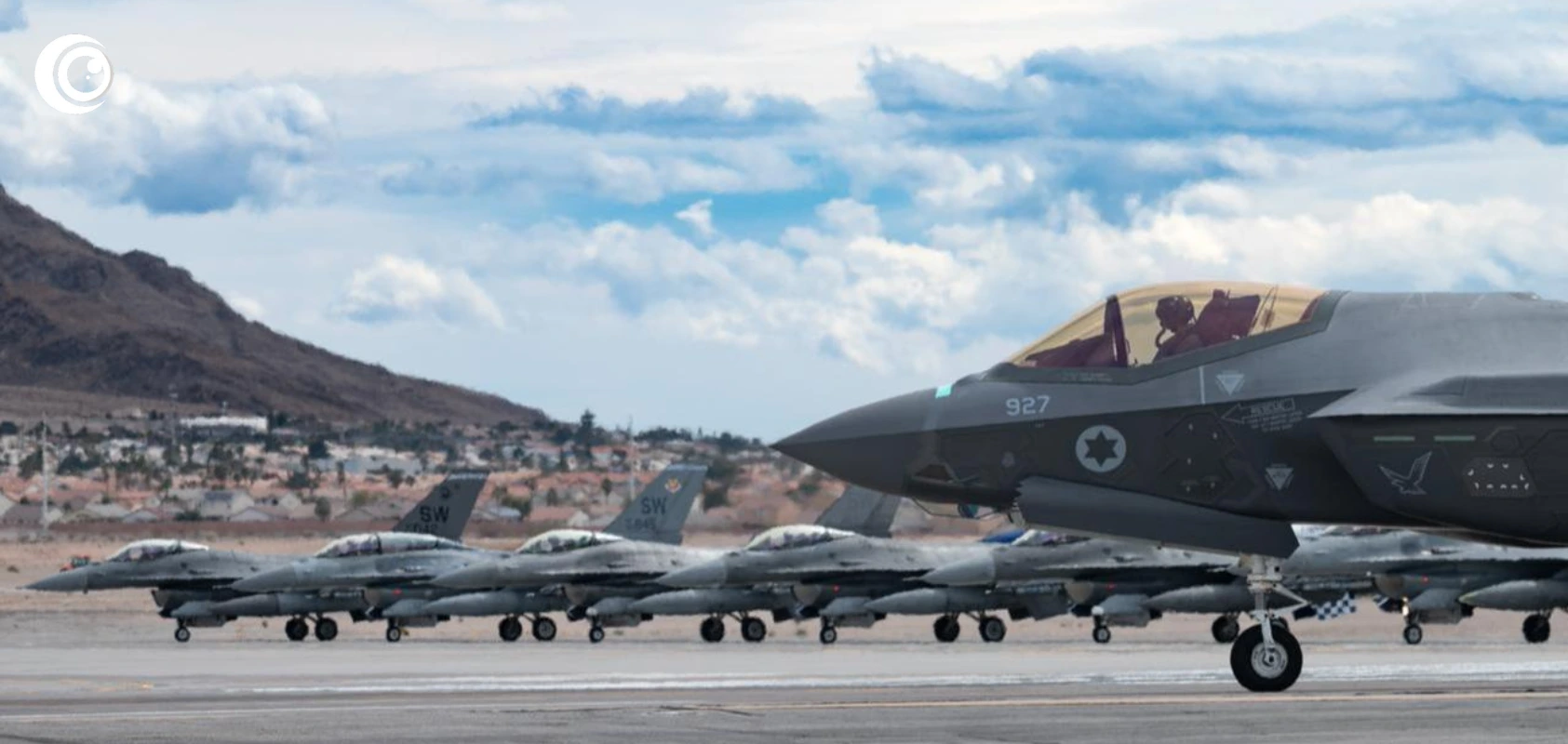
Three years after the siege was broken, Israel still controls the skies over Gaza and restricts all aid. Yet it has not been able to restore the sense of deterrence and invincibility that was shattered on that morning.
For Palestinians, October 7 is now marked not just as the day the wall fell, but as the day that proved a siege can be broken even if the price of breaking it is everything.