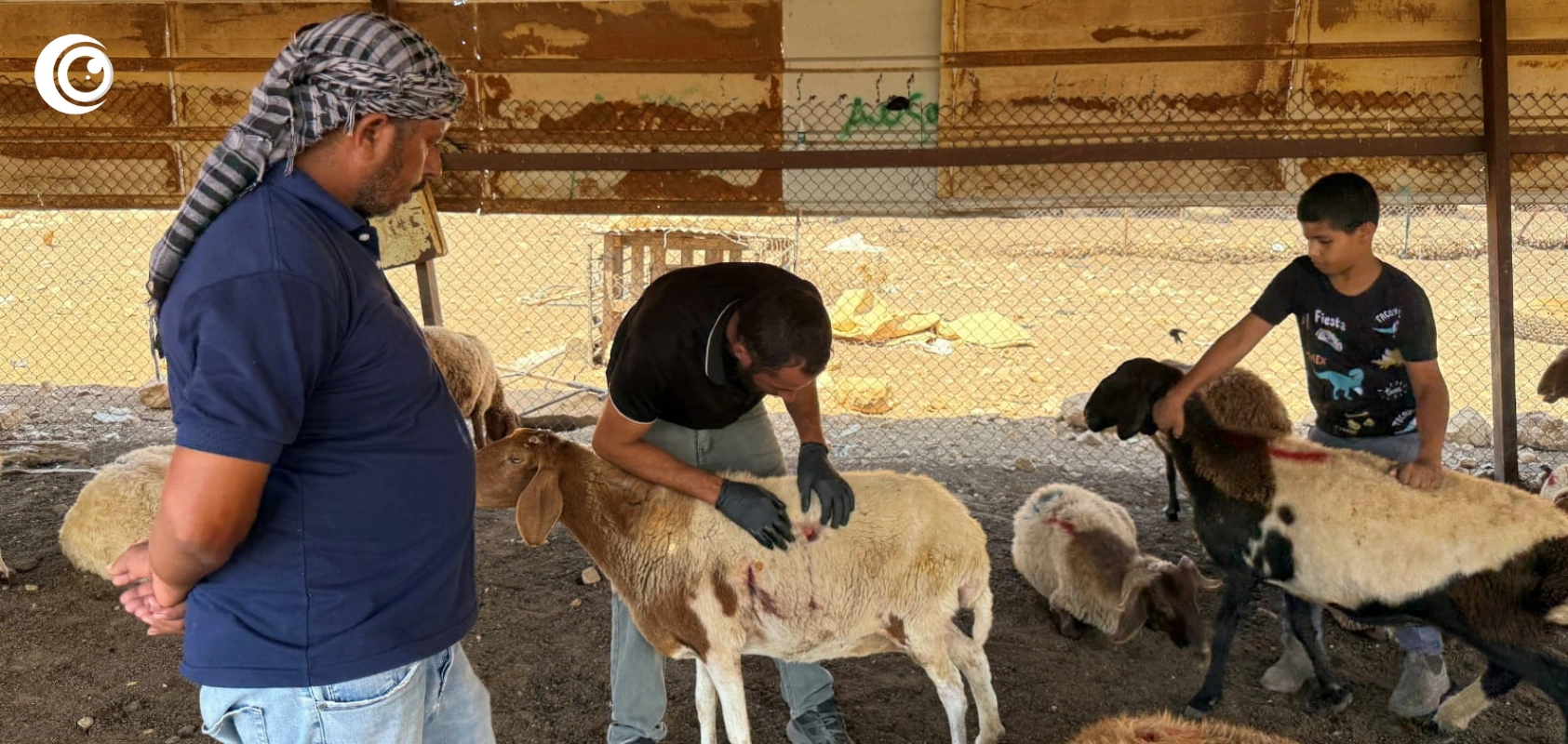



Around 20 sheep and goats were killed following an attack by Israeli occupation settler militias on a Palestinian farm in Kafr Malek, northeast of Ramallah, in the occupied West Bank. The incident adds to growing concerns over attacks targeting Palestinian farmers, livestock and agricultural property, threatening both livelihoods and the ability of rural communities to remain on their land.
Israeli settler violence has long been a concern for Palestinians across the occupied West Bank. Farming and herding communities are particularly vulnerable because their livelihoods depend on access to land, grazing areas, water and olive groves. Human rights organisations have documented attacks involving physical assaults, property destruction, livestock theft and damage to agricultural resources. Such incidents take place within the wider context of Israel’s occupation and the expansion of settlements, which are considered illegal under international law.
The attack in Kafr Malek comes amid renewed reports of settler violence during the Palestinian olive harvest season. Recent incidents across the West Bank have included the burning of vehicles and olive trees, damage to agricultural land, theft of crops and assaults on Palestinian residents. United Nations reporting has documented more than 1,600 settler-related incidents resulting in casualties or property damage during the first eight months of 2026, highlighting the scale of the ongoing problem.
Continued attacks on farms and herding communities deepen instability across the occupied West Bank and increase pressure on Palestinians to abandon areas where their families have lived and worked for generations. The destruction of livestock and agricultural assets also weakens local economic resilience, while the repeated nature of these incidents raises questions about deterrence, accountability and the effectiveness of measures taken to prevent further violence. The issue remains part of broader international concerns over settlement expansion and the future of a viable Palestinian state.
The killing of approximately 20 sheep and goats represents a direct economic loss for the affected Palestinian family, potentially depriving them of income, food and a source of long-term financial security. For farming and herding households already facing restricted access to land and grazing areas, such losses can have consequences well beyond the immediate attack. Human rights organisations have warned that violence against rural communities, including the targeting of livestock and agricultural property, can contribute to displacement and undermine Palestinians’ ability to sustain their lives under occupation.
The incident adds to longstanding calls from Palestinian representatives, human rights organisations and international bodies for stronger protection of Palestinian civilians and accountability for settler violence. United Nations reporting has repeatedly highlighted the scale of attacks across the occupied West Bank. Human rights groups have also urged Israeli authorities to investigate incidents, prevent further assaults and ensure that those responsible face meaningful legal consequences. Information on any specific official response to the Kafr Malek incident remains unconfirmed.
The killing of livestock in Kafr Malek underscores the continuing risks faced by Palestinian farming communities across the occupied West Bank. The immediate priority is to establish the full circumstances of the attack, document the losses and ensure the safety of the affected family. Whether the incident leads to an investigation or accountability measures remains unclear. Without effective protection and credible enforcement, attacks on Palestinian land, livestock and livelihoods are likely to remain a serious concern.