
Iran’s Supreme Leader Imam Syed Mojtaba Ali Khamenei vowed that there will be no peace with the United States until Tehran’s wartime demands are fully met.
Speaking in Tehran during a high-level briefing with Mohsen Rezaei Mirgha’ed, secretary of Iran’s Supreme National Security Council, Imam Syed Mojtaba Ali Khamenei said any resolution to the conflict with Washington must fully protect the rights and strategic interests of the Iranian people and the broader Resistance Front.
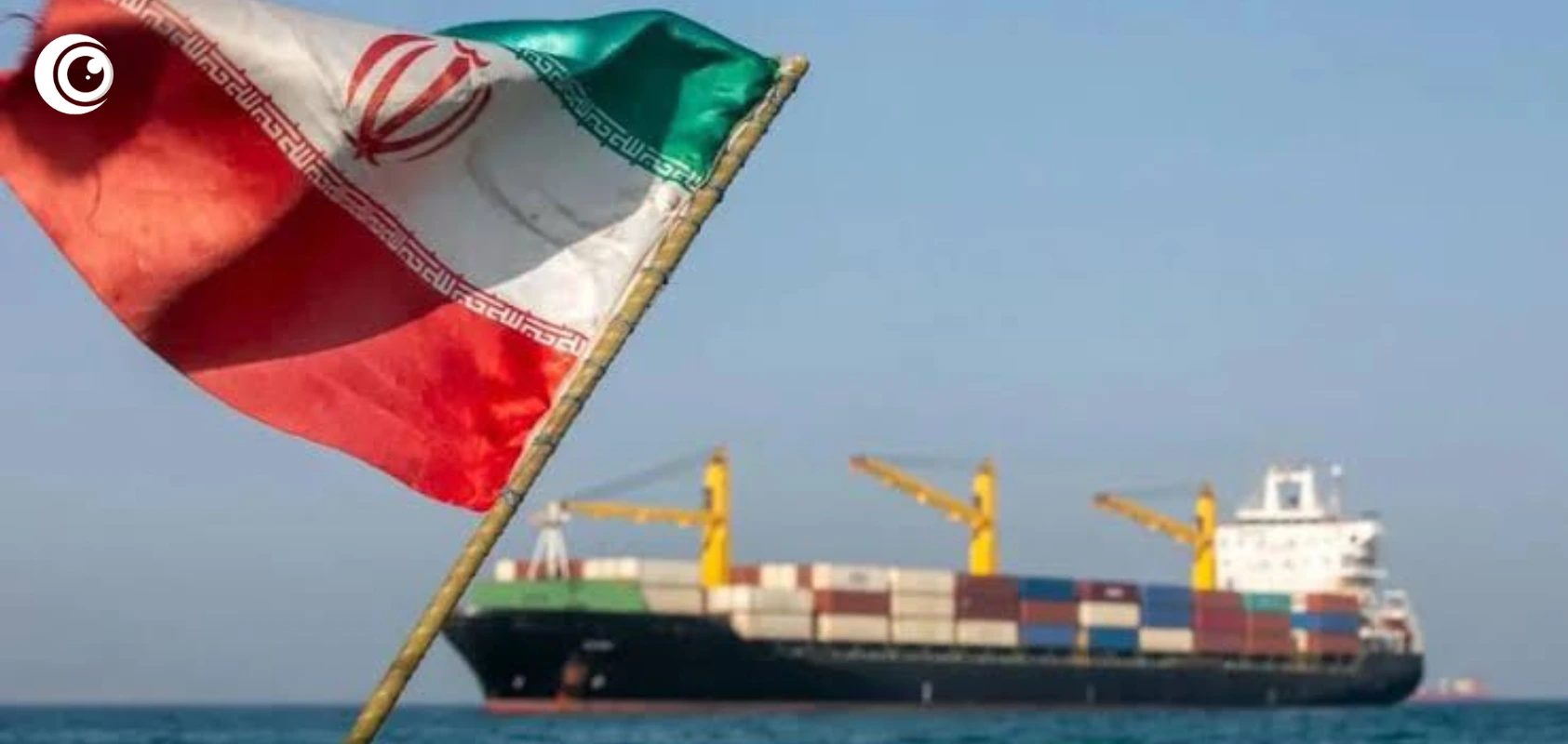
The Iranian Supreme leader stressed that Tehran will maintain full operational management over the strategic Strait of Hormuz to safeguard national and regional security. He pointed to U.S. desperation resulting from Iranian popular resistance as a factor strengthening Tehran’s position.
Khamenei reiterated Tehran’s broader policy of cultivating “endogenous regional arrangements” with neighboring Arab states, while simultaneously leveraging maritime control to compel U.S. compliance.
Rezaei briefed the Supreme Leader on Iran’s security posture and on diplomatic communications conducted via regional intermediaries. He confirmed that Tehran will not reopen the Strait of Hormuz or resume formal negotiations until Washington implements seven core requirements.
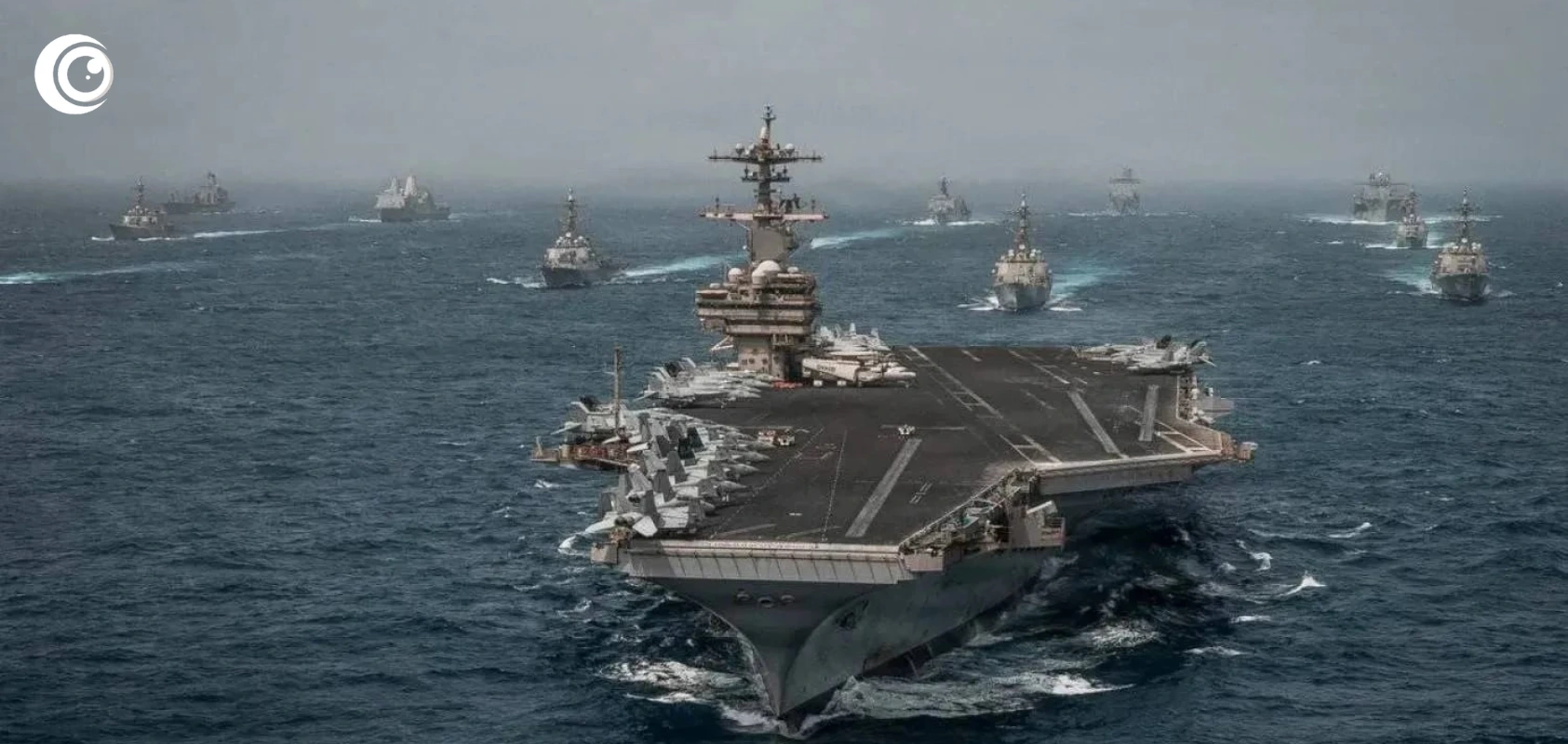
Those requirements include a total end to hostilities, the lifting of the U.S. naval blockade, and the release of frozen assets, among other conditions that have not been publicly detailed.
The report notes that the consultations in Tehran coincide with active quadrilateral security dialogues between Iran, Turkiye, Saudi Arabia, and Pakistan aimed at de-escalating regional friction while Tehran preserves its primary strategic leverage over the Strait.