

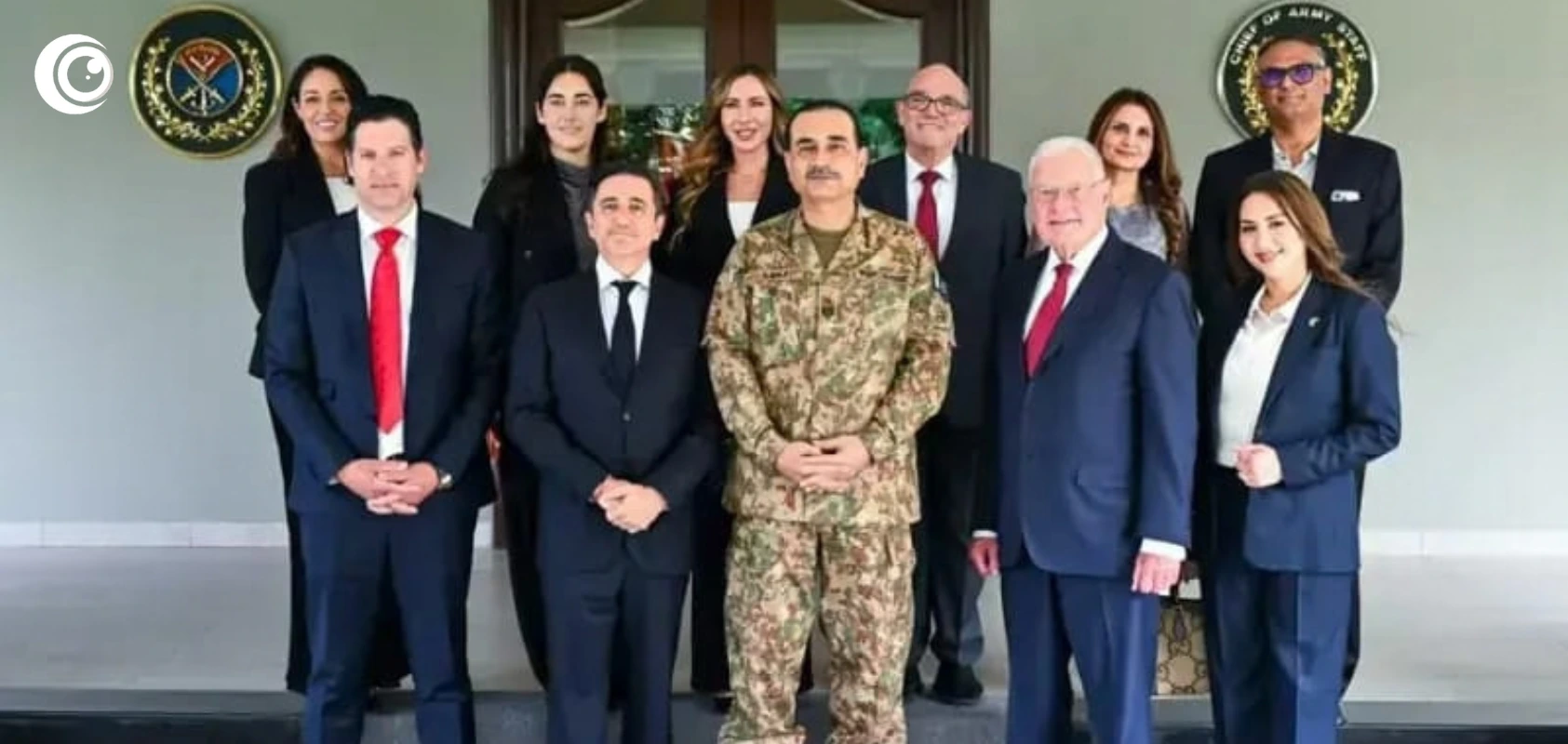


What is unfolding through Pakistan’s expanding military engagements in the Muslim world is not a spontaneous expression of Islamic unity or collective security. It is a calculated projection of strategic influence, engineered through defense pacts, arms exports, and security agreements with select Muslim-majority states. This is not Ummah-building. It is influence-building pursued quietly, normalized through media narratives, and celebrated as solidarity, while remaining detached from principled action on the most urgent moral crises facing the Muslim world.
Pakistan’s defense diplomacy has taken on an increasingly expansive character. Engagement with Saudi Arabia laid the foundation, with discussions reportedly involving the conversion of Saudi financial support into aircraft and defense deals. Turkey was drawn into overlapping defense frameworks, creating a trilateral alignment framed as Muslim cooperation but structured around arms production, training, and strategic leverage. Indonesia followed, marking Pakistan’s entry into Southeast Asia’s defense market through negotiations involving JF-17 fighter jets and drones. Now Sudan appears on the horizon, with reports of Pakistan supplying military equipment, including JF-17s, drones, and light attack aircraft. Each deal follows the same logic: Muslim partners, military hardware, strategic access.
These developments are often celebrated on social media as signs of rising status, strength, and Muslim unity. Yet beneath the surface, the logic is transactional. Pakistan’s defense industry particularly platforms like the JF-17 has become a tool of foreign policy. Arms exports generate revenue, diplomatic leverage, and long-term dependency through training, maintenance, and upgrades. By embedding itself into the security architectures of multiple Muslim states, Pakistan expands its relevance without assuming the burdens of collective political or moral action.
The language surrounding these alliances emphasizes brotherhood and shared interests. But unity here is transactional, not ethical. It is built on mutual benefit, not mutual obligation. Where profit and strategic gain exist, cooperation flourishes. Where political cost or moral sacrifice is required, silence prevails. Palestine exposes this contradiction most clearly. While Pakistan deepens military ties across the Muslim world, it remains absent from any meaningful effort to impose strategic pressure on Israel or its backers. Statements are issued, rhetoric is repeated, but no leverage is exercised and no cost is imposed.
The same pattern applies elsewhere. Sudan, a country torn apart by internal conflict and external interference, becomes another market rather than a cause. Yemen’s suffering remains compartmentalized. Syria’s devastation is treated as background noise. Gaza burns, yet the machinery of military diplomacy continues uninterrupted. Across these engagements, a clear pattern emerges: Pakistan’s military ties grow strongest where national and economic incentives align, but where the moral imperatives of the Ummah demand action, outreach becomes conspicuously quiet.
This transactional approach stands in sharp contrast to the rhetoric circulating in popular videos and commentary that portray Pakistan as a defender of Muslim causes. Such narratives amplify pride in military hardware and alliances while obscuring the deeper disconnect between influence and responsibility. Military power is being built and showcased, but collective moral leadership remains absent.
The implications go beyond diplomacy or commerce. When military cooperation is reduced to a series of bilateral deals justified primarily by strategic benefit, the broader idea of a united Ummah dissolves into a marketplace of interests. Arms deals become ends in themselves rather than instruments of justice, peace, or dignity. Unity becomes a performance, not a principle.
In this light, Pakistan’s growing military role appears less like a genuine answer to the calls of the Muslim world and more like a rebranding of influence. It reshapes perceptions of power but does not alter the moral trenches where the Ummah is most tested. Where influence expands without ethical anchoring, responsibility is avoided. Where solidarity is spoken but not acted upon, the suffering of the oppressed is left without strategic support.
And this is the core reality: this so-called unity exists only for self-interest. What is happening to the Muslim Ummah Palestine, Gaza, Yemen, Sudan, Syria is treated as “none of our business.” Unity is displayed only where it serves national benefit, economic gain, and strategic advantage. Beyond that, silence dominates. This is not unity for the Ummah. It is unity for profit, power, and national interests.
History is unforgiving on this point. Influence without responsibility does not protect dignity. Arms without moral direction do not defend the oppressed. And unity built solely on self-interest collapses the moment interests shift. Silence did not save Palestine. It will not save the Ummah from what comes next.