

What is unfolding in Iran today cannot be understood as a sudden domestic crisis detached from global politics. The protests that emerged in recent years were rooted in genuine economic hardship: inflation, currency instability, unemployment, and the pressure of long-standing sanctions on everyday life. These conditions created real frustration among ordinary citizens, and it was this frustration not foreign direction that initially brought people into the streets.
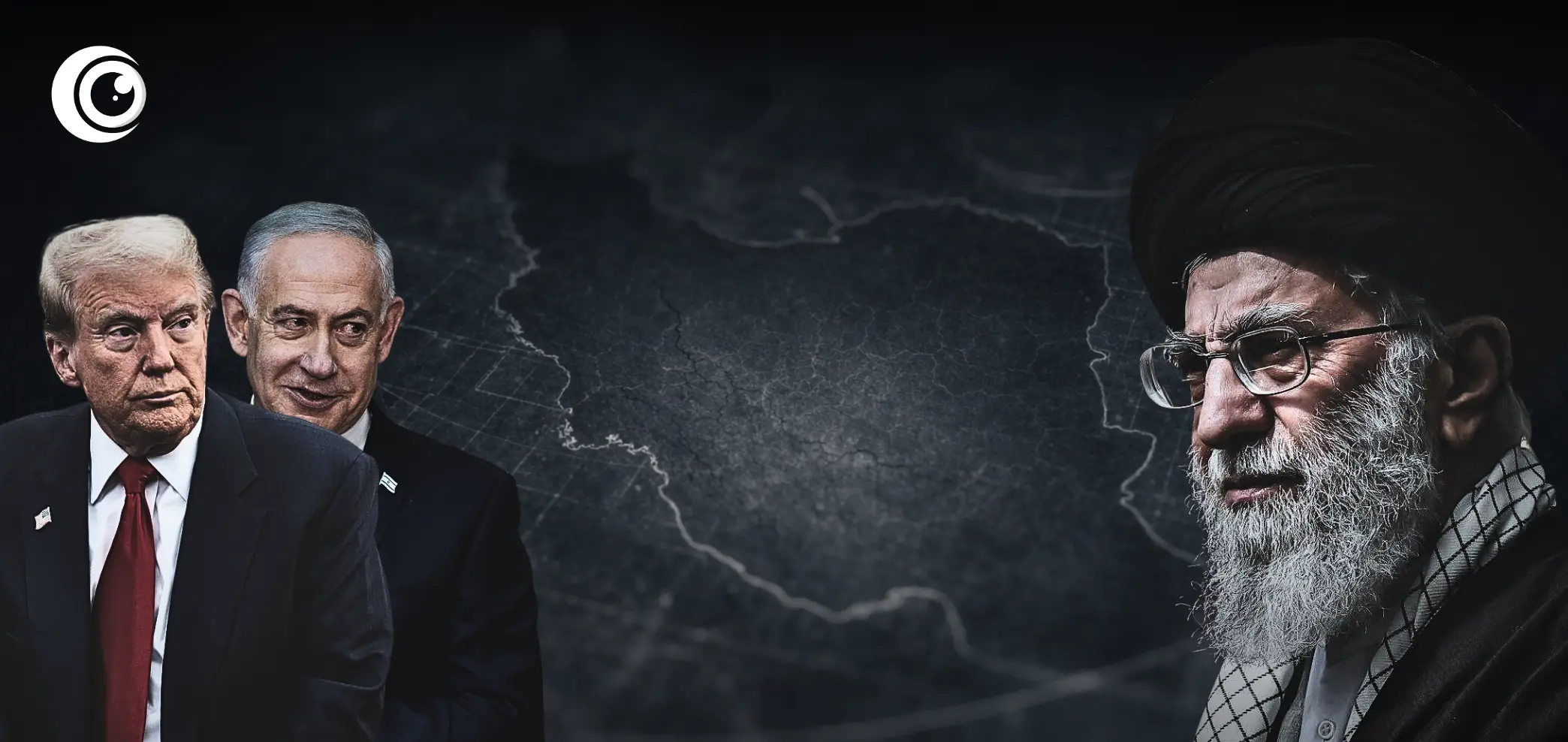
However, once the unrest became visible on a national scale, it entered a much wider geopolitical context shaped by decades of tension between Iran and Western powers, particularly the United States and Israel. For Washington and Tel Aviv, Iran has long represented a strategic challenge not only because of its regional influence, but also because of its nuclear ambitions and its insistence on maintaining an independent political and military posture. From their perspective, Iran’s growing technological and strategic capabilities were seen as incompatible with existing power balances in the Middle East.
This rivalry did not begin with the protests. It developed over many years through sanctions, diplomatic isolation, intelligence pressure, and international campaigns aimed at limiting Iran’s economic and political reach. These measures placed sustained pressure on Iran’s economy, contributing to the very conditions that later sparked public dissatisfaction. In this sense, economic hardship inside Iran cannot be separated from the broader system of external pressure imposed upon it.
When protests expanded, Western governments openly expressed political support for demonstrators, framing the unrest as a sign of systemic weakness within Iran. Israeli officials and media voices echoed similar interpretations. Iranian authorities, meanwhile, warned that foreign powers were attempting to turn legitimate social frustration into a broader challenge to state sovereignty. While the exact extent of external involvement remains debated, the political messaging surrounding the protests reflected a familiar pattern: internal instability in a strategically important country quickly becomes part of an international power struggle.
This approach reflects a wider historical pattern in the U.S. foreign policy. In different regions and eras, Washington has used a range of methods to influence political outcomes abroad sometimes through direct military action, sometimes through economic pressure, and sometimes through long-term political and diplomatic campaigns. The methods vary depending on geography and strategic cost.
Venezuela offers a contrasting example. Located close to U.S. borders and within a traditional American sphere of influence, it became the site of far more direct pressure. U.S. operations against Venezuelan leadership, along with open political threats toward Colombia, Cuba, and even Greenland, demonstrated how proximity and strategic calculation shape the tools used by powerful states. In regions where direct intervention is feasible, force becomes an option. Where it is costly or risky, pressure takes other forms.
Iran falls into the latter category.
Its geographic position, military capabilities, regional alliances, and potential for escalation make open military intervention far more dangerous than in cases like Venezuela. As a result, pressure on Iran has been exerted through prolonged sanctions, diplomatic isolation, narrative framing, and international political signaling. Over time, these measures have weakened economic stability and intensified internal social strain.
The protests, therefore, did not emerge in a vacuum. They grew out of a long-term environment shaped by both domestic challenges and sustained external pressure. While the grievances of the Iranian people were real, the global response to those grievances was shaped by strategic interests rather than purely humanitarian concern.
This does not mean Iran bears no responsibility for internal issues, nor does it mean foreign powers control every development inside the country. It means that modern political unrest often exists at the intersection of internal hardship and external competition. When a nation is under long-term economic and political pressure, moments of instability are more likely and those moments are quickly absorbed into larger geopolitical struggles.
The broader lesson is not about assigning simple blame. It is about understanding how sovereignty is challenged in the contemporary world. Political independence today is not only defended through borders and armies, but through economic resilience, diplomatic positioning, and internal stability. When a state faces sustained external pressure, its domestic challenges become easier to exploit, and its internal debates become globalized.
History shows that great powers rarely abandon their strategic interests. They adapt their methods according to circumstances. Where force is possible, it is considered. Where it is not, influence is pursued through other channels. Iran’s experience reflects this reality not as an isolated case, but as part of a longer pattern in international relations.
History does not repeat itself in identical form.
But its strategic logic remains recognizable.