
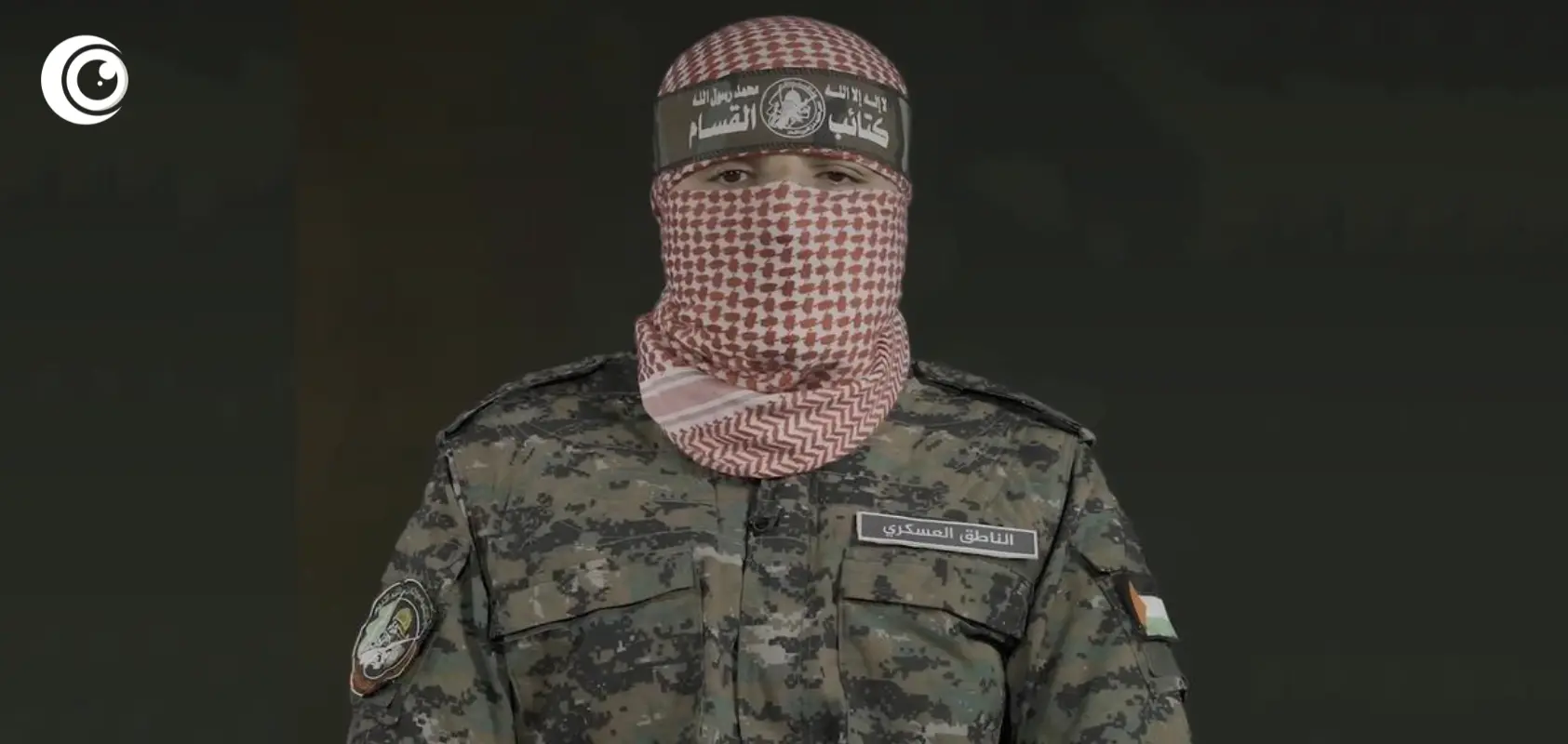
Abu Obaida, spokesperson for the Al-Qassam Brigades, issued a sharply worded statement declaring solidarity with Iran’s leadership and population amid escalating regional tensions and growing speculation about potential military action against the Islamic Republic. He warned that any attack on Iran would be regarded not as an isolated confrontation but as “an attack on our Islamic nation,” framing the issue in civilizational and collective terms rather than purely geopolitical ones.
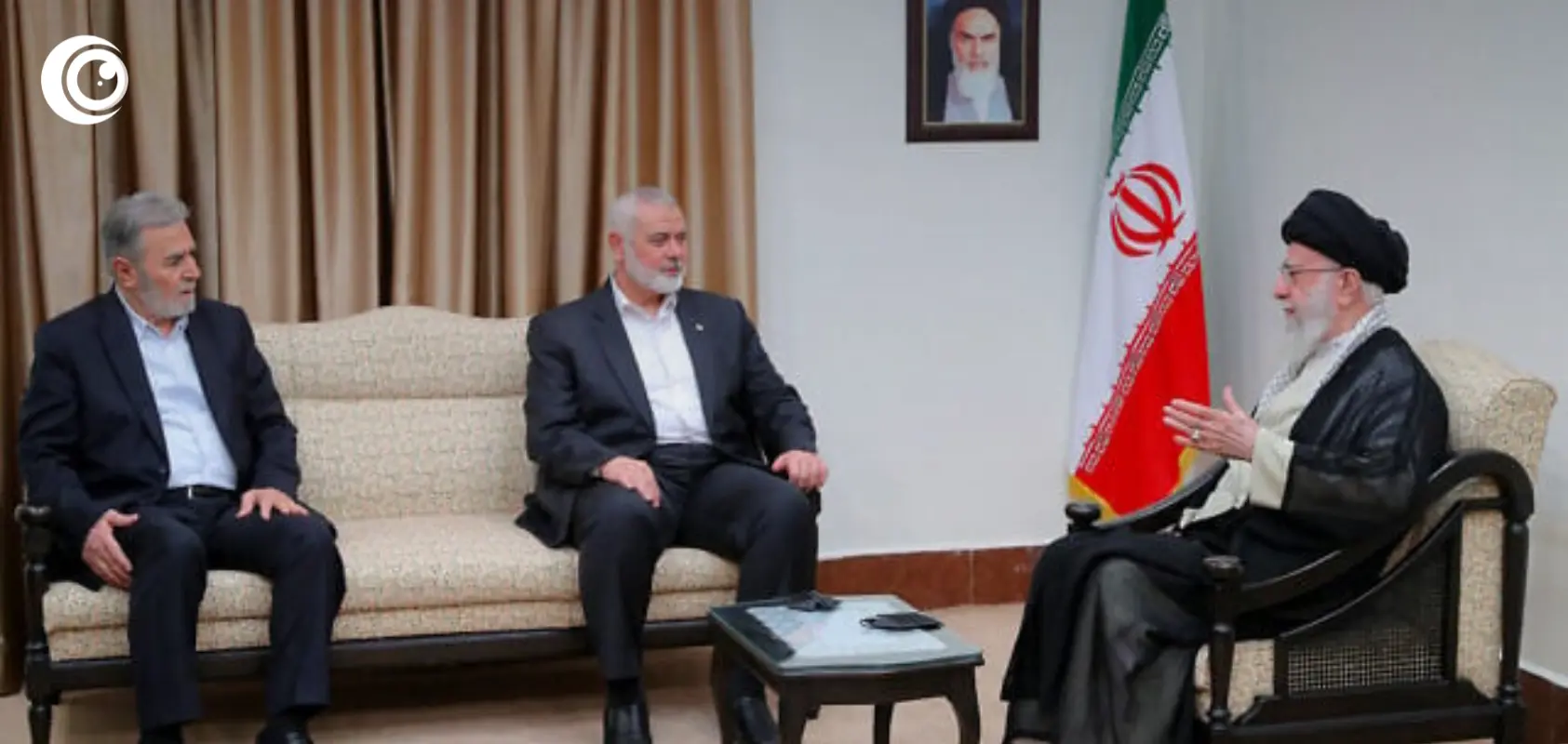
The remarks come during a period of heightened volatility across the Middle East. Israel’s ongoing war in Gaza, repeated exchanges of fire across the Lebanese and Syrian fronts, and Washington’s expanding military deployments have fueled fears that the conflict could widen. Tehran has positioned itself as a central pillar of what it calls the “Axis of Resistance,” providing political backing and, according to Western and Israeli officials, material support to armed groups confronting Israel. Iranian authorities deny direct operational control while affirming ideological alignment against occupation and foreign intervention.
In his statement, Abu Obaida described any move against Iran as a “criminal violation” of the sovereignty of a Muslim state and rejected what he characterized as efforts to dictate outcomes through force or meddle in internal affairs. The language reflects a broader narrative increasingly heard from armed movements in the region: that pressure on Tehran is inseparable from the war in Gaza and from long-standing attempts to reshape the Middle East’s political order through sanctions, isolation, and military threats.
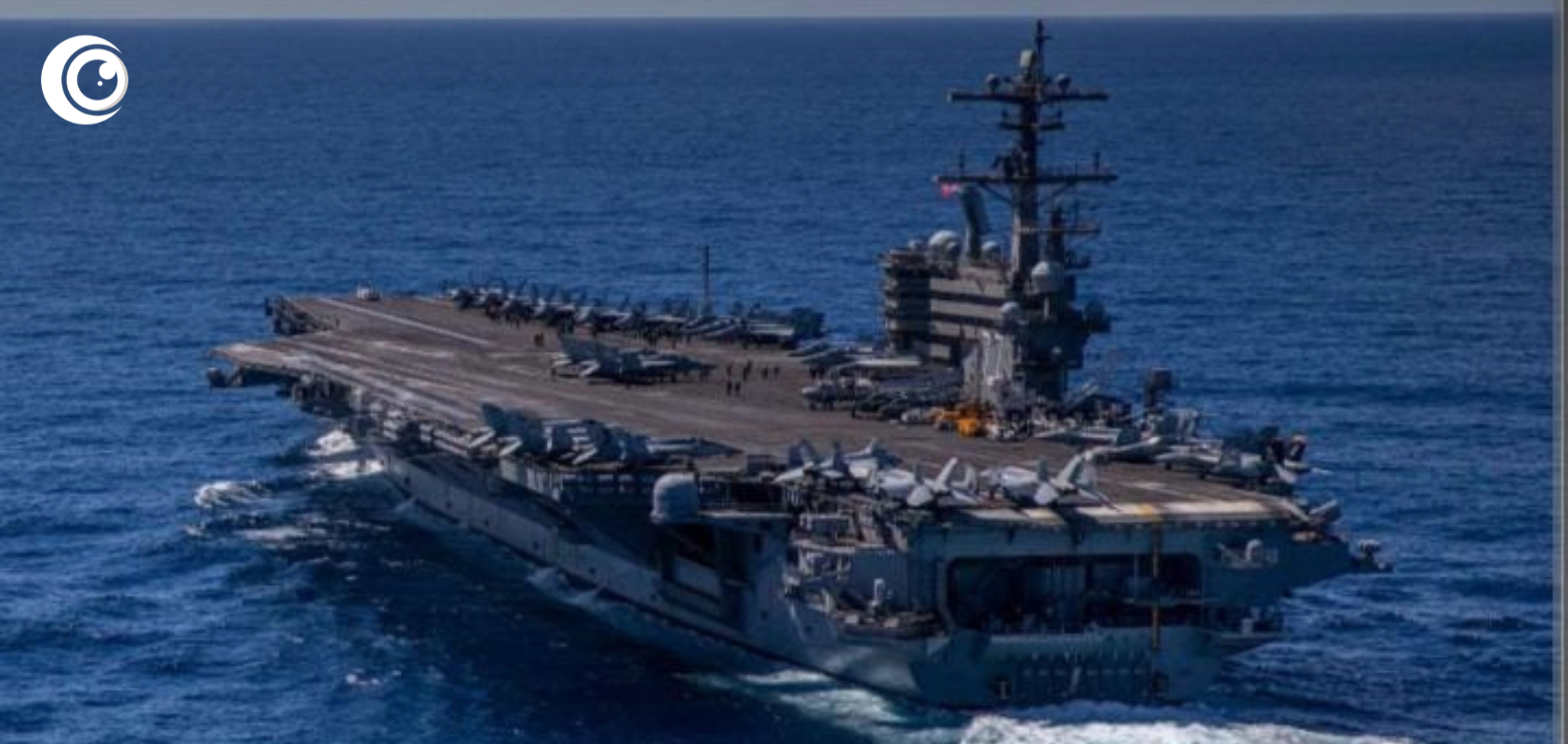
Current developments have intensified these perceptions. Israeli leaders continue to signal readiness to confront Iran directly, arguing that Tehran’s regional network poses an existential danger. The United States and the United Kingdom have reinforced naval and air assets, publicly stating that their aim is deterrence and the protection of allies. Critics, however, contend that such deployments risk normalizing perpetual escalation while providing diplomatic cover for actions that have produced catastrophic humanitarian consequences in Palestinian territories.
Strategically, Abu Obaida’s intervention suggests that any future strike on Iran could trigger responses from multiple fronts. Analysts warn that the geography of conflict might rapidly expand from Gaza and southern Lebanon to Iraq, Syria, and the Gulf drawing in state and non-state actors and threatening global energy routes. The possibility of miscalculation grows as rhetoric hardens and red lines become deliberately ambiguous.
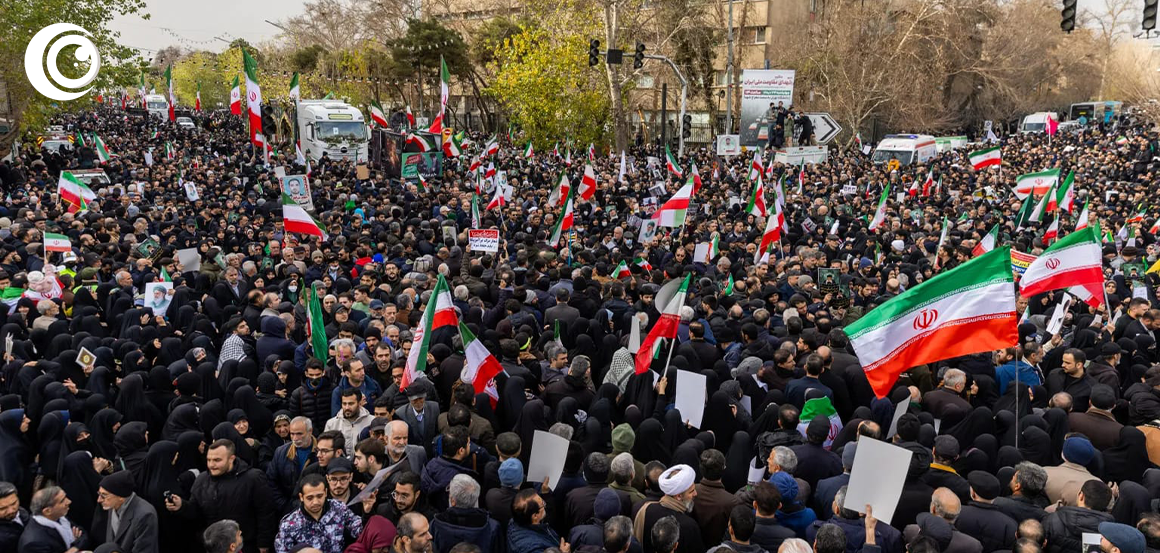
The humanitarian dimension looms just as large. International organizations have already documented immense civilian suffering in Gaza, alongside mounting concerns about displacement, infrastructure collapse, and restrictions on aid delivery. Legal scholars debate whether continued collective punishment, settlement expansion, and attacks on civilian facilities violate international humanitarian law. Similar fears would accompany any confrontation involving Iran, a country of more than 80 million people with densely populated urban centers.
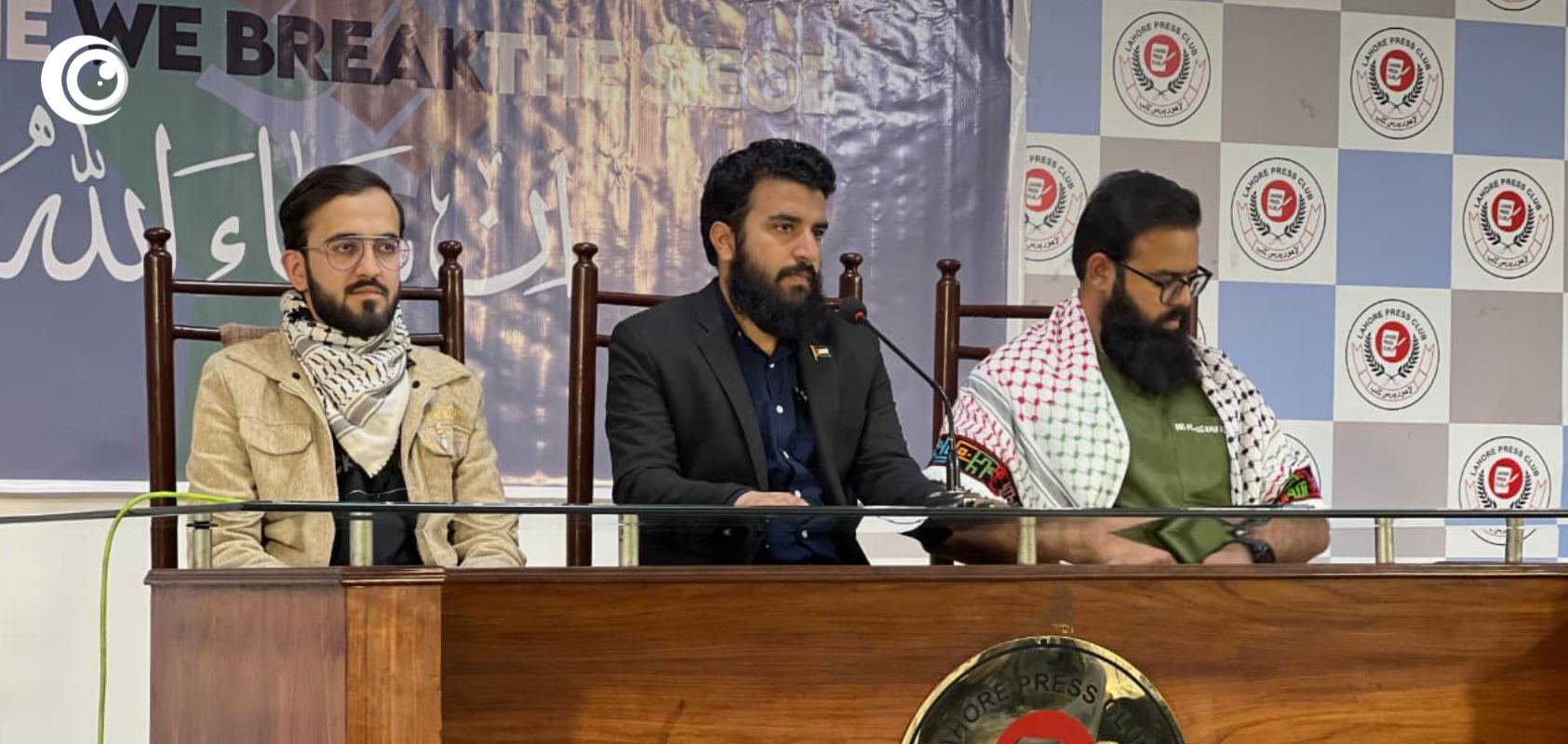
Reactions across the region have been polarized. Movements aligned with Tehran welcomed Abu Obaida’s words as a reaffirmation of unity, while Israeli and Western officials argue that such declarations amount to threats of wider war. Arab governments remain publicly cautious, balancing domestic anger over Gaza with security relationships tied to Washington.
For now, the situation remains fluid. Diplomatic channels operate quietly behind the scenes even as public messaging grows more uncompromising. Whether the latest statements serve as deterrence or become stepping stones toward a broader confrontation may depend on decisions taken far from the battlefield in the coming days.