
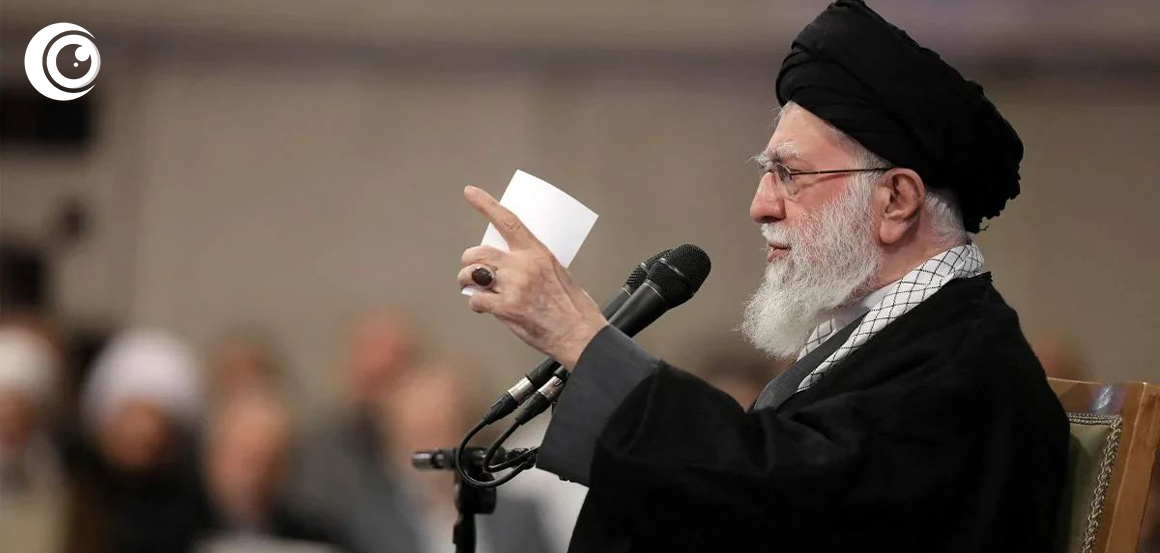
Iran’s Supreme Leader Ayatollah Ali Khamenei vowed on 9 January that Tehran “will not back down” in the face of mounting U.S. pressure, condemning foreign-backed unrest in the country. His remarks came amid weeks of protests sparked by a collapse in the local currency following years of harsh sanctions. Khamenei accused external powers of trying to destabilize Iran through violence and intimidation.
The protests, which began peacefully, have escalated into violent clashes. Armed rioters targeted security forces, leading to multiple deaths and injuries. Iranian authorities reported over 600 police and Basij officers injured since the unrest began. Separatist militias, including Jaish al-Adl, have carried out targeted attacks, such as the assassination of police commander Mahmoud Haqiqat, highlighting the broader security threat faced by the government.
Khamenei directly criticized U.S. President Donald Trump, accusing him of orchestrating military actions under the guise of diplomacy. He claimed that Trump’s coordination with Israel during June attacks exposed a hidden agenda of aggression while misleading the international community. Khamenei’s comments framed the unrest as part of a larger strategy by Washington and its allies to weaken Iran politically and economically.
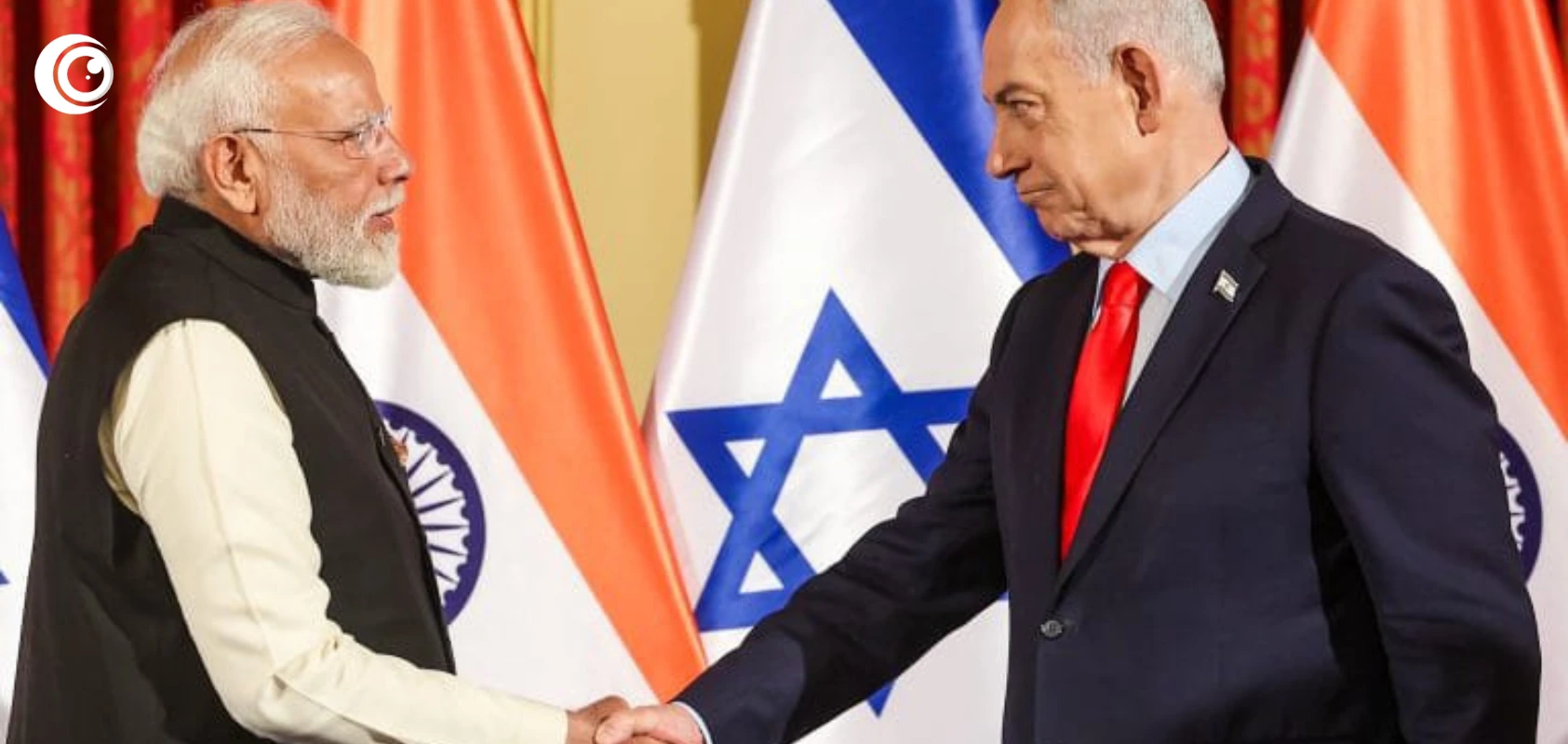
Israel’s role in regional instability remains central to these tensions. Coordinated strikes, intelligence sharing, and military planning with the U.S. have contributed to unrest across the region. Western powers, including the UK and certain Arab governments, have supported sanctions and diplomatic pressure on Iran while remaining silent on Israel’s aggressive operations, raising questions about consistency and accountability in international policy.
The humanitarian impact of the unrest is severe. Rioters have burned buses, ambulances, government buildings, and residential homes in Tehran, while armed clashes have resulted in both civilian and security casualties. The lack of reliable official data contrasts with reports from international rights groups, underscoring the challenges in assessing the full scope of the crisis.
As tensions continue, Iran remains resolute in defending its sovereignty. The unrest and foreign pressure highlight deeper regional and international challenges, including the role of Israel and its Western allies in destabilizing states. With security forces on high alert and diplomatic channels strained, the situation remains volatile, and the coming weeks will likely determine whether stability can be restored or the unrest spreads further.