
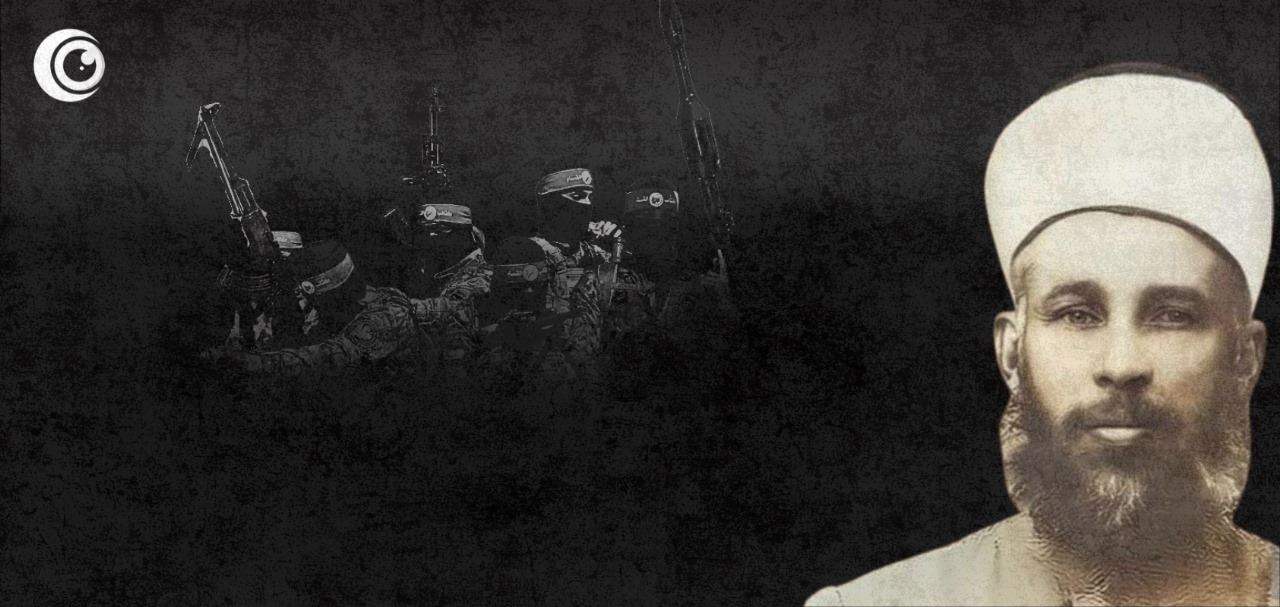



Israel’s National Security Minister, Itamar Ben-Gvir, has sparked controversy with his announcement to remove the historic grave of Izz Al-Din Al-Qassam, a revered Palestinian resistance leader, located in Haifa’s Balad al-Sheikh cemetery. The move has intensified debates over historical preservation and the ongoing Israeli-Palestinian conflict. Al-Qassam’s legacy holds significant cultural and symbolic weight for Palestinians. The plan has drawn immediate backlash from various groups. Tensions are running high amid mixed reactions.
Izz Al-Din Al-Qassam was a key figure in the 1930s Arab revolt against British and Zionist forces in Palestine. His legacy is a symbol of resistance for Palestinians, and his name is associated with Hamas’s military wing, the Izz Al-Din Al-Qassam Brigades. Al-Qassam’s role in Palestinian history is widely acknowledged. The cemetery in Haifa is a site of cultural importance. Efforts to alter it have historical implications.
Ben-Gvir’s plan has been met with sharp criticism, with many viewing it as an attempt to erase Palestinian history and identity. The minister’s actions align with a broader pattern of tensions over sacred sites, including recent vandalism of the Bab Al-Rahma Cemetery near Al-Aqsa Mosque. No official reason has been given for the removal. Legal and ethical concerns are being raised about the move. Protests are expected to escalate.
The move risks escalating regional tensions and drawing international condemnation. The Organization of Islamic Cooperation (OIC) and Arab League have previously denounced Ben-Gvir’s provocative statements on Al-Aqsa Mosque, highlighting concerns over the protection of Palestinian heritage. Neighboring countries are watching the situation closely. It could complicate ongoing diplomatic efforts. Wider implications for the peace process are a concern.
Critics argue the demolition could further inflame the Israeli-Palestinian conflict, impacting civilians and raising questions about the protection of cultural sites under international law. The lack of safe spaces for Palestinians is a growing worry. Human rights groups stress the need for restraint. Civilian casualties and displacement are feared. Appeals for protecting heritage sites are mounting.
The plan has been widely condemned, with voices in the Arab and Christian world expressing fears of escalating violence and erasure of Palestinian memory. “The struggle is not only for the land, but also for memory and history,” stated an editorial in Abna24. Global actors urge de-escalation and dialogue. The UN has not issued an official statement yet. The situation remains tense, with calls for international intervention.