
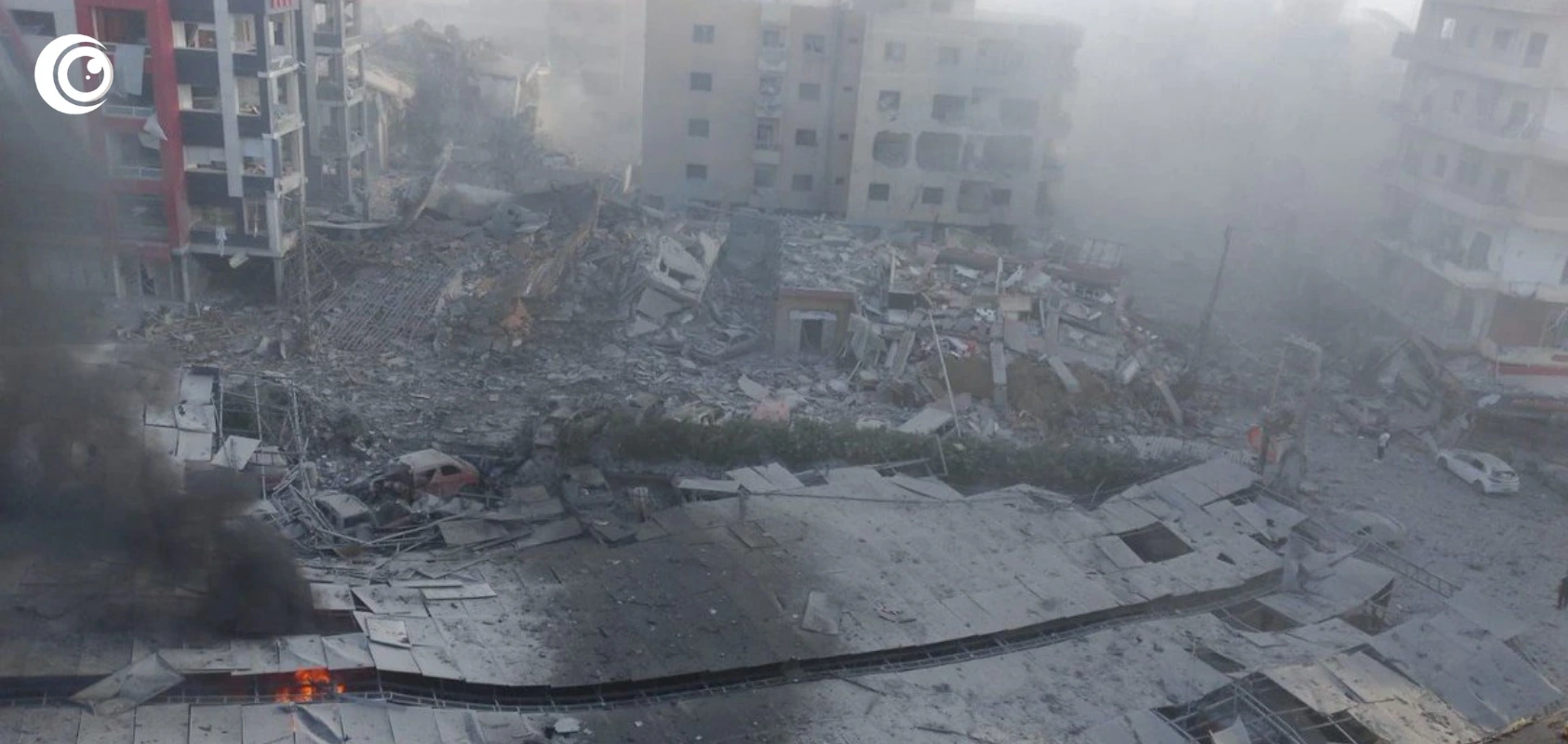

Israeli occupation forces struck the vicinity of Jabal Amel Hospital in Tyre, south Lebanon, leaving multiple martyrs, dozens of civilian casualties, and extensive rubble across surrounding streets. The strike caused adjacent buildings to collapse, severely damaged critical access roads, and disrupted emergency services at one of the last functioning medical centers in southern Lebanon. The attack occurred amid intensified hostilities along the border zone.
Israeli officials frame the Tyre strike as “targeting Hezbollah infrastructure” under military necessity. Human rights organizations and Lebanese medical authorities describe it as pressure on civilian medical zones that reduces Lebanon’s healthcare capacity. They note this approach mirrors Gaza, where 36 hospitals were rendered non-functional within months under similar justifications.
At the strike site in Tyre, large craters formed, adjacent residential structures were completely destroyed, and vital ambulance routes to Jabal Amel Hospital were blocked. Local reports from hospital staff indicate patients had to be rerouted and emergency admissions severely limited due to structural damage and flying debris. The destruction and loss of life cut off trauma access for Tyre and surrounding villages during a period of peak displacement.
The impact shows direct continuity with tactics observed on other fronts. In Gaza, international agencies reported mass civilian casualties and flattened neighborhoods from high-yield munitions. In Lebanon, the Tyre strike now reduces hospital vicinities to debris, leaving dozens martyred or injured and obstructing trauma care for over 1.2 million displaced persons according to UN estimates.
With US backing, Israel has conducted strikes on facilities protected under international humanitarian law. Legal experts and UN officials state the Tyre attack applies patterns observed in Gaza to Lebanon. Continued operations of this nature establish a precedent for the normalization of military strikes on critical civilian infrastructure and medical perimeters during active conflicts.