

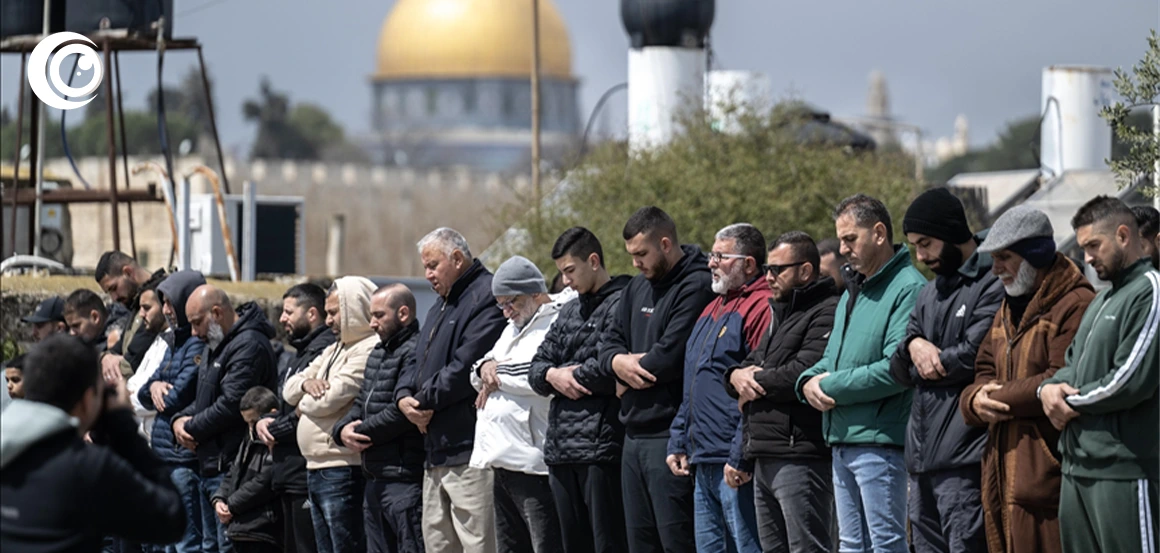

Israeli occupation forces on Monday detained Sheikh Mohammed al-Abbasi, an imam of Al-Aqsa Mosque, from within the mosque’s courtyards without presenting formal charges or public justification. The arrest coincided with the start of Ramadan, a period during which hundreds of thousands of Palestinians traditionally gather for prayer at Islam’s third holiest site. Simultaneously, Israeli authorities announced sweeping new entry restrictions that drastically curtail access for worshippers from the occupied West Bank.
Under the new measures, only 10,000 Palestinians limited to men over 50 and children under 12 will be permitted to enter the compound, and solely on Fridays, subject to prior approval from the Israeli military. For most Palestinians, this transforms a fundamental act of worship into a tightly controlled military-regulated process. Sheikh Ikrima Sabri, the former Grand Mufti of Jerusalem who is himself banned from the mosque, stated that the restrictions reflect a deliberate policy aimed at obstructing Muslim access during Ramadan and tightening control over the site’s religious administration.
Al-Aqsa holds profound religious and political significance. It is the first qibla in Islam and the site associated with the Prophet Muhammad’s Night Journey. For decades, an internationally recognized arrangement maintained its status as an exclusively Islamic holy site administered by the Islamic Waqf. Since Israel’s occupation of East Jerusalem in 1967, however, Palestinians and religious authorities argue that this status quo has been incrementally eroded through intensified security measures, expanded settler visits under armed escort, and increasing limitations on Muslim entry particularly during periods of heightened religious observance.
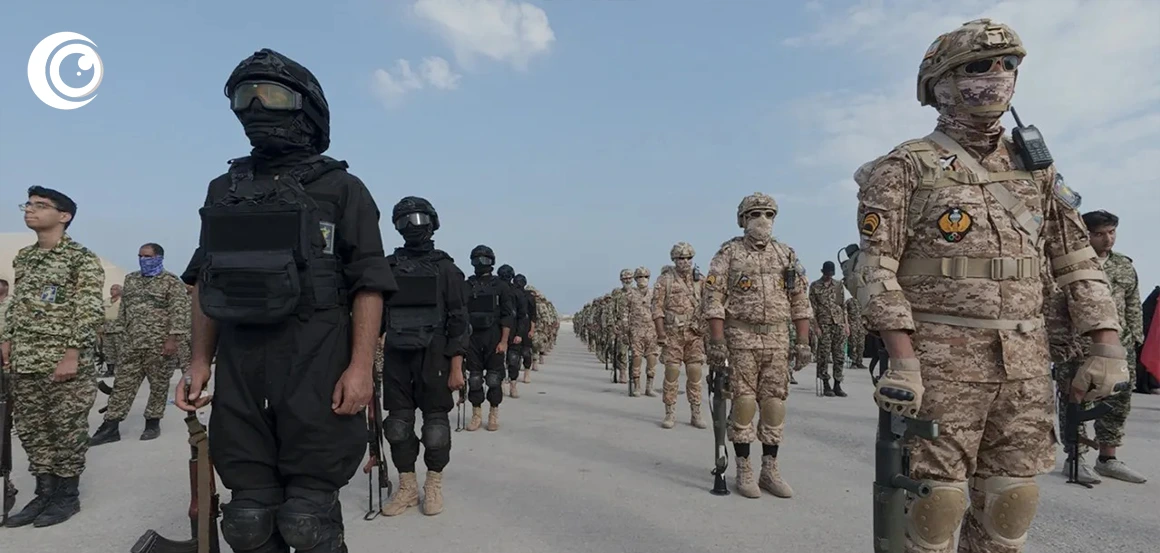
The detention of an imam during Ramadan and the imposition of age-based restrictions raise broader legal and humanitarian concerns. International humanitarian law governing occupied territories prohibits collective punishment and obligates occupying powers to ensure freedom of religious practice. Critics contend that blanket limitations affecting tens of thousands of civilians without individualized legal process amount to punitive administrative measures rather than narrowly tailored security responses. The visible presence of armed forces inside a sacred compound further deepens perceptions of militarization of worship.
Regionally and internationally, the developments place renewed scrutiny on governments that maintain close diplomatic and military partnerships with Israel. The United States and the United Kingdom continue to provide political backing and defense cooperation, while several Arab states pursue normalization agreements and security coordination. Human rights advocates argue that continued support without conditional accountability risks enabling policies that restrict civilian religious life in occupied territory, undermining stated commitments to freedom of worship and human dignity.
As Ramadan unfolds, tensions surrounding Al-Aqsa remain high. The combination of clerical detentions, movement restrictions, and long-standing grievances over sovereignty in East Jerusalem creates a volatile environment with potential ramifications far beyond the city. Whether diplomatic pressure emerges or existing alliances prevail will shape not only access to one of Islam’s holiest sites this month, but the broader trajectory of control and resistance in occupied Jerusalem.