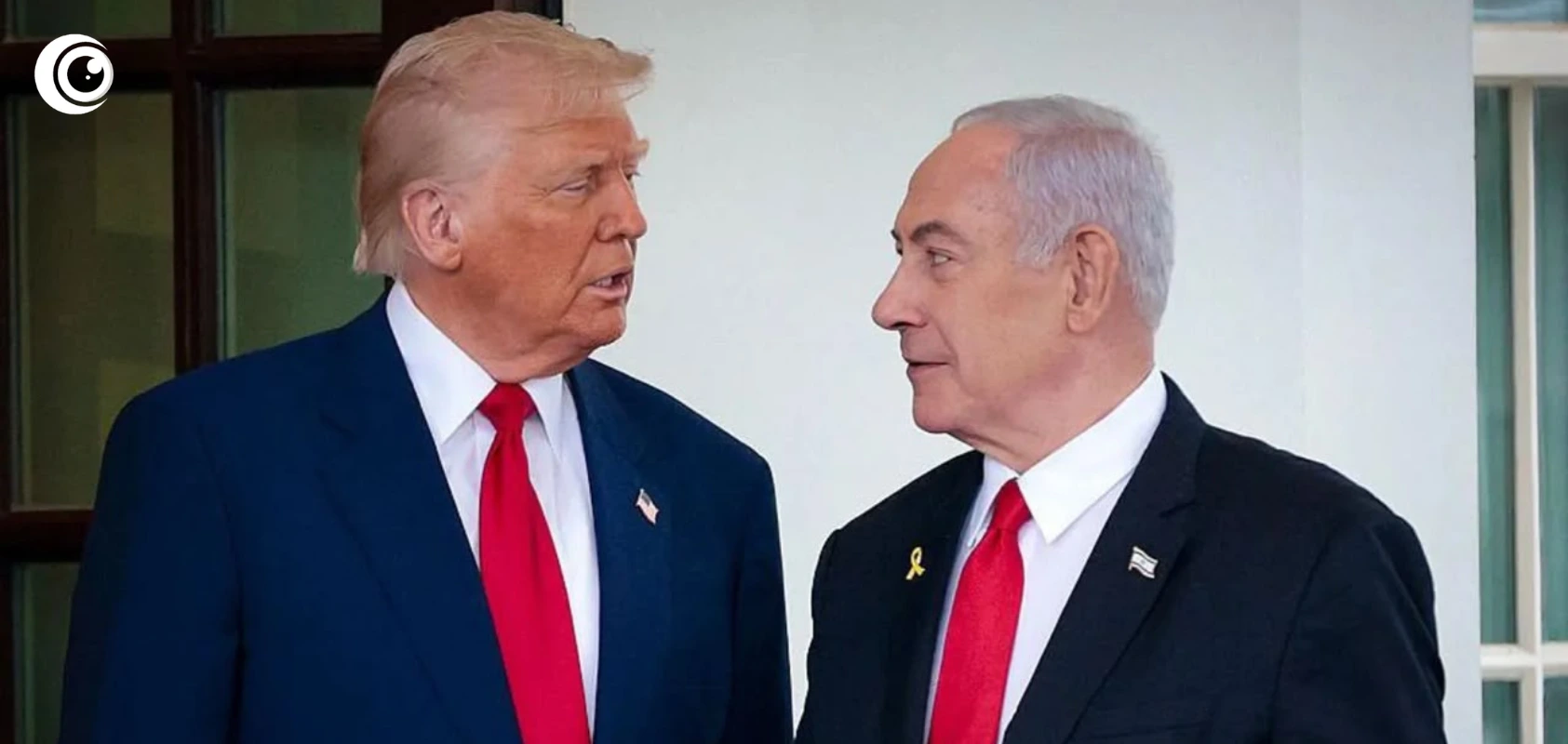
The Israeli occupation’s Prime Minister Benjamin Netanyahu has instructed the Israeli occupation’s Home Front Command and emergency agencies to prepare for a potential war with Iran, as security bodies move to maximum alert. The directive comes amid rising speculation that the United States could launch a large-scale military strike on Iran in the coming days, following stalled negotiations and escalating rhetoric.
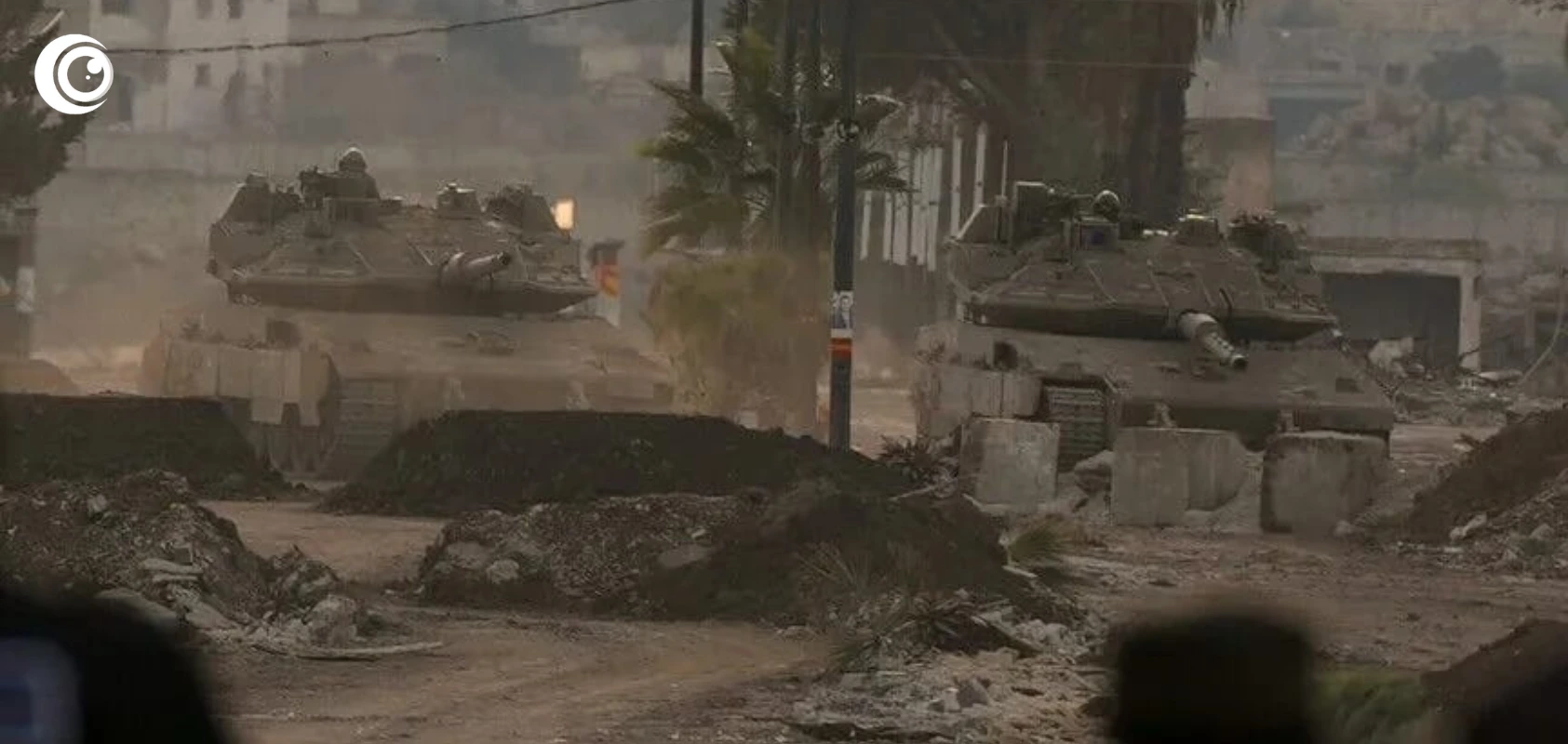
Security consultations within the Israeli occupation reportedly suggest that timelines for escalation are shrinking rapidly. What was previously described in terms of weeks is now being measured in days. Officials believe that in the event of a U.S. strike, Iran would likely respond with missile attacks targeting territories under occupation, regardless of whether the Israeli occupation forces directly participate in the operation.
The background to this escalation lies in longstanding hostility between the Israeli occupation and Iran, particularly over Tehran’s nuclear program and its regional influence. The Israeli occupation has consistently portrayed Iran as its primary strategic adversary and has pushed for harsher international action, including military options, against Tehran. While Washington frames the crisis around nuclear compliance and regional security, the Israeli occupation has for years sought to dismantle Iran’s military capabilities and weaken, if not fundamentally alter, its political system.
Current developments suggest that the Israeli occupation is preparing for the consequences of a U.S.-led attack rather than independently initiating one. American naval deployments to the region, including aircraft carrier strike groups and additional air assets, signal that decisive military capability rests with Washington. Yet analysts argue that persistent lobbying, intelligence briefings, and political pressure from the Israeli occupation have significantly shaped the American posture. In practical terms, the confrontation is primarily between Iran and the Israeli occupation, but it is the United States that possesses the overwhelming force required to execute a large-scale strike.
Strategically, the situation reveals a clear dynamic: the Israeli occupation views Iran as its central strategic rival and seeks to curb its military reach, potentially encouraging regime pressure or transformation. The United States, geographically distant from the immediate confrontation, nevertheless stands on the brink of another Middle Eastern conflict aligned closely with the security priorities of the Israeli occupation.
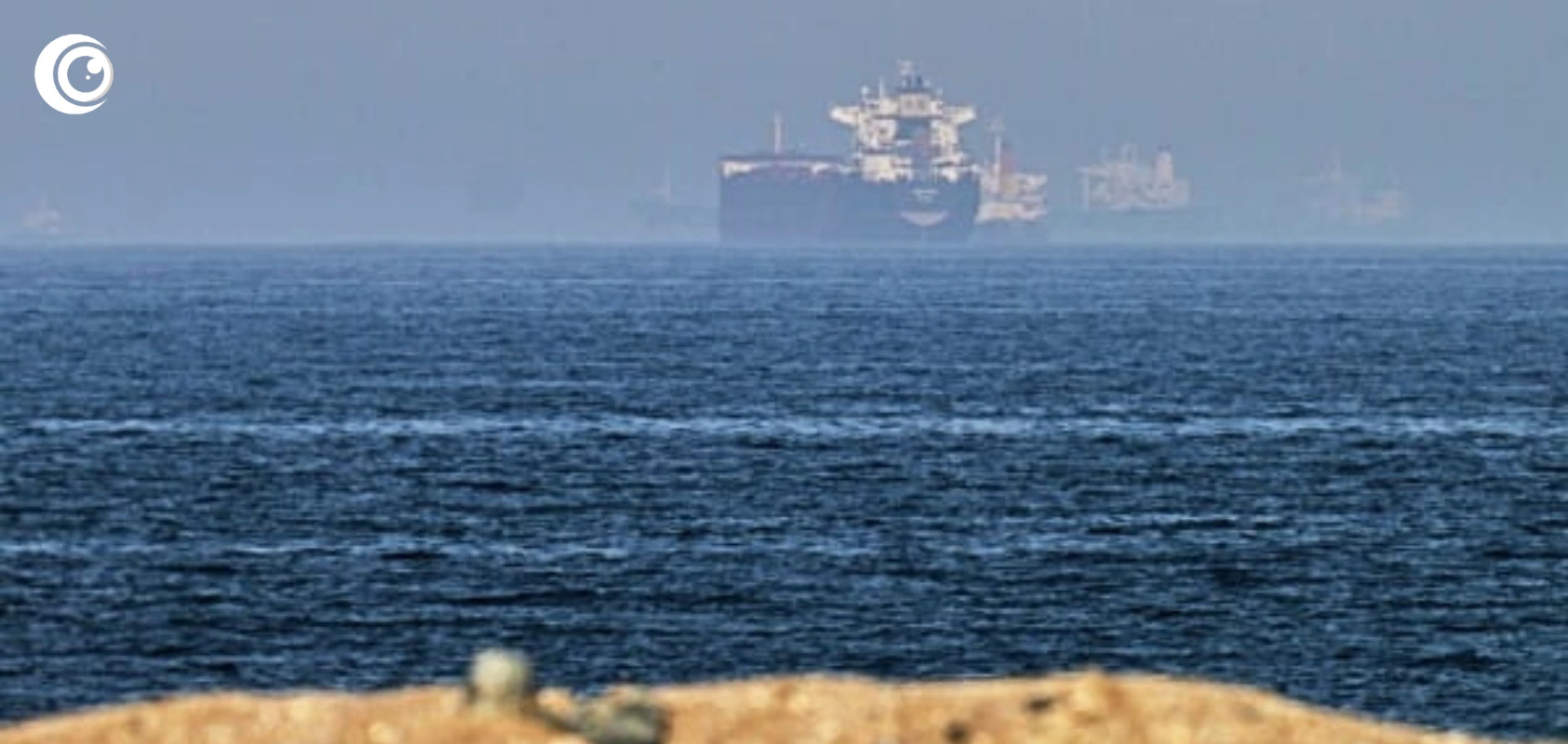
The humanitarian implications of such a conflict would be severe. A direct confrontation could destabilize the region, disrupt global energy routes, and expose civilian populations to missile exchanges and broader escalation. History shows that once such conflicts begin, containment becomes difficult and civilian costs rise rapidly.
As tensions intensify, the coming days will determine whether military action materializes or whether diplomacy regains ground. What remains clear is that the Israeli occupation views Iran as its principal strategic challenge and appears prepared for confrontation, while the United States holds the decisive military leverage over whether that confrontation becomes a full-scale war.