Israeli reportedly occupies palestinian homes turning them into military stations to shield the soldiers from Irani missile strikes
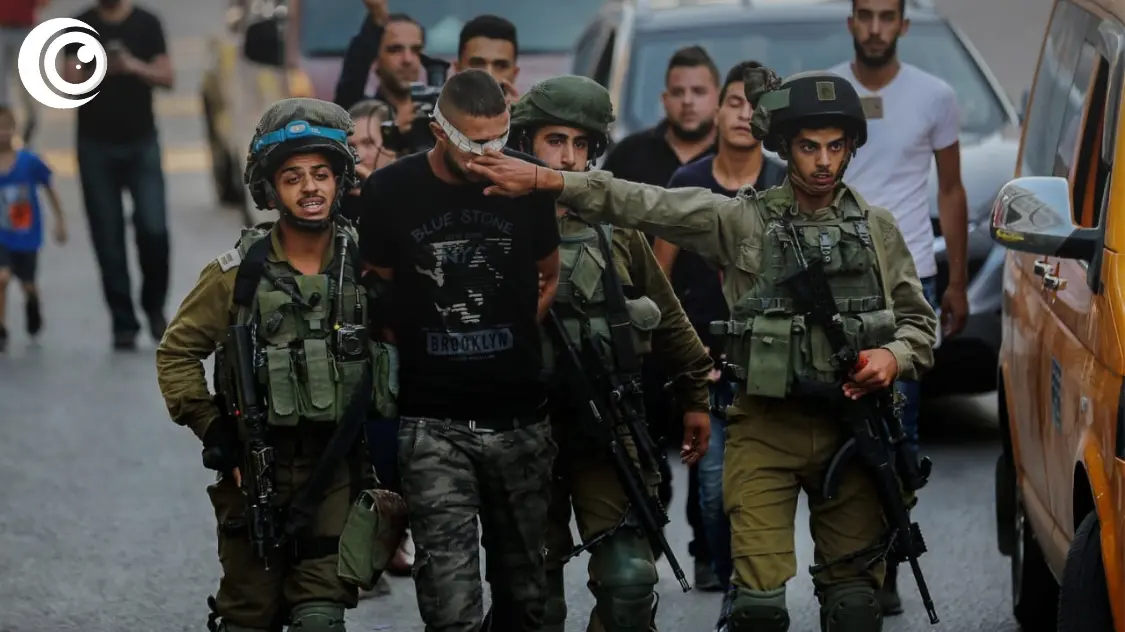
In recent developments across the occupied West Bank, the Israeli military has reportedly seized dozens of Palestinian homes, converting them into fortified military outposts. This tactic—criticized by analysts, human rights organizations, and international legal experts—reflects a disturbing pattern in Israel’s military strategy: the systemic use of Palestinian civilians and their homes as shields in conflict zones.
The practice of commandeering civilian property has intensified following Israel’s latest military escalation against Iran. In what appears to be a preemptive defensive maneuver, Israeli forces have turned residential neighborhoods in Palestinian towns into strategic military positions, allegedly to protect their troops from potential retaliatory strikes.
Homes Turned Into Outposts
Eyewitnesses and Palestinian officials report that in cities like Hebron, Jenin, Ramallah, Qalqilya, and smaller villages such as Rummana, Anin, and Jalboun, the Israeli military forcibly evicted families—many with young children—from their homes. In Hebron’s Tel Rumeida neighborhood, more than 50 members of the Shabaneh family were expelled. According to Abdel-Jabbar Shabaneh, soldiers used force to drive out the residents, assaulted family members when they attempted to retrieve personal belongings, and left the house ransacked.
“When we returned, our home was destroyed from the inside,” Shabaneh told Middle East Eye. “Furniture was broken, photos were torn from the walls, and everything of value had been either stolen or destroyed.”
A similar scenario unfolded in Birzeit, where a three-storey home was converted into what locals describe as a military headquarters. In each case, the Israeli army occupied civilian infrastructure without consent and often without notice, replacing families with armed personnel and equipment.
A Violation of International Law?
International humanitarian law, including the Fourth Geneva Convention, explicitly prohibits the use of protected civilian persons and property for military purposes. Article 28 of the Convention clearly states: “The presence of a protected person may not be used to render certain points or areas immune from military operations.” Human rights groups argue that Israel’s strategy violates this principle by intentionally placing military assets within civilian environments, effectively using civilians and their homes as shields against enemy retaliation.
Critics assert that these actions are not isolated or reactionary but part of a larger, well-established policy. During past operations in Gaza and Lebanon, similar tactics were documented, where Israeli forces positioned themselves in or near civilian infrastructure, including schools, hospitals, and residential homes. In each case, the underlying goal appeared to be the same: to deter enemy fire by embedding military assets within civilian areas.
The Strategy Behind the Shield
Analysts suggest that this latest wave of home seizures is a direct response to the growing threat of missile attacks from Iranian-backed forces. By embedding military personnel in Palestinian neighborhoods, Israel may be seeking to deter Iranian retaliation by raising the stakes—any strike risks killing civilians and sparking international outrage. While this may offer strategic military protection, it comes at a high moral and legal cost.
Furthermore, the tactic serves a dual function: not only does it shield Israeli forces, but it also exerts further psychological pressure on the Palestinian population. Displacing families, destroying homes, and converting civilian spaces into instruments of war deepens the already entrenched occupation and reinforces the imbalance of power between Israel and the Palestinians.
A Pattern of Impunity
Despite widespread condemnation, there has been little accountability for these actions. Israeli officials have remained silent on the recent reports, and previous investigations into similar incidents have yielded minimal consequences. Rights groups such as B’Tselem, Amnesty International, and Human Rights Watch have repeatedly documented the Israeli military’s use of human shields and called for international oversight.
In the absence of such accountability, Palestinians continue to bear the burden of an occupation that increasingly blurs the line between civilian and combatant, home and battlefield.
Conclusion
The Israeli military’s reported seizure of Palestinian homes across the West Bank is not an isolated wartime necessity—it reflects a deliberate and systemic strategy that uses Palestinian civilians as both literal and symbolic shields. As international scrutiny grows, so too does the urgency for action. Unless the global community enforces the principles of international law, the rights and safety of Palestinian civilians will remain at the mercy of a military apparatus that treats them as expendable pawns in a larger geopolitical chess game.