
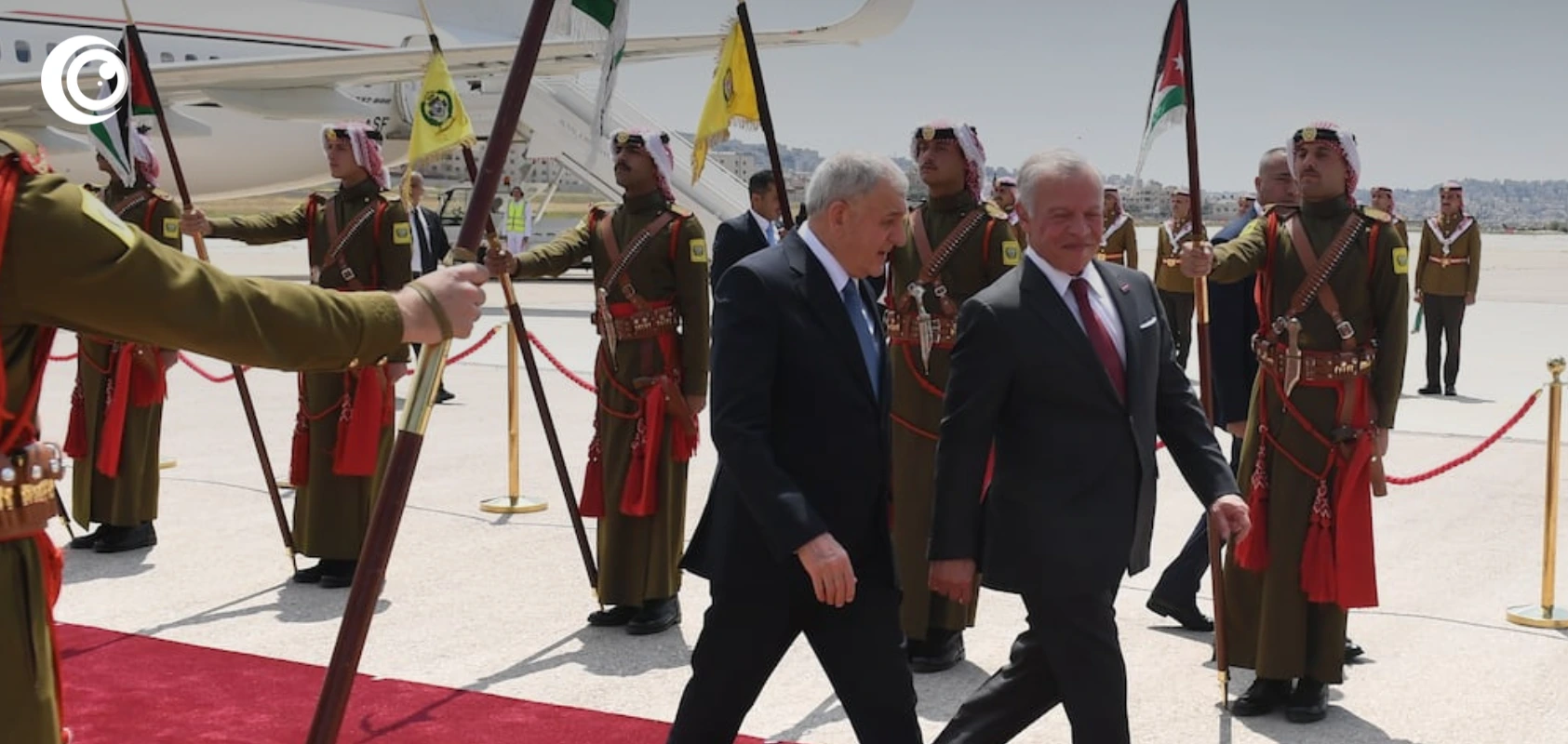
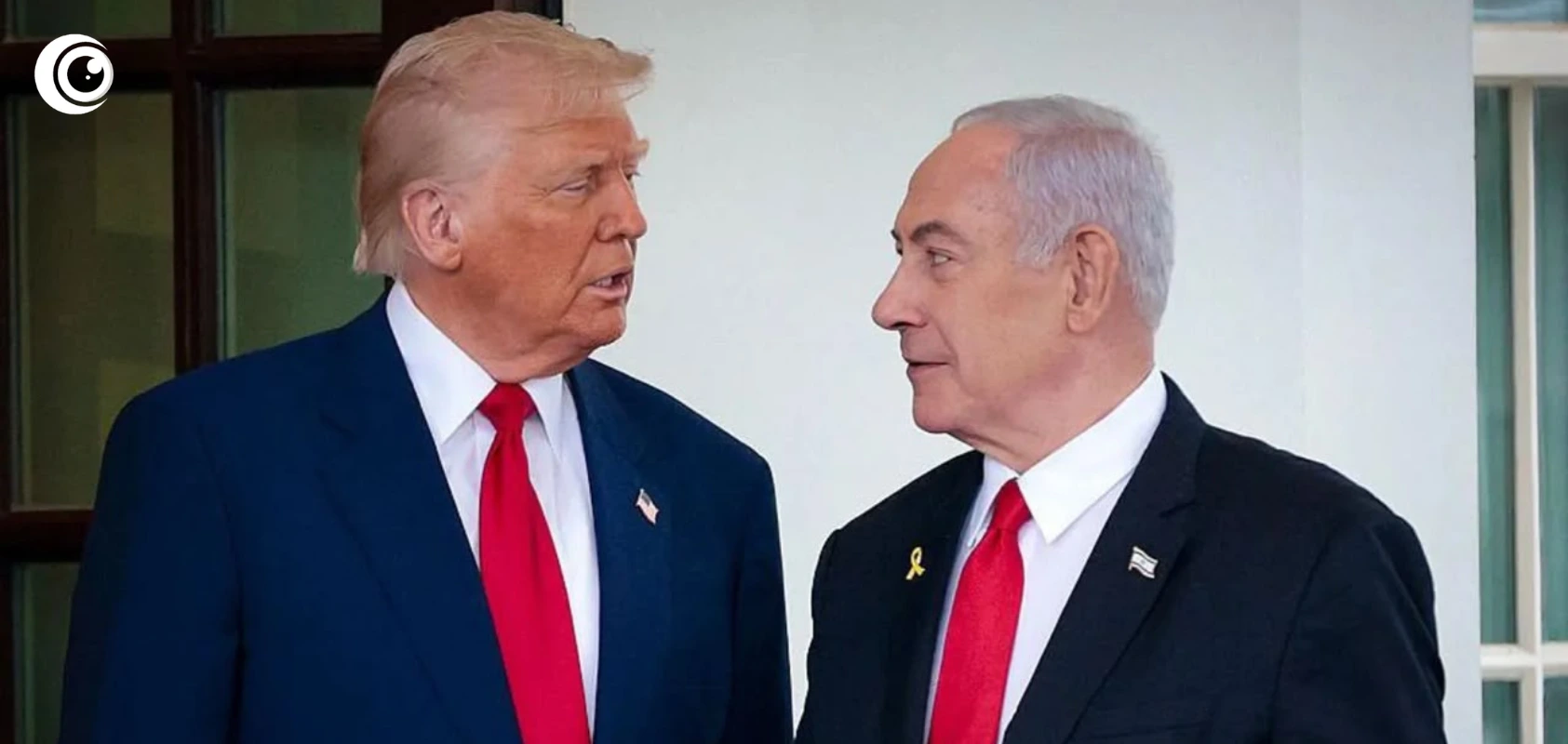

Israeli media reports indicate that Jordan, the United Arab Emirates, and the United Kingdom may provide logistical and intelligence support to the United States in the event of a military strike on Iran, a development that signals a dangerous escalation in an already volatile region. According to Israel Hayom, figures close to Donald Trump are advocating a “strong attack” on Iran, presenting it as a strategic necessity, while Israel intensifies diplomatic and military coordination to ensure regional buy-in for a confrontation that would likely extend far beyond Iran’s borders.
This push comes amid Israel’s sustained effort to reframe itself as the region’s primary security concern-setter, diverting attention from its own conduct in Gaza and the occupied Palestinian territories. As international legal experts and rights groups scrutinize Israel over mass civilian casualties, siege tactics, and destruction of essential infrastructure, Tel Aviv has sought to elevate Iran as the overriding threat. Critics argue this strategy effectively shifts the regional agenda, allowing Israel to rally allies around “deterrence” while avoiding accountability for actions widely viewed as violations of international humanitarian law.
The report claims that Jordan, the UAE, and Britain could share intelligence, assist with logistics, and potentially help intercept Iranian missiles or drones in the event of retaliation, ostensibly to protect Israel, U.S. forces, and Gulf energy assets. What is largely absent from these calculations is the risk to civilian populations across the Middle East. Arab diplomats and Gulf officials have warned that any strike would invite retaliation that could engulf neighboring states, turning them into battlegrounds despite having no direct stake in initiating hostilities.
Strategically, this alignment underscores how Israel has succeeded in exporting the risks of its confrontational posture to regional partners. By embedding neighboring states into air defense and intelligence frameworks centered on Israeli security, Tel Aviv reduces its own exposure while increasing theirs. From an Islamic ethical perspective, this raises serious concerns: Islamic principles emphasize justice, restraint, and the protection of innocent life, values that clash with participation direct or indirect in preemptive warfare that risks widespread harm and instability.
The humanitarian implications of a U.S.-Israeli strike on Iran would be profound. Even a limited attack would likely disrupt civilian life, threaten shipping lanes, and destabilize economies already strained by conflict. For Muslim-majority states facilitating such operations, the contradiction is stark. Supporting military escalation contradicts core Islamic teachings that prohibit collective punishment and urge the prevention of fitna chaos and bloodshed especially when diplomatic avenues remain available.
As military coordination deepens, with senior U.S. and Israeli commanders integrating intelligence and defense systems, the region stands at a crossroads. Some states, including Saudi Arabia, Oman, and Qatar, have reportedly urged restraint, aware of the catastrophic consequences of escalation. Whether Jordan, the UAE, and Western partners choose de-escalation or continue aligning with a strategy driven by Israeli pressure and U.S. power politics will shape not only regional security, but how history judges those who enabled aggression over justice and human dignity.