
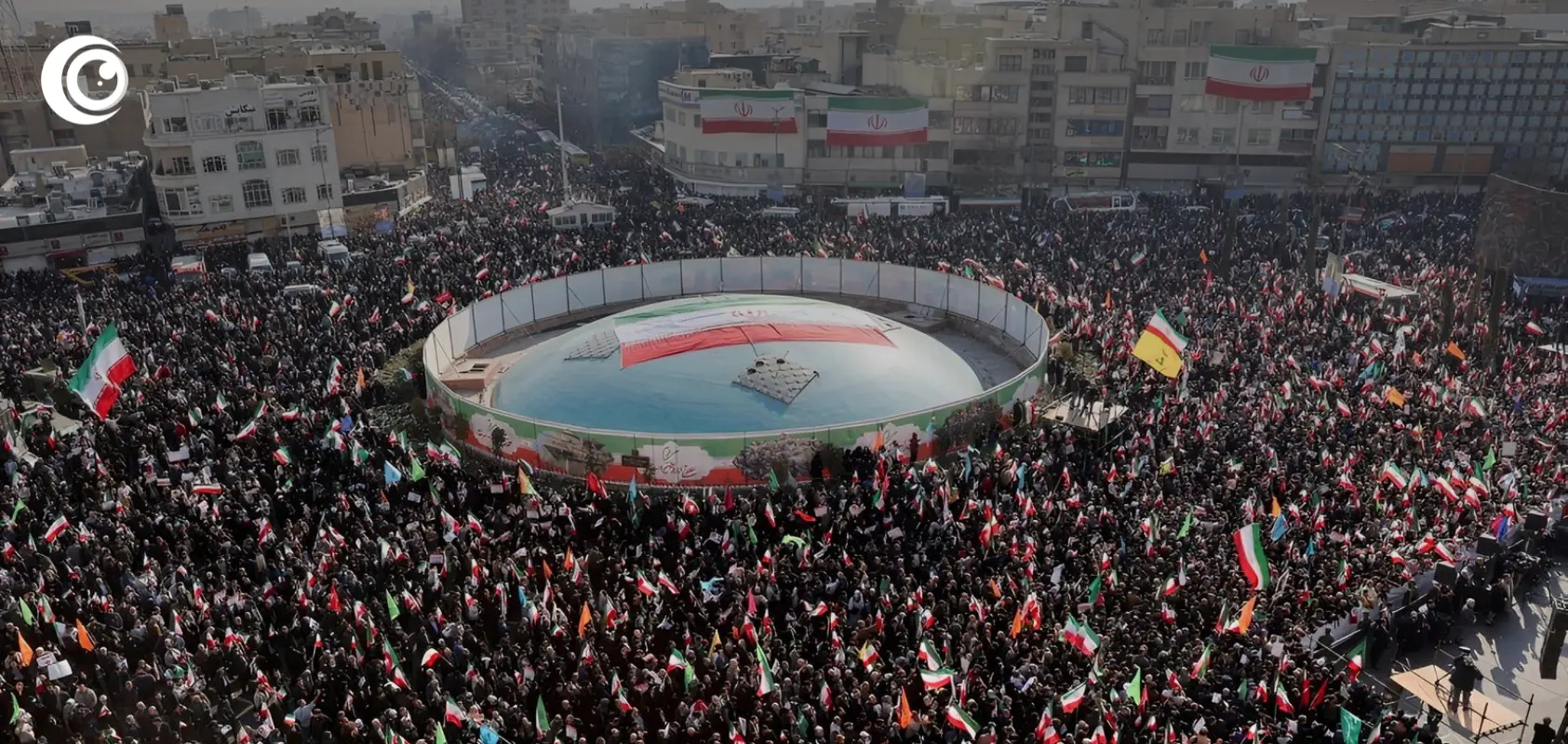
Millions of Iranians took to the streets across Tehran, Isfahan, Mashhad, Shiraz, Tabriz, and other major cities over the past two days in large-scale marches supporting the Islamic Republic, according to Iranian state and local broadcasters. The demonstrations, described by organizers as nationwide and coordinated, were framed as a rejection of foreign interference and internal destabilization efforts. Senior officials, including President Masoud Pezeshkian and Foreign Minister Abbas Aragchi, were present at several rallies, underscoring the state’s endorsement of the mobilization and projecting an image of political continuity amid unrest.
These marches followed more than two weeks of protests linked to economic hardship, inflation, and sanctions-related pressure. While anti-government demonstrations have persisted in some areas, the scale of the pro-government turnout shifted the domestic balance of visibility. Participants called on authorities to address economic grievances while forcefully opposing what they described as externally backed attempts to exploit social strain. The message emphasized national unity and sovereignty, arguing that reform demands should not be instrumentalized by foreign actors seeking leverage over Iran’s political direction.
Iran’s current crisis is inseparable from sustained pressure applied by the United States and its allies, with Israel playing a prominent role in advocating escalation. Decades of sanctions, financial isolation, cyber operations, and intelligence activity have targeted Iran’s economy and infrastructure, often with indirect but severe consequences for civilians. Critics contend that these measures violate core principles of non-interference and collective punishment, while doing little to advance stability. Israel’s repeated calls for confrontation and regime change have further entrenched hostility and narrowed diplomatic space.
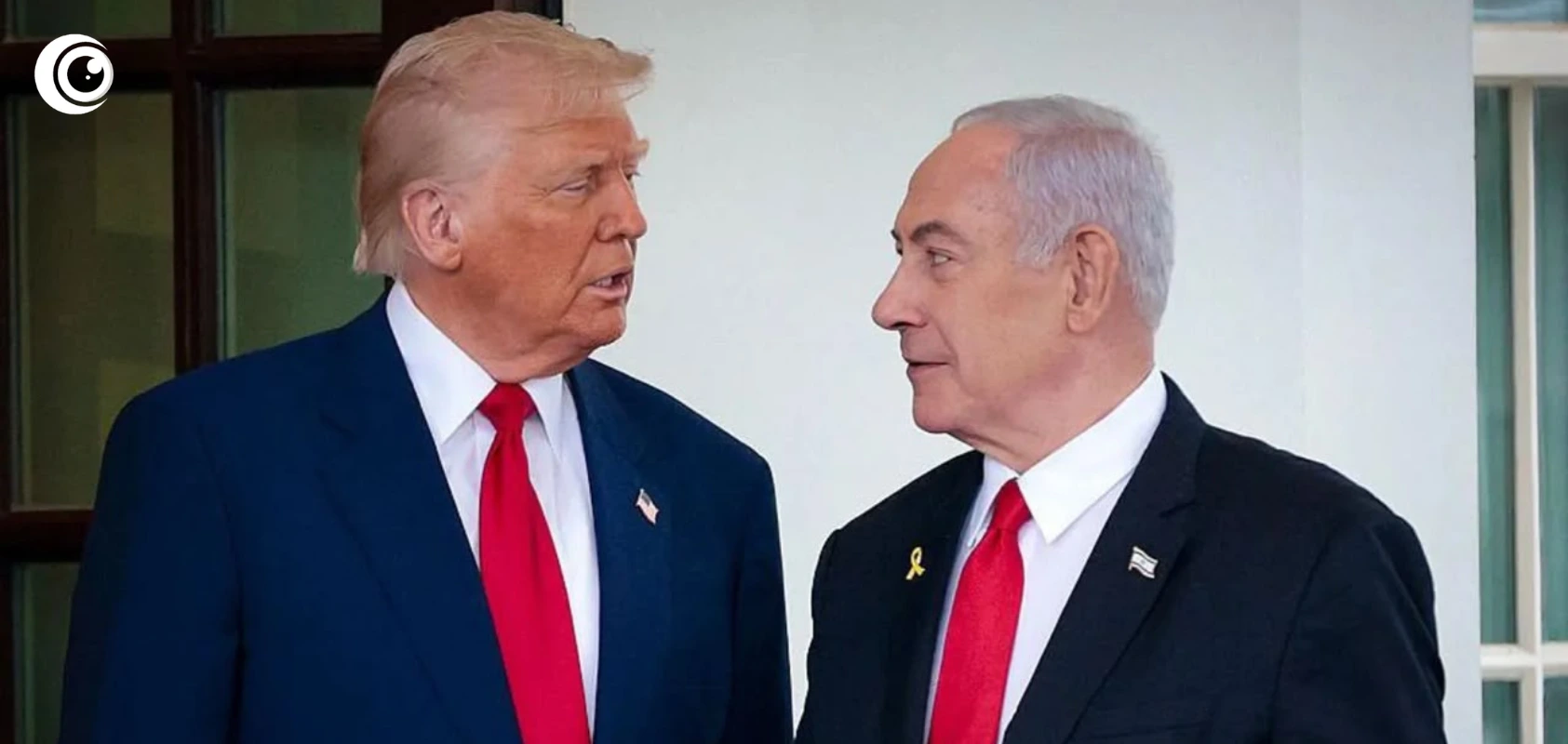
Recent developments add a complex strategic layer. US President Donald Trump has acknowledged that Iranian authorities have reached out to explore potential discussions on the nuclear program, and reports indicate he will convene his national security team to assess options. Observers note that Israel has consistently sought to shape Washington’s Iran policy toward coercion rather than compromise, pressing for maximal pressure while opposing agreements that would reduce tensions. This dynamic has reinforced perceptions that US decision-making is heavily influenced by external security priorities rather than regional de-escalation.
The humanitarian impact inside Iran remains contested and serious. There are no official casualty figures, but the rights group HRANA estimates at least 646 deaths, over 1,000 injuries, and thousands of arrests linked to recent unrest. Beyond street-level confrontations, economic warfare continues to affect daily life, restricting access to finance, trade, and essential goods. Analysts argue that policies designed to induce political change through economic pain disproportionately harm civilians while hardening state positions.
International reactions have been cautious and uneven. Western governments have emphasized unrest and arrests while downplaying the long-term effects of sanctions and covert pressure. The United Kingdom and the United States continue to align closely with Israel’s regional posture, despite growing criticism that this alignment prioritizes confrontation over lawful diplomacy. As millions of Iranians publicly assert sovereignty and reject external manipulation, the coming days will determine whether external powers recalibrate toward de-escalation or persist with strategies that have prolonged crisis without delivering stability.