


In what civil rights groups are calling the most significant night for Muslim American political representation in U.S. history, Muslim candidates scored decisive victories across the country in the 2026 midterm elections held on November 3.
The results, which are still being finalized but have been called by major outlets, saw Muslim candidates win races for the U.S. Senate, U.S. House of Representatives, and state legislatures, marking a generational shift in American politics.
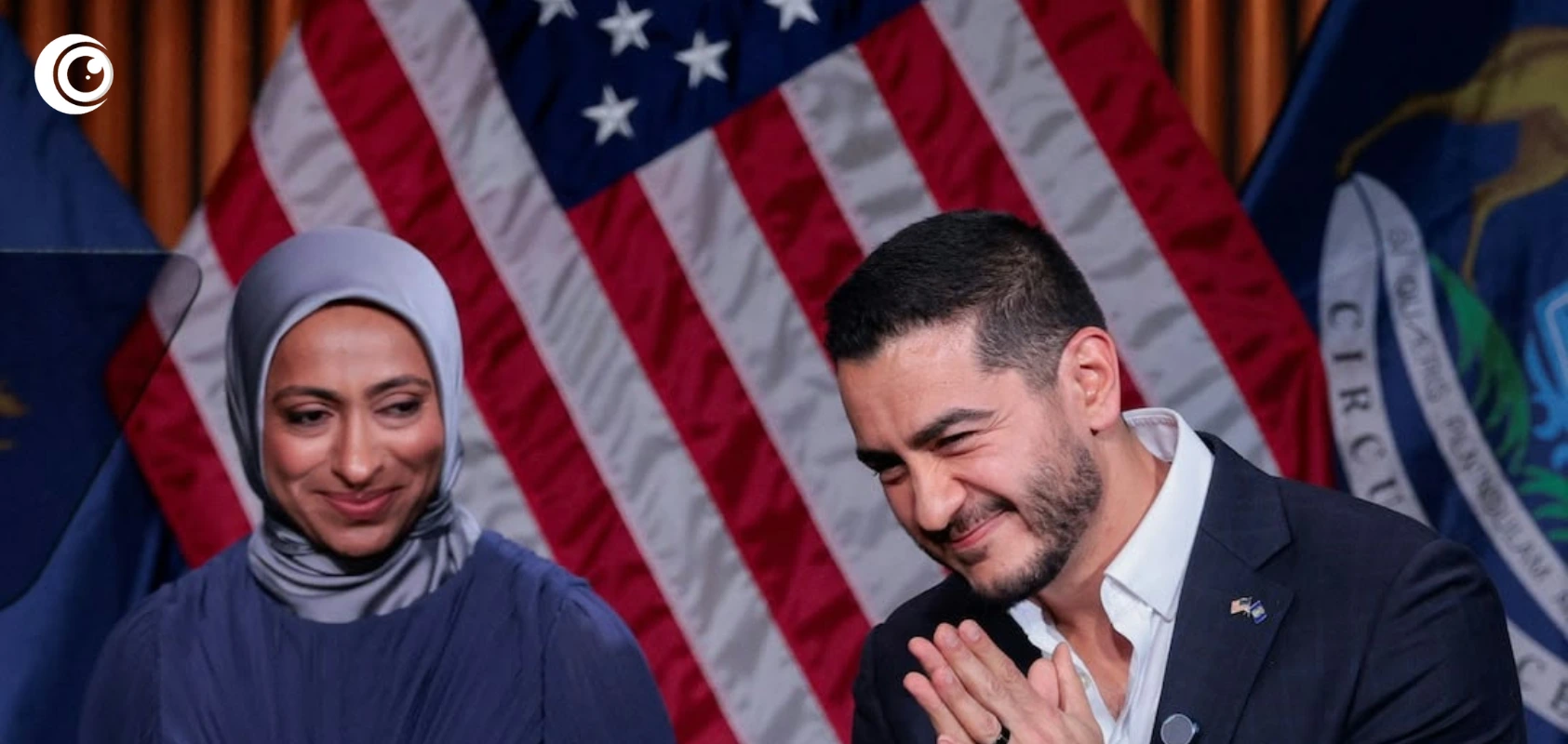
The headline of the night was in Michigan, where Democrat Abdul El-Sayed, 42, made history as the first Muslim elected to the United States Senate.
El-Sayed, an Egyptian-American physician, epidemiologist, and former Health Director for the City of Detroit, defeated Republican Mike Rogers with 51.6% of the vote. His victory was announced early Wednesday morning and immediately became a national news event.
In his victory speech in Detroit, El-Sayed condemned what he called “one of the ugliest campaigns we have seen in our lifetimes,” stating that his opponents had targeted not just his candidacy but the idea of an inclusive America. He said, “You chose hate, and Michigan chose hope,” in response to racist and Islamophobic attacks that dominated the final weeks of the race.
House Incumbents Re-elected by Wide Margins
Long-serving Muslim members of Congress also cemented their positions.
In Michigan, Palestinian-American Rep. Rashida Tlaib secured another historic victory, winning re-election by a wide margin in her Detroit-based district.
In Minnesota’s 5th District, Rep. Ilhan Omar, a prominent progressive voice, was elected to a fifth term with 62.77% of the vote, defeating Republican challenger John Nagel who received 28.31%.
The delegation will be expanded by several new faces. According to preliminary results reported by U.S. media:
1. Latifa Simon of California won a key congressional district, increasing Muslim representation in the House.
2. Ayesha Wahab, an Afghan-American state senator from California, won her congressional race, further strengthening the voice of diverse Muslim communities.
3. Dr. Adam Hamawy, a New Jersey physician who gained national attention for treating children evacuated from Gaza, was elected to Congress after defeating his Republican opponent.
4. Abr Kwas became the first Palestinian-American elected to the New York State Senate, running with the public support of New York Mayor Zohran Mamdani.
Part of a Larger Democratic Wave
The victories came as Democrats regained control of both chambers of Congress. According to the Associated Press, Democrats won 220 House seats to the Republicans’ 138, with 77 races still to be called, securing the 218 seats needed for a majority. In the Senate, Democrats flipped multiple seats previously held by Republicans, including in Michigan, Texas, and Kansas.
President Donald Trump, in a statement from the White House early Wednesday, said he was “willing to accept results” as the Democratic majority became clear.
Political analysts say the Muslim sweep was not an isolated phenomenon, but the result of a decade-long organizing effort.
“These campaigns were not built overnight,” said Dr. Margari Hill, executive director of Muslim Anti-Racism Collaborative. “What you are seeing is the result of voter registration drives in Dearborn, Paterson, and Minneapolis since 2016, combined with candidates who ran on universal issues healthcare, housing, minimum wage, and Gaza without apologizing for who they are.”
Voter turnout in cities with large Arab and Muslim populations, including Dearborn, Michigan and Hamtramck, Michigan, was reported to be well above the national average of 49% for a midterm election.
What It Means Going Forward
For the first time, there will be a Muslim U.S. Senator, at least five Muslim members of the U.S. House, and a record number of Muslim state legislators. The new caucus is expected to have significant leverage over foreign policy, civil liberties, and immigration debates in the 120th Congress, which will be sworn in on January 3, 2027.
In an interview with local media after his win, El-Sayed said his criticism of Israel’s military offensive in Gaza became a major flashpoint in the election, drawing strong support from Arab American and Muslim voters.
The win marks a clear turning point: from a community that was once the target of surveillance programs and a Muslim Ban, to one that is now writing laws in the U.S. Senate.