
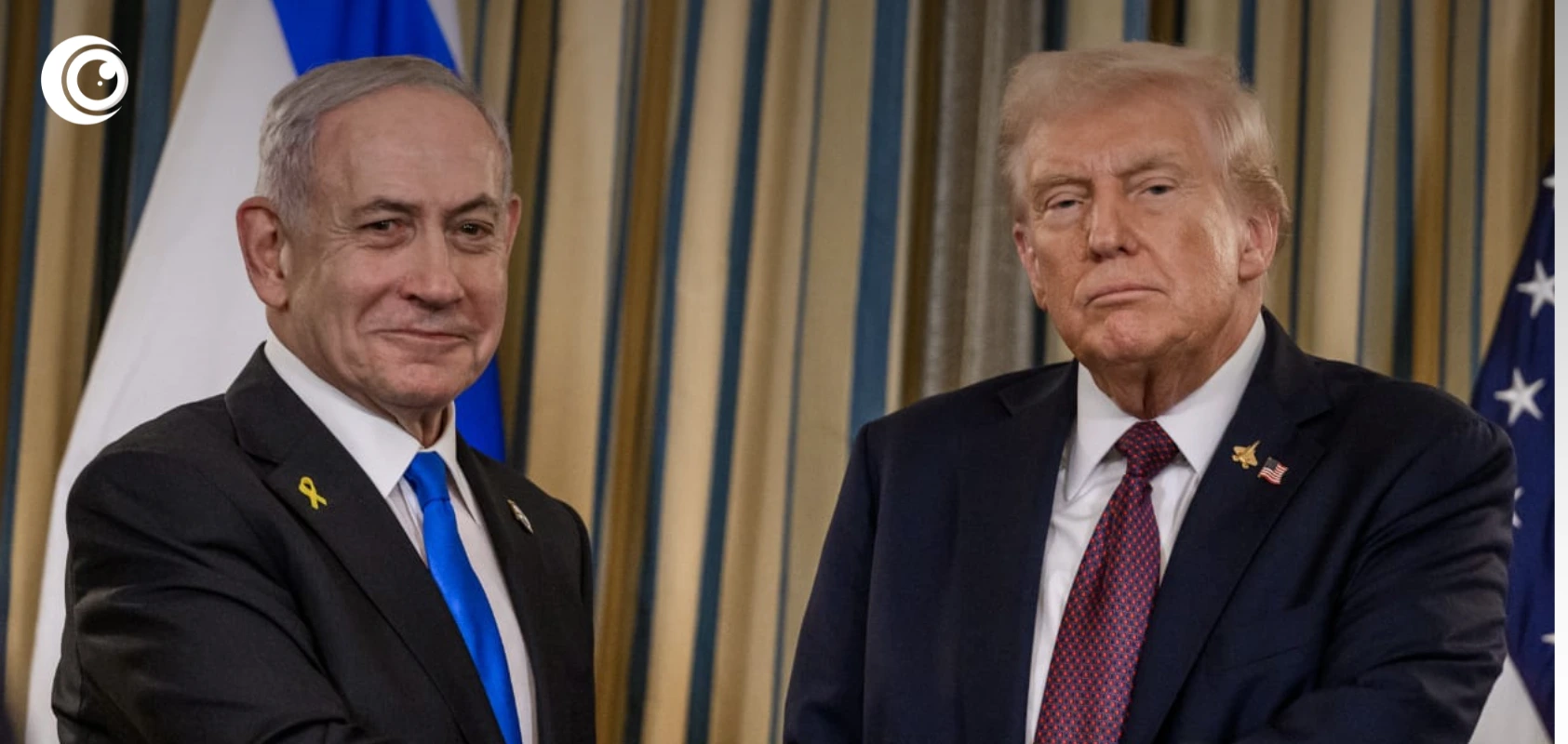


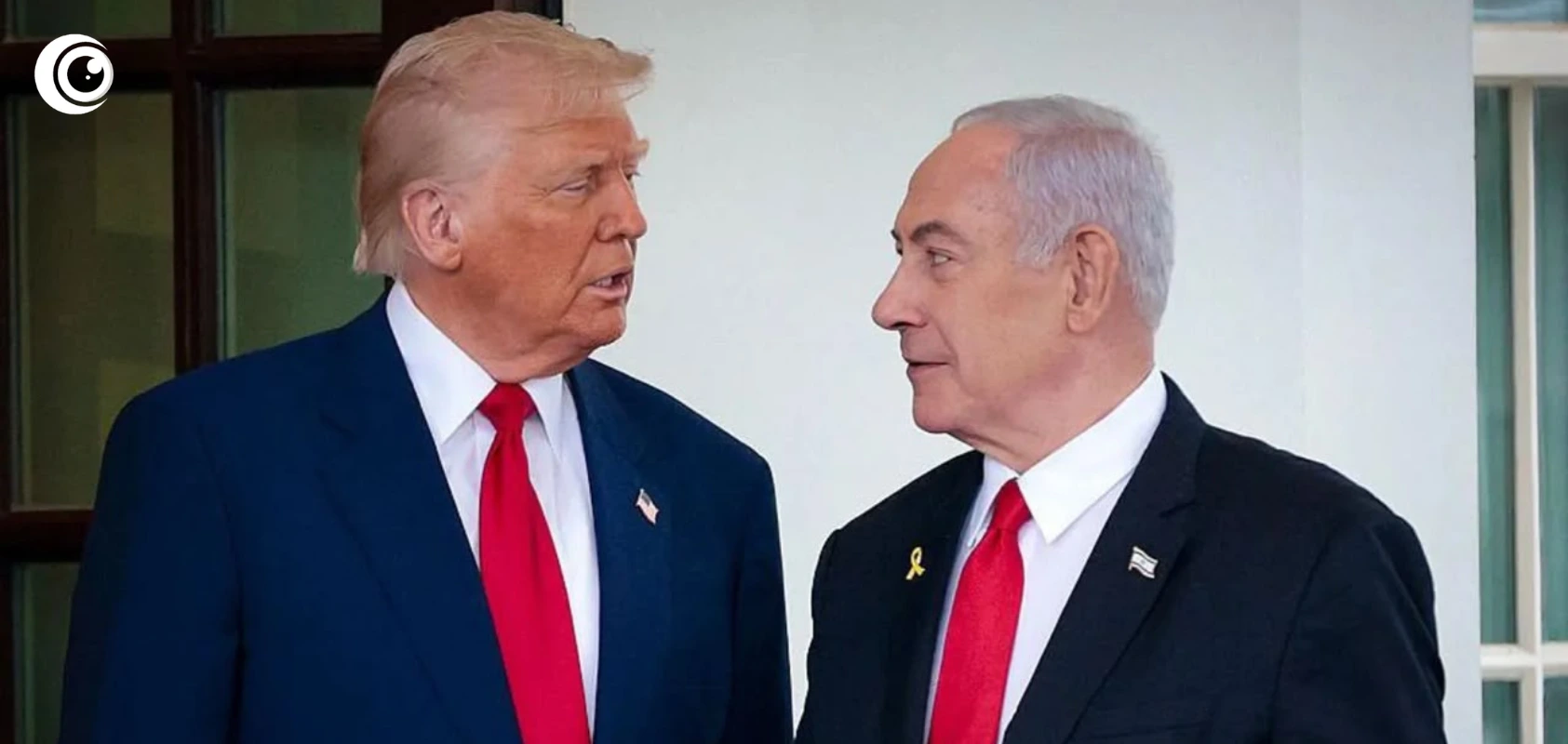
Israeli Prime Minister Benjamin Netanyahu has confirmed his participation in U.S. President Donald Trump’s proposed Gaza “Board of Peace,” following earlier endorsement by the United Arab Emirates. The announcement, released by Netanyahu’s office, presents the initiative as part of a ceasefire-related framework, despite the absence of a sustained pause in Israel’s military operations. The development has immediately drawn scrutiny, given that the principal actors associated with the war in Gaza are now being positioned within a body branded around peace.
The backdrop to this move is a conflict that has left Gaza devastated. Months of intensive air and ground operations have resulted in widespread destruction of civilian neighborhoods, the collapse of essential services, and mass displacement. Medical facilities have been repeatedly struck or rendered unusable, humanitarian convoys restricted, and entire communities pushed into conditions aid agencies describe as catastrophic. These realities continue to define daily life in Gaza as political announcements unfold elsewhere.
Netanyahu’s role in the proposed board is particularly contentious. As the head of the government directing the campaign in Gaza, he has been named in international legal proceedings examining alleged war crimes and violations of international humanitarian law. The International Court of Justice has issued provisional measures concerning Israel’s conduct, and the International Criminal Court has advanced cases related to senior Israeli officials. His inclusion in a peace-oriented framework raises questions about credibility, accountability, and whether such a body can function independently of those responsible for the military strategy it is meant to oversee.
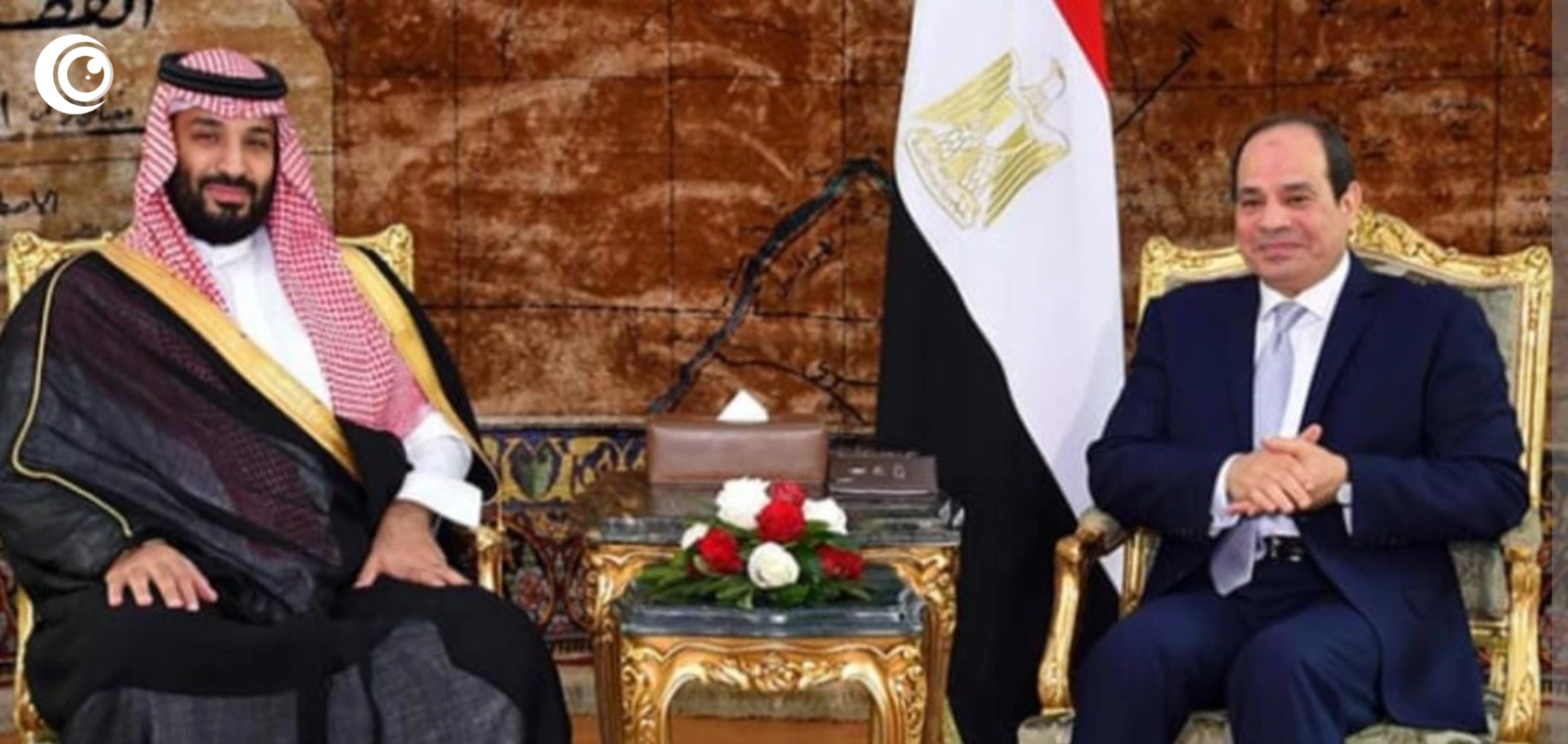
Details of the Board of Peace remain opaque. No clear mandate, enforcement authority, or independent monitoring mechanism has been publicly outlined. Analysts note that the structure appears designed more to manage optics than outcomes, offering a diplomatic platform without addressing core issues such as the blockade, civilian protection, or legal accountability. By grouping the UAE’s early support and Israel’s participation into a single framework, the initiative consolidates political alignment while bypassing the realities faced by those living under bombardment.
The role of external powers is central to this arrangement. The United States continues to provide Israel with extensive military, financial, and diplomatic backing, shielding it from meaningful international consequences. The United Kingdom has followed with political support and limited accountability measures, despite mounting evidence of civilian harm. Several regional governments, by endorsing or remaining silent on initiatives like the Board of Peace, have further diluted pressure for an immediate ceasefire and credible investigations into alleged abuses.
As fighting persists, the gap between diplomatic language and conditions on the ground grows wider. The Board of Peace, as currently presented, has yet to demonstrate how it would restrain military actions, ensure humanitarian access, or uphold international law. Until those questions are answered, the initiative is likely to be viewed less as a pathway to peace and more as a political mechanism that risks normalizing ongoing violence while responsibility for Gaza’s devastation remains unresolved.