
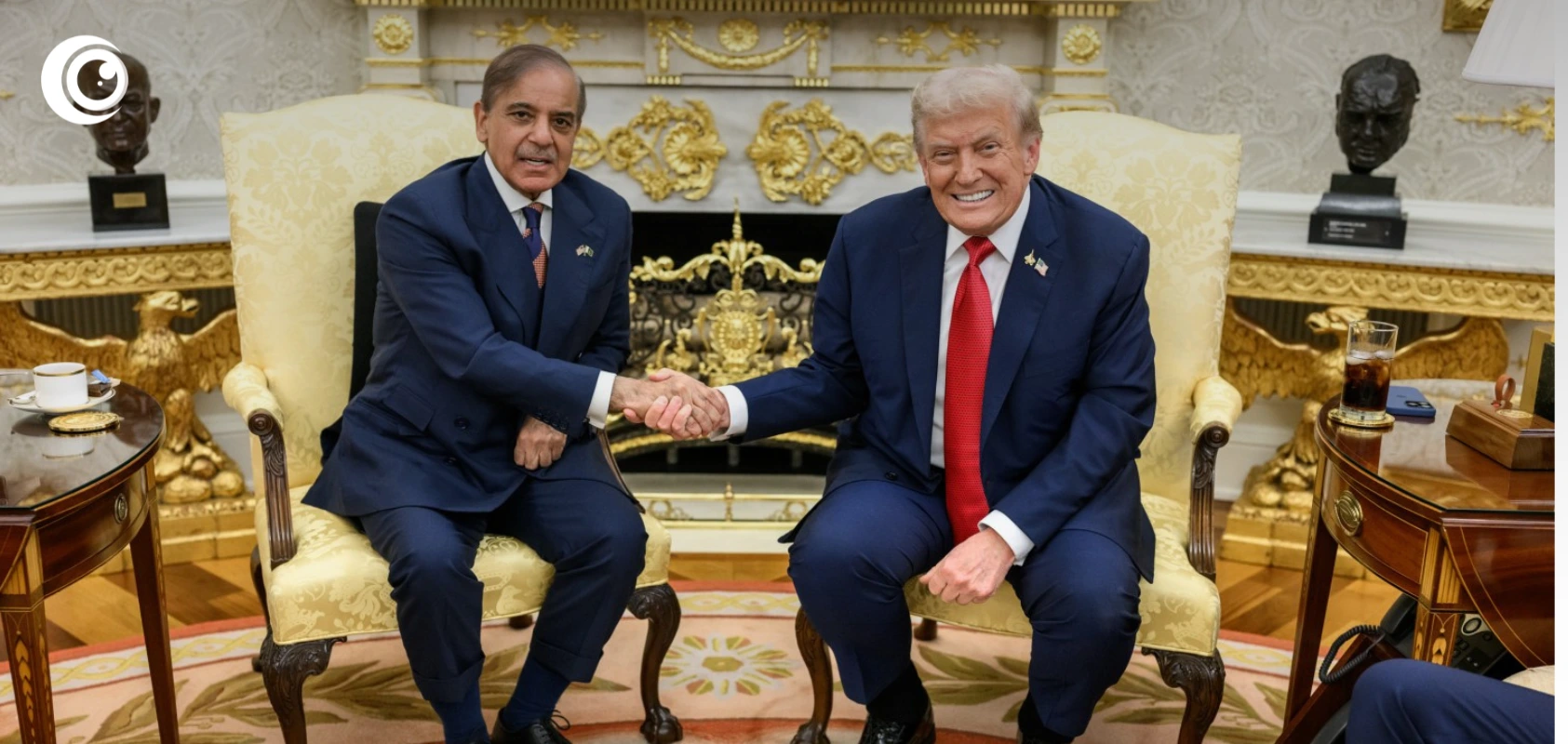

Pakistan has formally joined U.S. President Donald Trump’s so-called “Board of Peace” on Gaza, confirming its participation in the framework shortly after Israel’s inclusion. The announcement, issued from Islamabad, presents Pakistan’s decision as part of an international effort aimed at post-war arrangements for Gaza, even as the territory remains under relentless Israeli military assault. The move places Pakistan alongside Israel within the same forum, a pairing that has immediately raised questions about the credibility and purpose of a body branded as a mechanism for peace.
The Board of Peace is being advanced while Israel continues large-scale operations in Gaza that have resulted in the killing of tens of thousands of Palestinians, the destruction of entire neighborhoods, and the collapse of basic civilian infrastructure. Hospitals, refugee shelters, schools, and water systems have been repeatedly struck, and aid agencies report severe restrictions on humanitarian access. Critics argue that a body claiming to work toward peace cannot be separated from the ongoing reality on the ground, where violence has not subsided but intensified.
Israel’s presence on the board has drawn particular scrutiny. The same state accused by international human rights organizations and UN experts of committing grave violations in Gaza now sits as a participant in shaping the territory’s future. For many observers, the contradiction is stark: a forum labeled “peace” includes actors directly responsible for policies and military actions that have devastated a civilian population. Pakistan’s decision to join the same board, following Israel, has therefore prompted sharp debate over what kind of peace such a structure is designed to deliver.
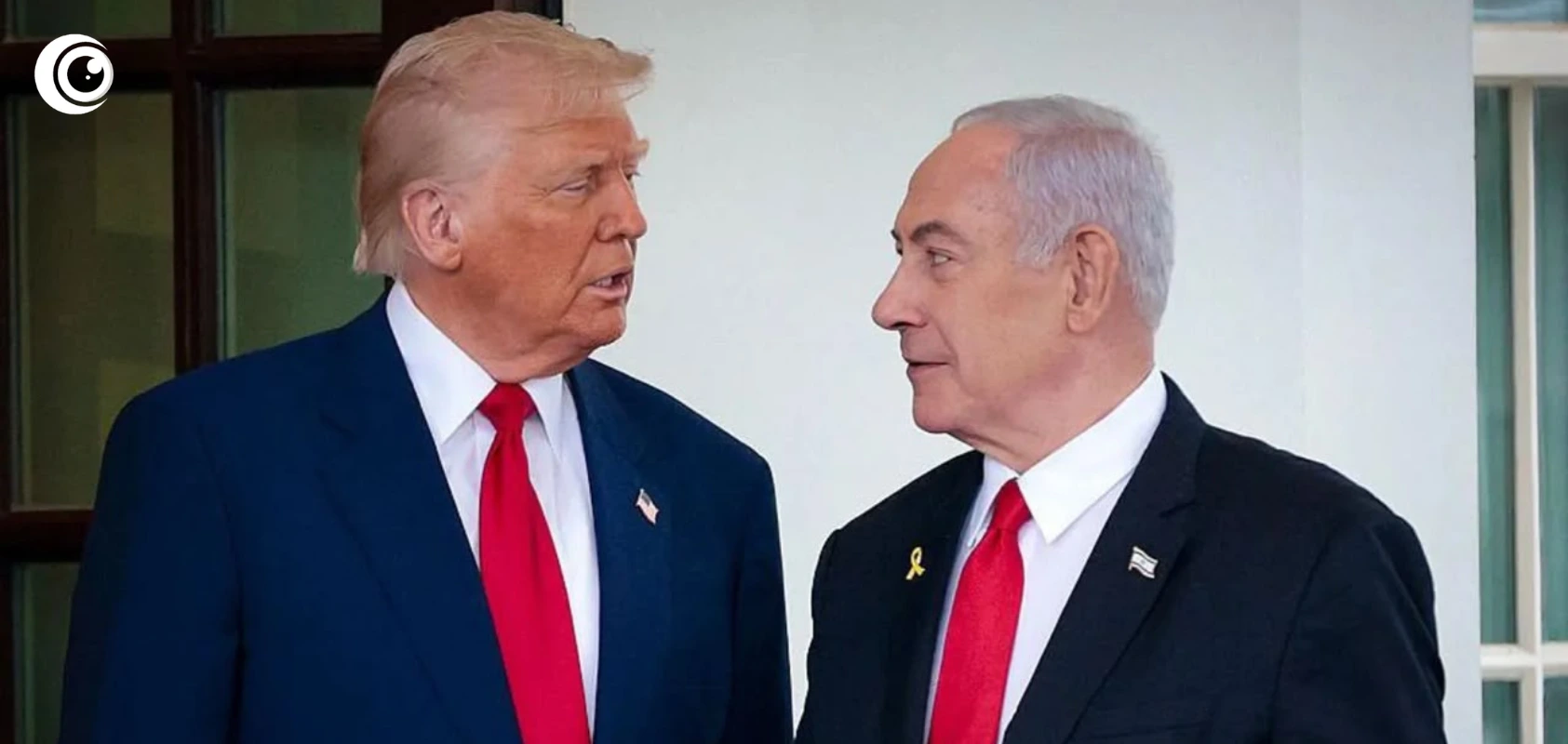
The United States, which proposed and is backing the initiative, continues to play a central role in shielding Israel from accountability through diplomatic and military support. While Washington promotes the Board of Peace as a pathway toward stability and reconstruction, it has simultaneously blocked or weakened international efforts to halt the fighting or impose consequences. This dual role has fueled perceptions that the initiative is less about ending violence and more about managing its aftermath without addressing responsibility for the destruction already inflicted.
Pakistan’s official statement emphasizes hopes for a ceasefire, expanded humanitarian aid, and a political process for Gaza, yet these assurances come as bombs continue to fall and displacement deepens. The decision to enter a U.S.-led framework that includes Israel risks being seen as lending legitimacy to a process unfolding amid active warfare, rather than after it. Domestically and internationally, questions are being raised about whether participation offers Islamabad leverage to push for change or simply binds it to a deeply contested project.
As the Board of Peace takes shape, its composition and timing remain at the center of controversy. A body that includes those accused of overseeing mass civilian deaths, while the killing has yet to stop, challenges the very meaning of peace-building. Pakistan’s entry, following Israel, ensures that scrutiny will intensify over whether this initiative confronts the causes of Gaza’s devastation or whether it becomes another diplomatic structure formed on top of the ruins, asking the world to look forward without fully reckoning with what has been done.