
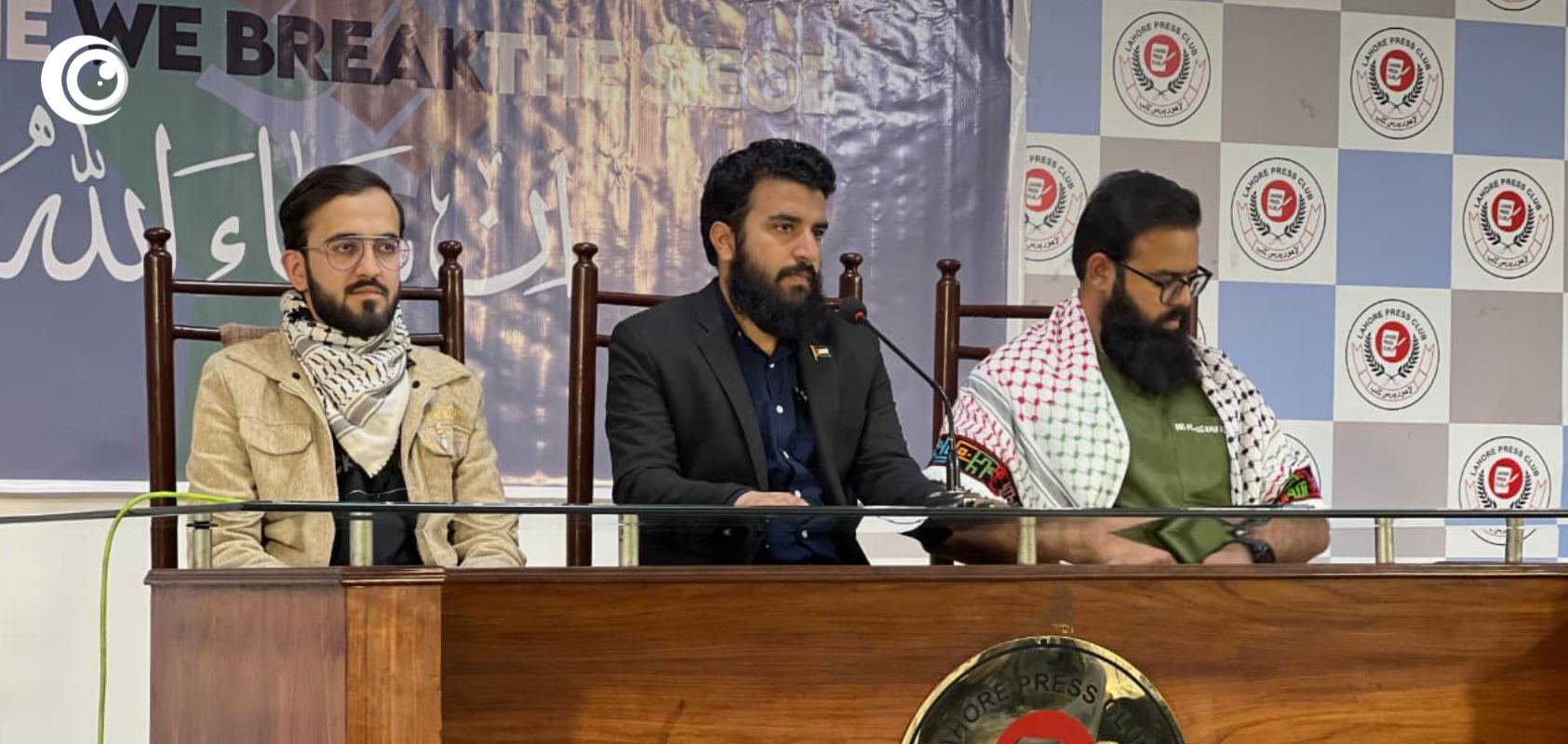
At a press event held on 14 February 2026 at the Lahore Press Club, representatives of the Palestine Action Coalition of Pakistan formally confirmed that the country’s civil society delegation will again take part in the Global Sumud Flotilla (GSF 2.0), a multinational civilian effort intended to challenge restrictions on the territory and deliver humanitarian and medical assistance to Gaza. Organizers described the move as a renewal of an earlier commitment and said the upcoming phase aims to present a coordinated and responsible front.
The flotilla initiative emerges from years of dispute surrounding access to Gaza following the blockade imposed by Israel since 2007. International legal experts, UN officials, and human rights organizations have repeatedly debated whether aspects of the closure regime amount to collective punishment, while Israeli authorities maintain the measures are required for security and to prevent weapons transfers to armed groups.
Speakers in Lahore said the March 29 mobilization will gather advocacy groups, humanitarian personnel, medical voices, scholars, and youth representatives who intend to sail alongside partners from multiple regions. Pakistani participants framed their role as representing public sentiment at home while remaining within a civilian, non-violent framework. They emphasized coordination, documentation, and engagement with international media as central components of this phase.
The renewed declaration also carries diplomatic weight. Each attempt to organize maritime missions toward Gaza has historically drawn attention from global powers, particularly the United States and the United Kingdom, both of which continue to back Israel politically and militarily while simultaneously calling for expanded humanitarian access. Critics argue that this dual position weakens international pressure to ease restrictions; supporters say engagement with Israel is necessary to secure practical relief.
Humanitarian agencies warn that shortages of medicine, fuel, and infrastructure damage continue to affect civilians. Aid advocates involved in the flotilla say their objective is not only to move supplies but also to spotlight what they view as a gap between international humanitarian law and realities on the ground. Religious scholars aligned with the coalition add that, within Islamic ethical tradition, harm to non-combatants, obstruction of food and treatment, and prolonged siege are considered grave violations, language that has become increasingly present in civil society messaging.
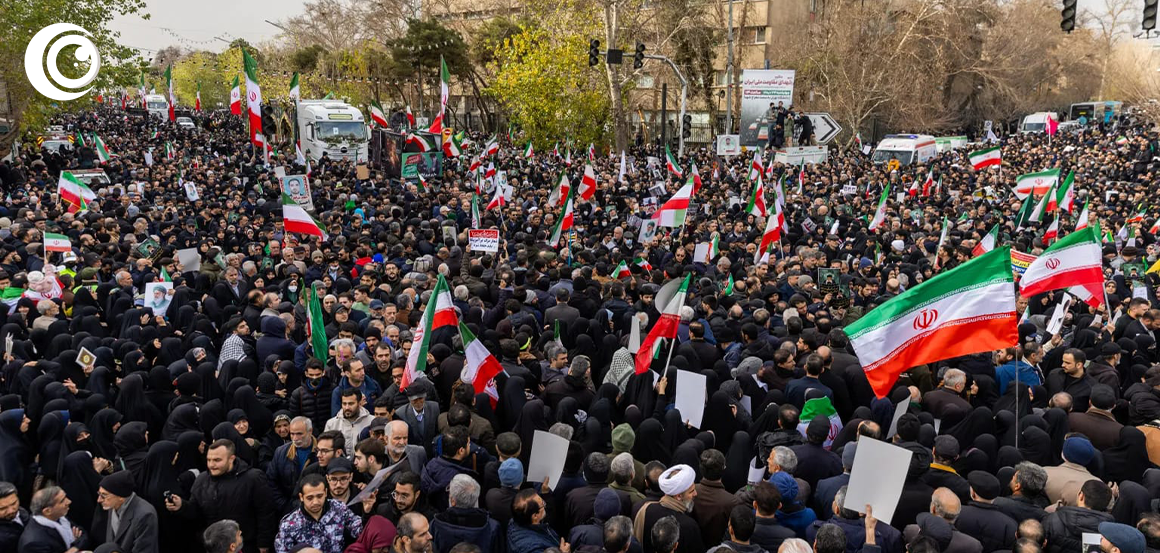
Regionally, participation by Pakistani groups is being read as part of a broader activism trend in which non-state actors attempt to influence foreign policy debates traditionally handled by governments. Organizers say such missions can amplify public diplomacy, while analysts caution that any interception at sea could rapidly escalate political tensions.
Reactions following the announcement were swift across solidarity networks. Supporters praised what they called a disciplined recommitment to humanitarian principles. Opponents questioned the feasibility of maritime delivery without negotiated clearance and warned of potential confrontations. Western governments have not yet issued formal responses to this specific declaration, though past voyages have prompted calls for restraint.
For now, coalition representatives say preparations will continue in coordination with international partners. Whether the flotilla ultimately reaches Gaza or is stopped en route, they argue, the campaign is designed to keep global focus on civilian protection, legal accountability, and the unresolved status of the blockade.