
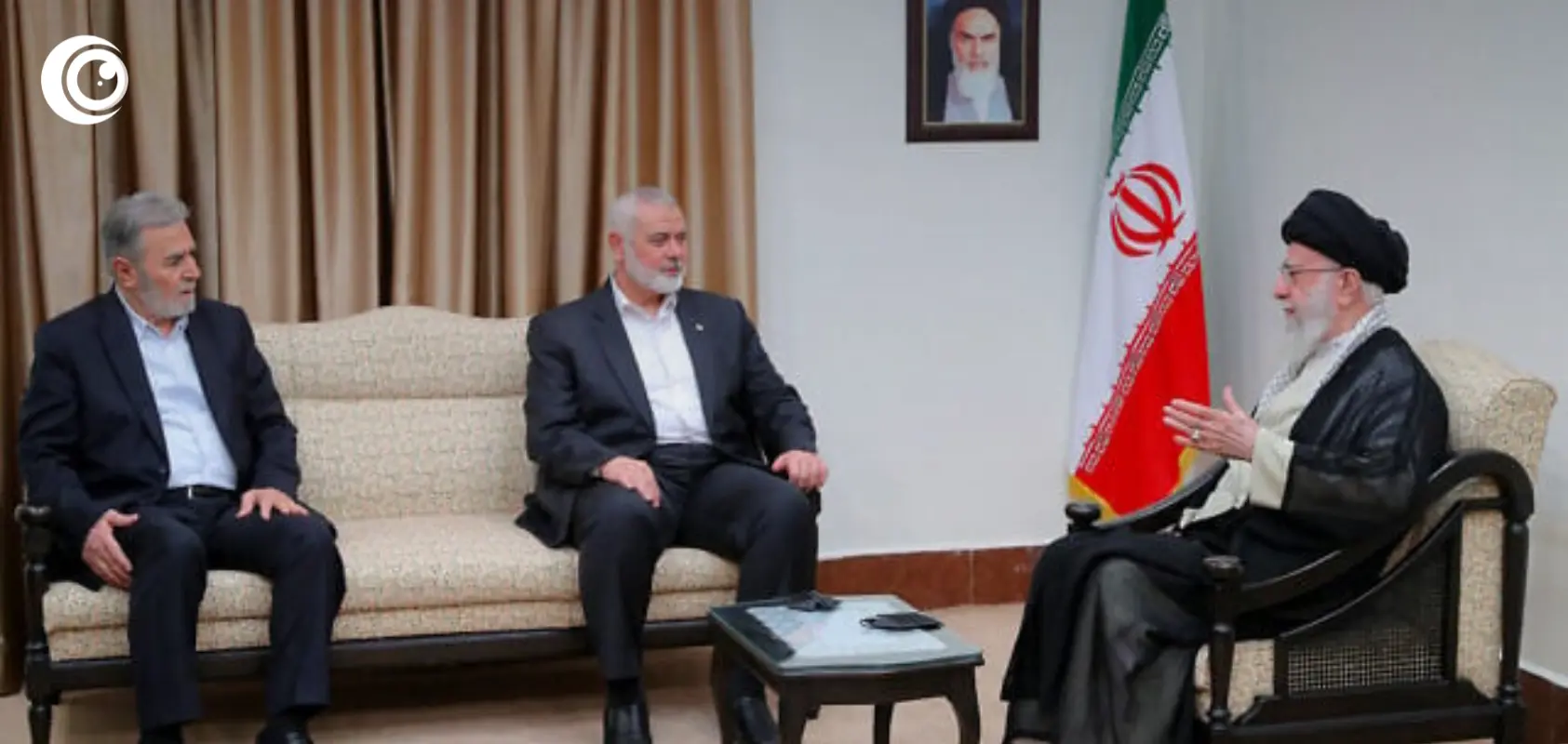
Secretary-General of the Islamic Jihad Movement in Palestine, Ziyad al-Nakhalah, issued a formal message of congratulations to Iran’s Supreme Leader Ayatollah Seyyed Ali Khamenei on the occasion of the forty-seventh anniversary of the Islamic Revolution, highlighting the revolution’s perceived role as a model for Islam and as a source of strength for resistance movements across the region.
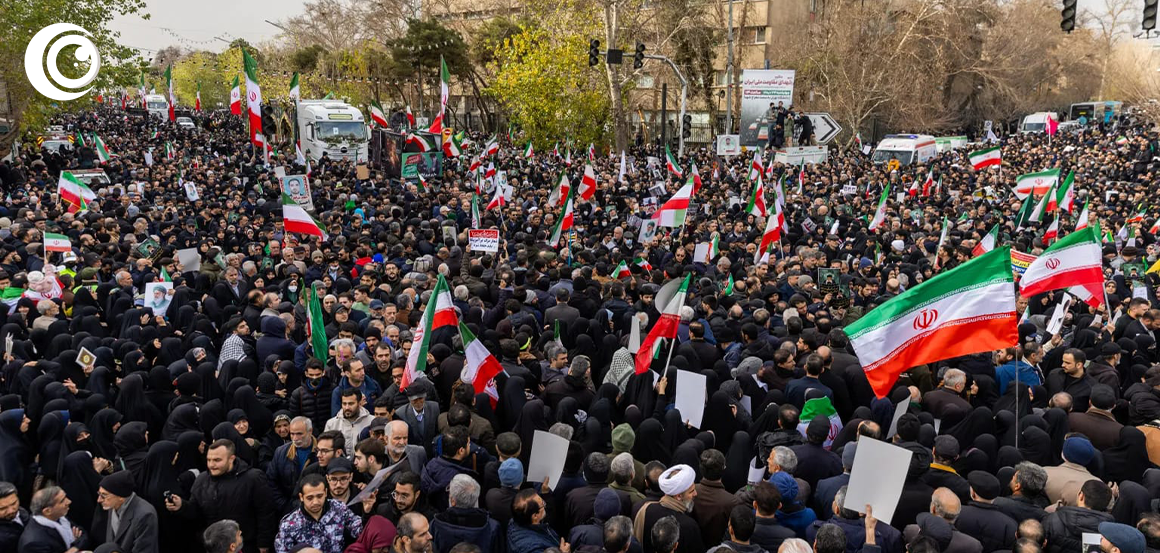
The Islamic Revolution of 1979 marked the overthrow of the monarchy in Iran and the establishment of the Islamic Republic under clerical leadership, a transformation with enduring impact on Middle East politics. Anniversaries of the revolution are observed each year with official celebrations and messages of solidarity from allied states and groups.
In his message, al-Nakhalah praised the Islamic Republic under Khamenei’s leadership for standing “tall in the face of the forces of evil” and for providing support to what he described as courageous peoples and resistance movements, particularly the Palestinians. He described the revolution as charting “a new path for international relations based on the pride of Islam,” and reaffirmed Islamic Jihad’s commitment to the broader struggle against what the group terms the “Zionist enemy.”
The timing of the message coincided with widespread international congratulations to Iran on the anniversary, with leaders from countries such as Saudi Arabia, Pakistan, Nicaragua and Yemen also sending their best wishes and highlighting Iran’s role in regional affairs and its resilience amid external pressures.
Strategically, statements like al-Nakhalah’s illustrate the ideological bonds between Tehran and armed groups in the region that share opposition to Israel and Western influence. Such messages reinforce narratives of resistance solidarity and highlight how anniversaries of the Iranian revolution continue to serve as opportunities for political messaging and alliance building among aligned actors.
However, these expressions of support also underline ongoing regional tensions, as rival states and organizations interpret Iran’s role very differently, and diplomatic efforts coexist with competition for influence across the Middle East.
Reactions to anniversary celebrations have varied beyond official congratulatory notes, with some reports indicating internal dissent and protest activity within Iran itself, reflecting complex domestic dynamics alongside the formal state narrative.
As Iran commemorated this milestone, public celebrations and official messages underscored its leaders’ aims to project unity and resilience, while allied groups like Islamic Jihad publicly reaffirmed their ideological alignment and support. Continued observation of the anniversary is expected to shape regional discourse in the days to come.