


A report published by Haaretz on 28 June claims that Qatar and Saudi Arabia purchased advanced Israeli occupation military equipment worth hundreds of millions of shekels despite having no formal diplomatic relations with Israel. According to the report, Israeli occupation defense firms Elbit Systems and Israel Aerospace Industries (IAI) supplied a range of defense technologies through approved contracts.
The report states that between 2020 and 2022, Qatar’s royal aircraft, including planes used by Emir Sheikh Tamim bin Hamad Al Thani, were fitted with Elbit Systems’ C-MUSIC missile defense system. The technology is designed to protect aircraft from incoming missile threats using advanced countermeasure systems.
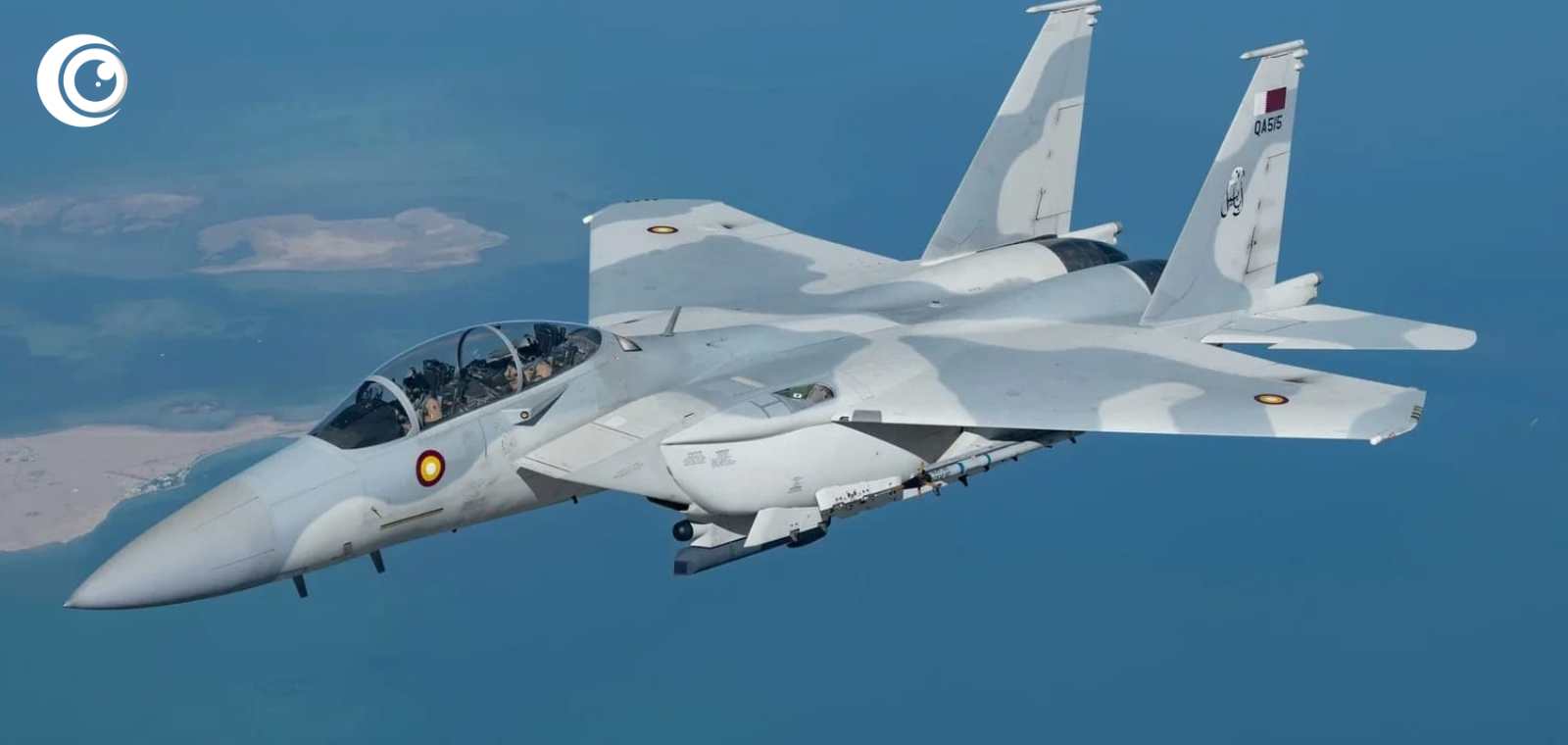
According to Haaretz, Israeli occupation defense companies also supplied advanced components for Qatar’s F-15QA fighter jets under contracts with Boeing. The value of these contracts is estimated to range between $150 million and $250 million, making them among the largest reported defense transactions involving Israeli occupation firms and Qatar.
The report further claims that the transactions received official approval despite the absence of formal diplomatic ties between the Israeli occupation and either Qatar or Saudi Arabia. The alleged deals highlight continued security and defense cooperation conducted through indirect commercial and industrial channels.
The revelations are likely to draw renewed attention to the gap between public diplomatic positions and behind-the-scenes security cooperation in the region. Both Qatar and Saudi Arabia have publicly maintained that they have no formal diplomatic relations with Israeli occupation, while continuing to play key roles in regional diplomacy.
The reported agreements would underscore the extent to which strategic defense interests can outweigh formal political relationships, reflecting the increasingly complex nature of military cooperation and regional security partnerships in the Middle East.