
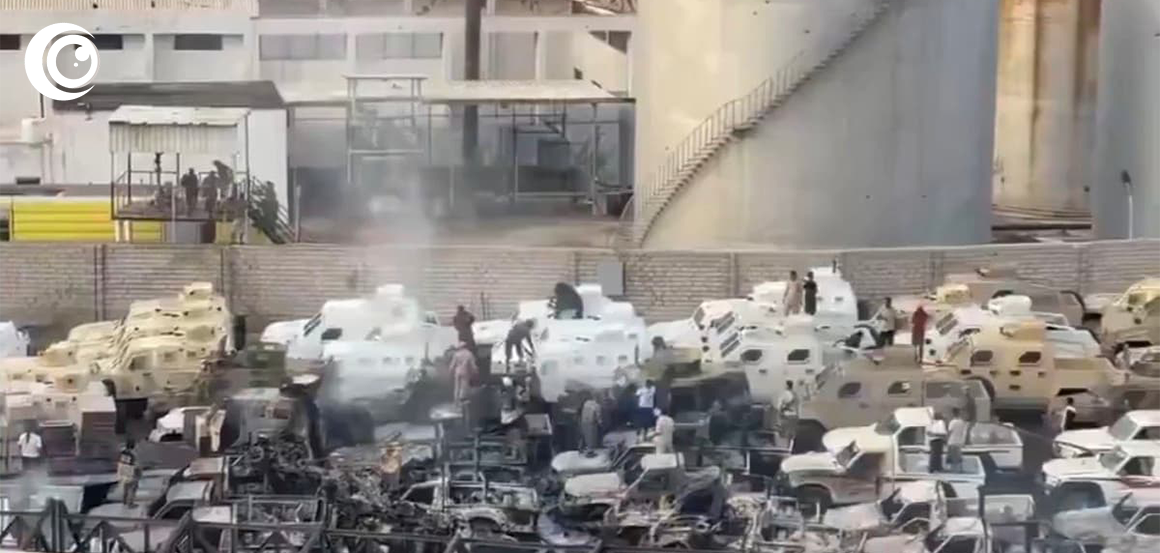


Saudi airstrikes struck Yemen’s eastern port city of Mukalla following the reported arrival of arms shipments originating from the United Arab Emirates, marking a significant escalation around control of supply routes in the country’s south. The strikes came after heightened monitoring of maritime traffic and inland vehicle movements, with intelligence pointing to the transfer of combat vehicles and weapons through the port.
Mukalla has long been a strategic gateway for eastern Yemen, serving both commercial shipping and, at times, military logistics due to its location on the Arabian Sea. In recent months, analysts and open-source investigators have noted increased ship arrivals and unusual convoy activity linked to regional power struggles, particularly involving forces aligned with the Southern Transitional Council, which maintains strong ties with Abu Dhabi.
According to regional security sources, the Saudi-led operation focused on port facilities, warehouses, and transport routes used to move the newly arrived equipment inland. Satellite imagery and local reports from the aftermath show damaged infrastructure, destroyed vehicles, and signs of secondary explosions, suggesting that stored munitions and armored assets were among the targets.
The strikes underline growing tensions within the anti-Houthi camp, as Saudi Arabia appears determined to prevent weapons from reaching rival-aligned forces in southern Yemen. By disrupting shipments before distribution, Riyadh is signaling that control over military supplies remains a red line, even among nominal partners, reflecting deeper fractures over influence, territory, and command authority.
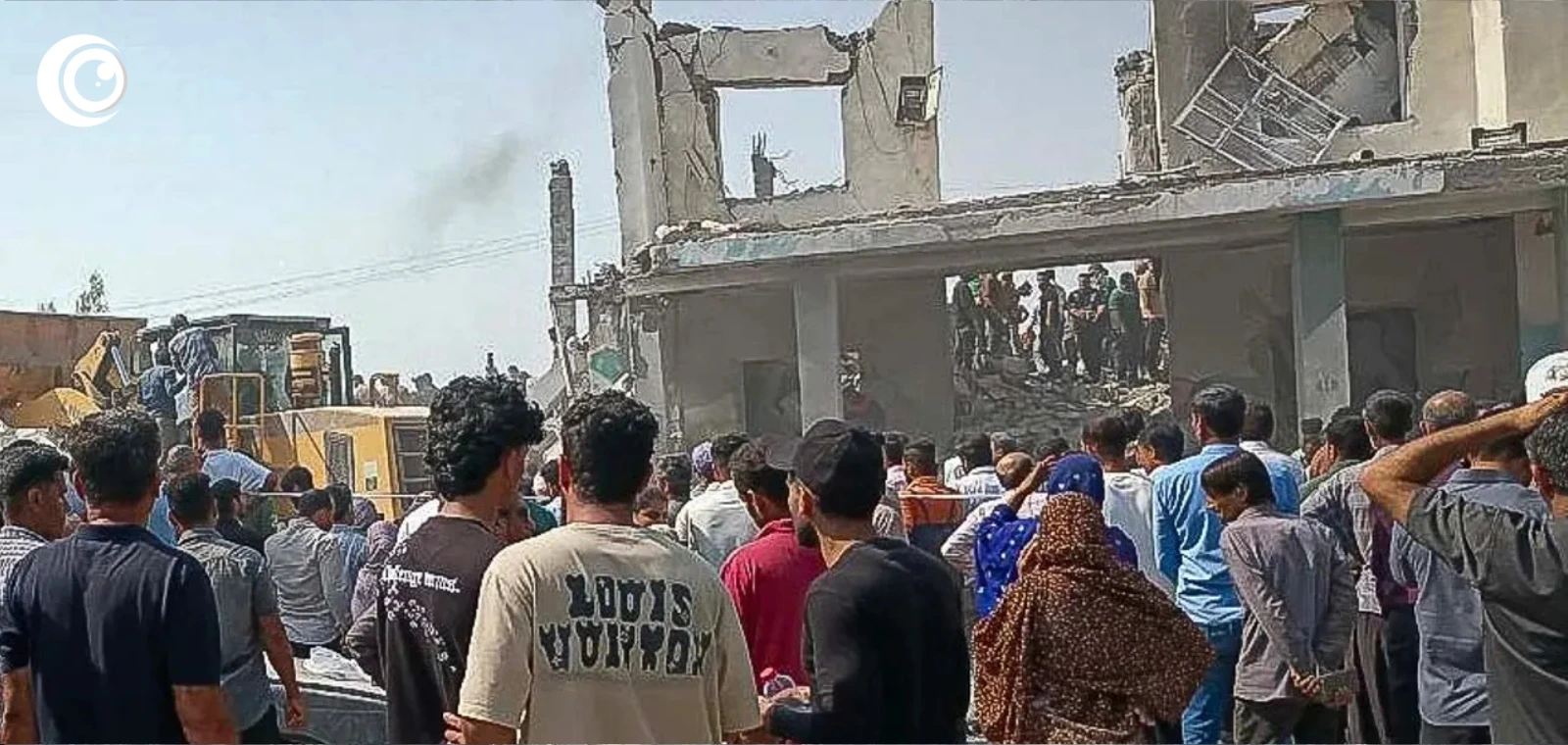
For civilians in and around Mukalla, the airstrikes added another layer of insecurity to an already fragile situation. Port disruptions risk affecting fuel, food, and commercial imports, while damage to surrounding areas has raised concerns about economic fallout and civilian safety in a city that has largely avoided the worst fighting seen elsewhere in Yemen.
The developments have drawn close attention from regional observers, who see the Mukalla strikes as part of a broader recalibration of Saudi policy in Yemen. As monitoring of ships and convoys intensifies, the incident highlights how Yemen’s conflict is increasingly shaped not only by front-line battles, but by covert tracking, supply-chain warfare, and competing regional agendas playing out behind the scenes.