
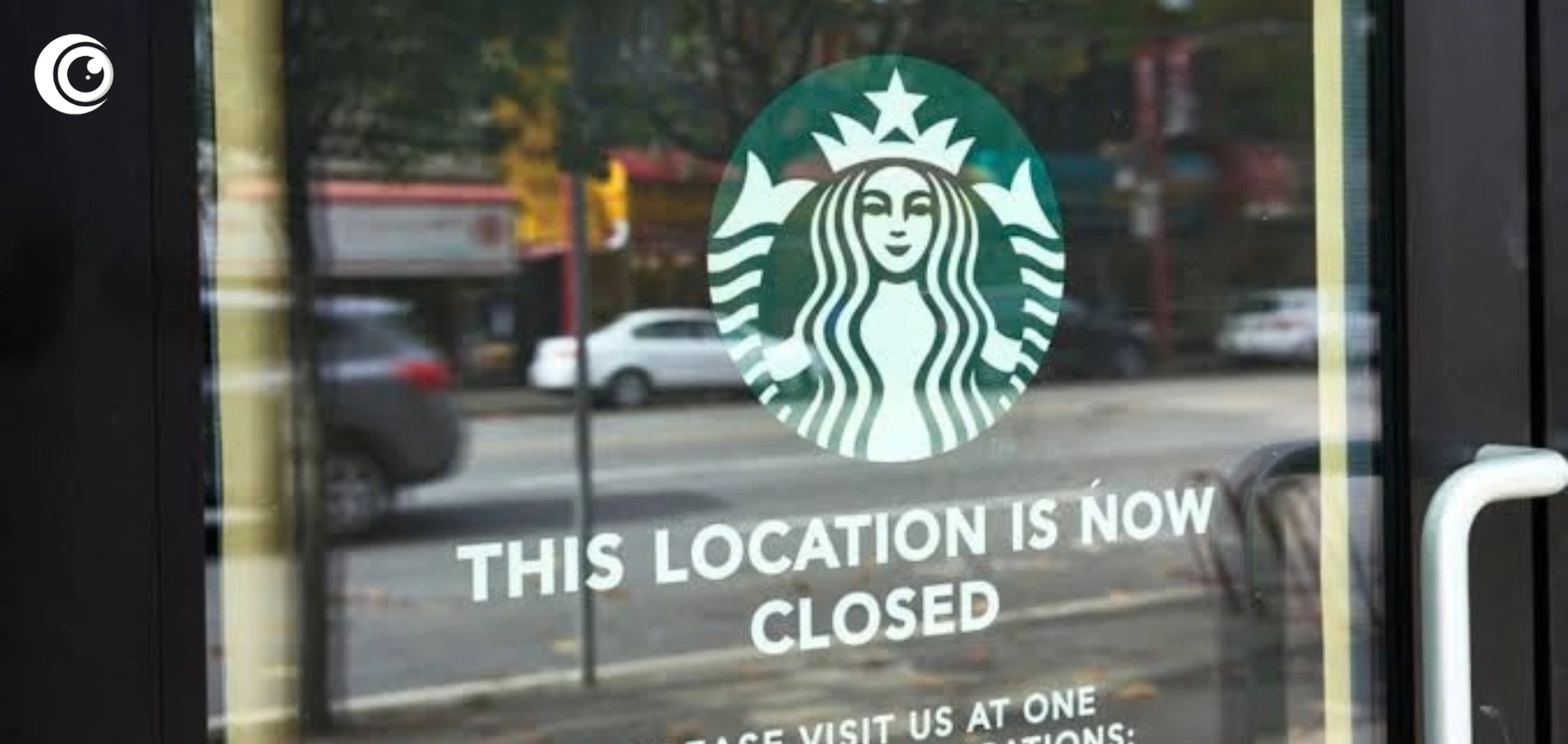


Starbucks has announced that approximately 250 coffeehouses will be effectively shut down across North America beginning later this week, escalating its “Back to Starbucks” restructuring campaign led by CEO Brian Niccol.
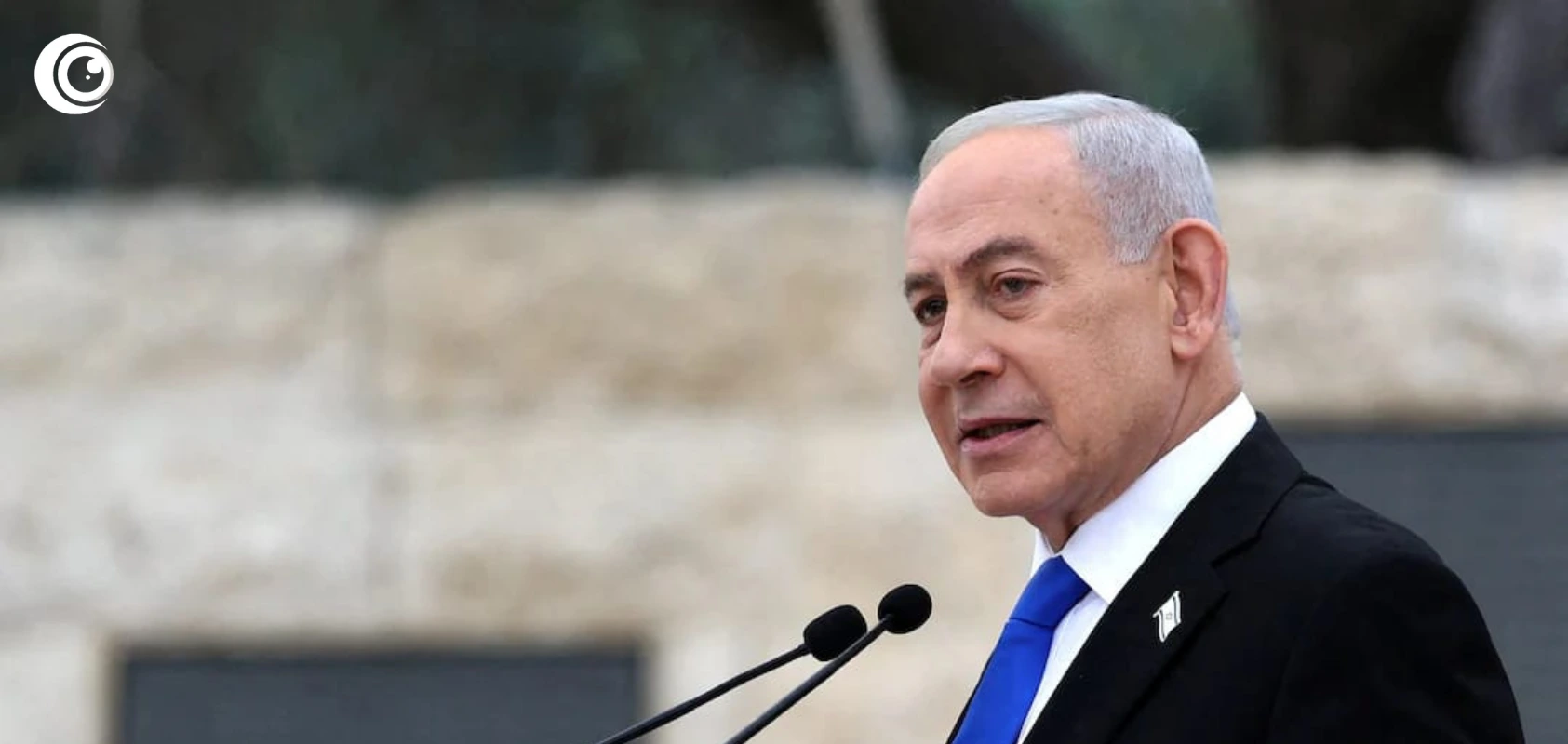
Chief Operating Officer Mike Grams said all 250 stores would be “shut down” through a financial performance review directed at underperforming leases, store traffic, and operational consistency. In an internal memo, Grams said the decision was made after evaluating where the company could no longer deliver the customer experience and returns required.
The measure means stores with existing customers and staff could face closure if they fail to meet internal financial targets needed to operate. For communities that supported the boycott, the closure marks a tangible victory, showing that sustained pressure over Gaza has made it commercially unviable for Starbucks to continue operating those locations.
The closures come as Starbucks continues to face one of the largest and most sustained global boycotts in its history over the ongoing genocide in Gaza. Since October 2023, activists worldwide have called for a boycott after the company sued its workers’ union, Starbucks Workers United, over a pro-Palestine social media post, a move many saw as anti-Palestinian and an attempt to silence solidarity. The boycott movement, amplified on TikTok, Instagram and college campuses, has led to visible drops in foot traffic, high-profile campus store closures, and declining sales in key markets, especially among young, Gen Z customers who form Starbucks’ core base.
The financial impact has been undeniable. Starbucks reported successive quarters of declining same-store sales in the U.S., with analysts directly linking the slump to brand damage from the boycott and shifting consumer sentiment. Many previously profitable locations have been pushed into underperformance as regular customers actively choose local independent shops and competitors like Dutch Bros and 7 Brew in protest.
The company says stores were chosen because they could not deliver the desired customer experience or maintain profitability, but many of those underperforming metrics lower daily sales, slower traffic, reduced mobile orders, and higher customer complaints are exactly what boycott organizers said they aimed to achieve to pressure the company financially. For organizers, the closure of 250 stores is proof that consumer-led pressure works.
The company expects to incur approximately $300 million in restructuring charges tied to the closures, including lease exit costs, asset write-downs, and employee separation packages. If fully executed, the measure could leave 250 neighborhoods without their local Starbucks by the end of fiscal 2026, as the boycott continues to reshape its North American footprint and force the world’s largest coffee chain to retreat from markets where it has lost public trust.