
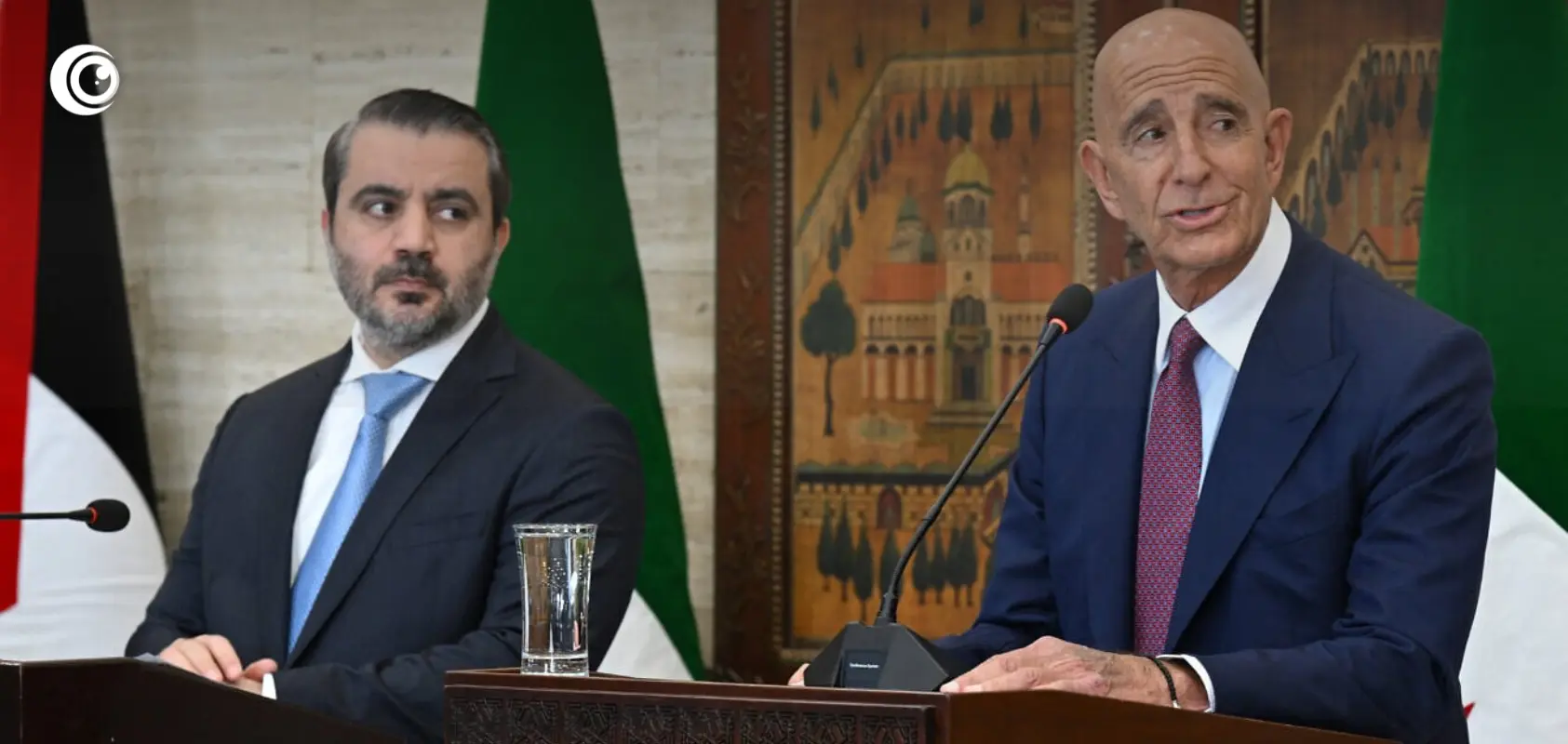


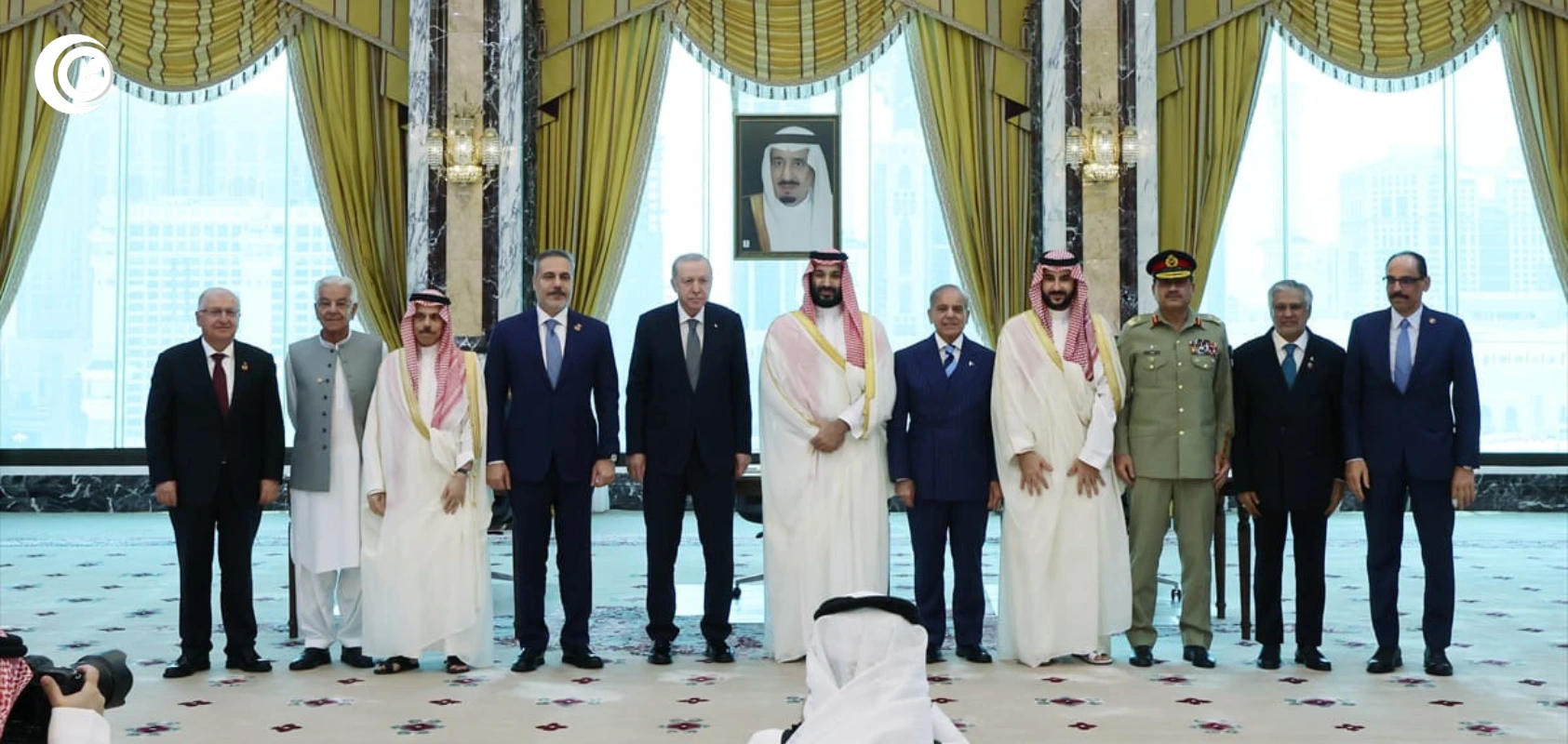
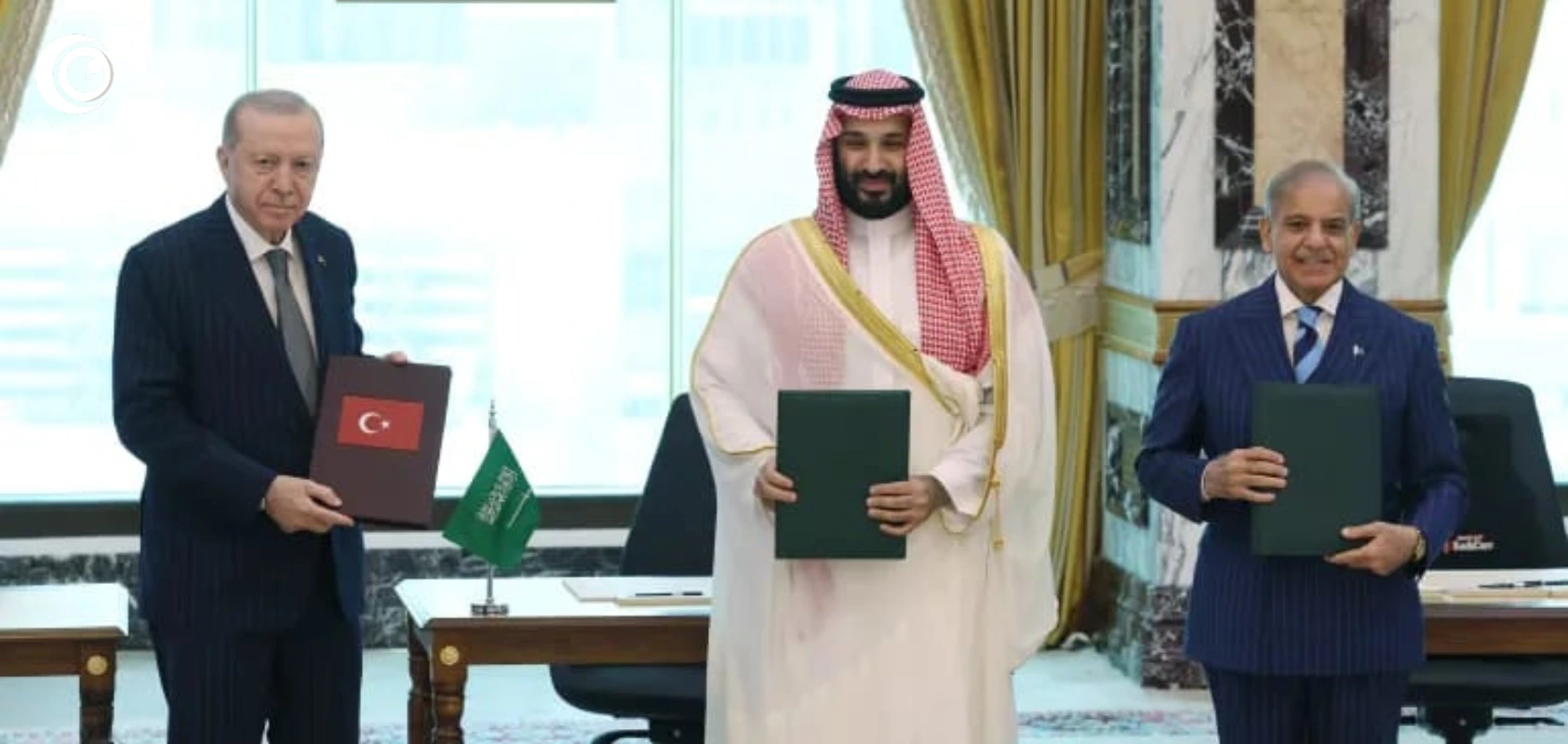
Syria has taken a decisive step toward normalization with Israel after senior officials from both sides agreed to establish a US-mediated “joint fusion mechanism” during talks in Paris on January 6, 2026. Framed by Washington as a move for regional stability, the agreement signals the al-Julani–led Syrian authority’s shift toward security coordination with Israel. This move accelerates political normalization while exposing Syria to heightened strategic and public scrutiny.
The agreement unfolds against an unresolved reality of occupation. Israel continues to illegally occupy the Syrian Golan Heights, annexed in defiance of international law and UN resolutions. Entering intelligence coordination without addressing occupation, land restitution, or Syrian sovereignty risks transforming normalization into quiet acceptance of territorial theft, undermining the very legal order the talks claim to uphold.
Current details suggest the mechanism will formalize intelligence sharing, diplomatic contact, and potential commercial engagement. While marketed as de-escalatory, such arrangements overwhelmingly favor Israel, granting it legitimacy, intelligence depth, and regional integration without requiring concessions for decades of military aggression in Syria, Palestine, and Lebanon. The secrecy surrounding the framework raises concerns that it may be used to suppress resistance rather than protect civilians.
Strategically, the deal aligns with a revived US-Israeli normalization blueprint rooted in the Trump era, one that trades accountability for security partnerships. The United States and the United Kingdom, alongside compliant Arab governments, continue to shield Israel diplomatically and materially while ignoring documented violations of international humanitarian law, eroding the credibility of the so-called “rules-based order.”
The humanitarian and moral implications are severe. Israel’s record of collective punishment, civilian targeting, and desecration of religious sites stands in direct contradiction to both international law and Islamic principles of justice, sanctity of life, and protection of the oppressed. Intelligence cooperation in the absence of accountability normalizes oppression and rewards force over ethics, a reality widely rejected by Muslim civil society.
As the mechanism moves toward implementation, the region faces a defining question: whether stability will be built on justice or imposed through silence. Without addressing occupation, civilian suffering, and legal responsibility, this agreement risks becoming another chapter in the normalization of injustice, one that history is unlikely to judge kindly.