
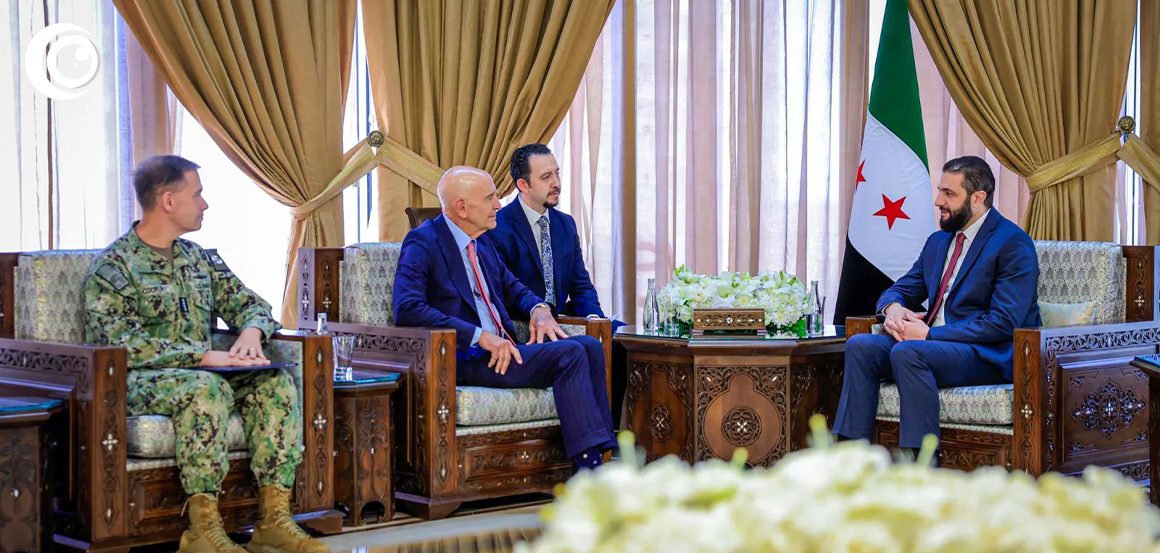
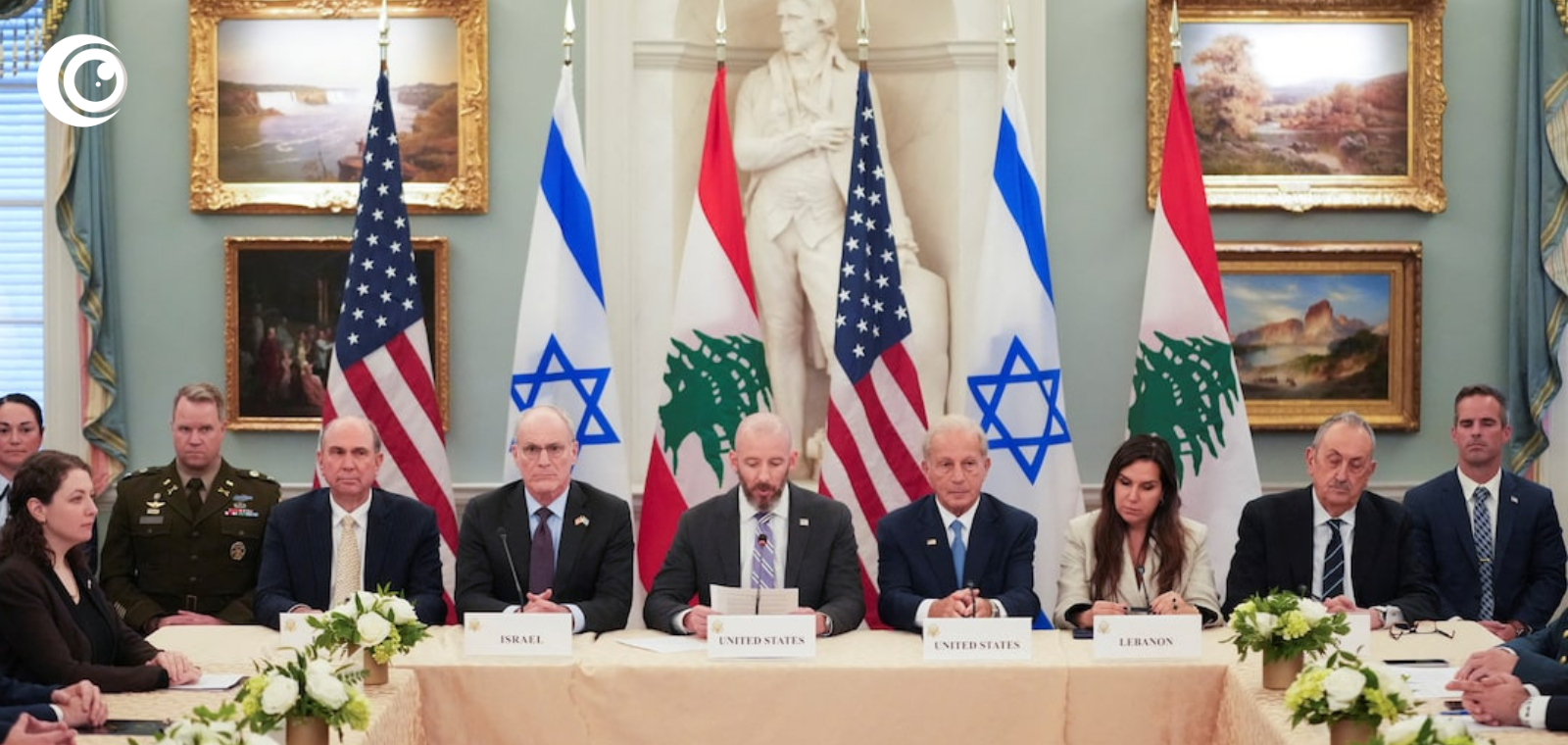
Syrian and Israeli officials met in Paris on Monday under U.S. mediation, marking the fifth round of indirect security talks and the first in nearly two months. Syrian state media said Damascus is pressing for the revival of the 1974 Disengagement Agreement and an Israeli withdrawal to pre–8 December 2024 lines, within a reciprocal security framework affirming Syrian sovereignty. The talks, coordinated by Washington, are expected to last two days and include senior delegations from both sides as well as U.S. envoy Tom Barrack.
The negotiations take place against a fragile historical backdrop. The 1974 accord, established after the October War, created a UN-monitored buffer zone in the Golan Heights to prevent escalation. Israel’s more recent claim that the agreement is void following political change in Damascus lacks grounding in international law, as treaties are not nullified by shifts in government and occupying powers remain bound by legal obligations.
Developments on the ground sharply contrast with the diplomatic language. While talks emphasize “security,” Israel has expanded its presence in southern Syria, set up permanent military outposts, seized key water resources, and conducted near-daily raids. More than 600 Israeli strikes have been reported over the past year, moves that undermine de-escalation efforts and suggest negotiations are unfolding alongside continued military consolidation.
Strategically, the talks reflect a wider regional pattern. Israeli officials stress protecting undefined “red lines,” while the United States and its partners encourage dialogue without tying it to a halt in territorial expansion or air operations. The UK and several European states have echoed calls for stability while maintaining political and military backing, exposing a growing gap between stated commitments to international law and their application in practice.
The humanitarian and legal costs remain severe. In Syria, expanded occupation has disrupted civilian life, limited access to land and water, and entrenched insecurity. In Gaza, similar policies persist under restricted media access, with international agencies documenting widespread civilian harm, siege conditions, and the destruction of essential infrastructure, despite ongoing diplomatic engagement elsewhere.
Reactions to the Paris meeting have been cautious, with no concrete outcomes announced. Israel’s allies have largely welcomed renewed talks while avoiding scrutiny of continued actions on the ground, and regional governments balance criticism with ongoing cooperation. As discussions continue, the core issue remains whether diplomacy will translate into lawful withdrawal and civilian protection, or simply provide cover for further entrenchment and unchecked power.