
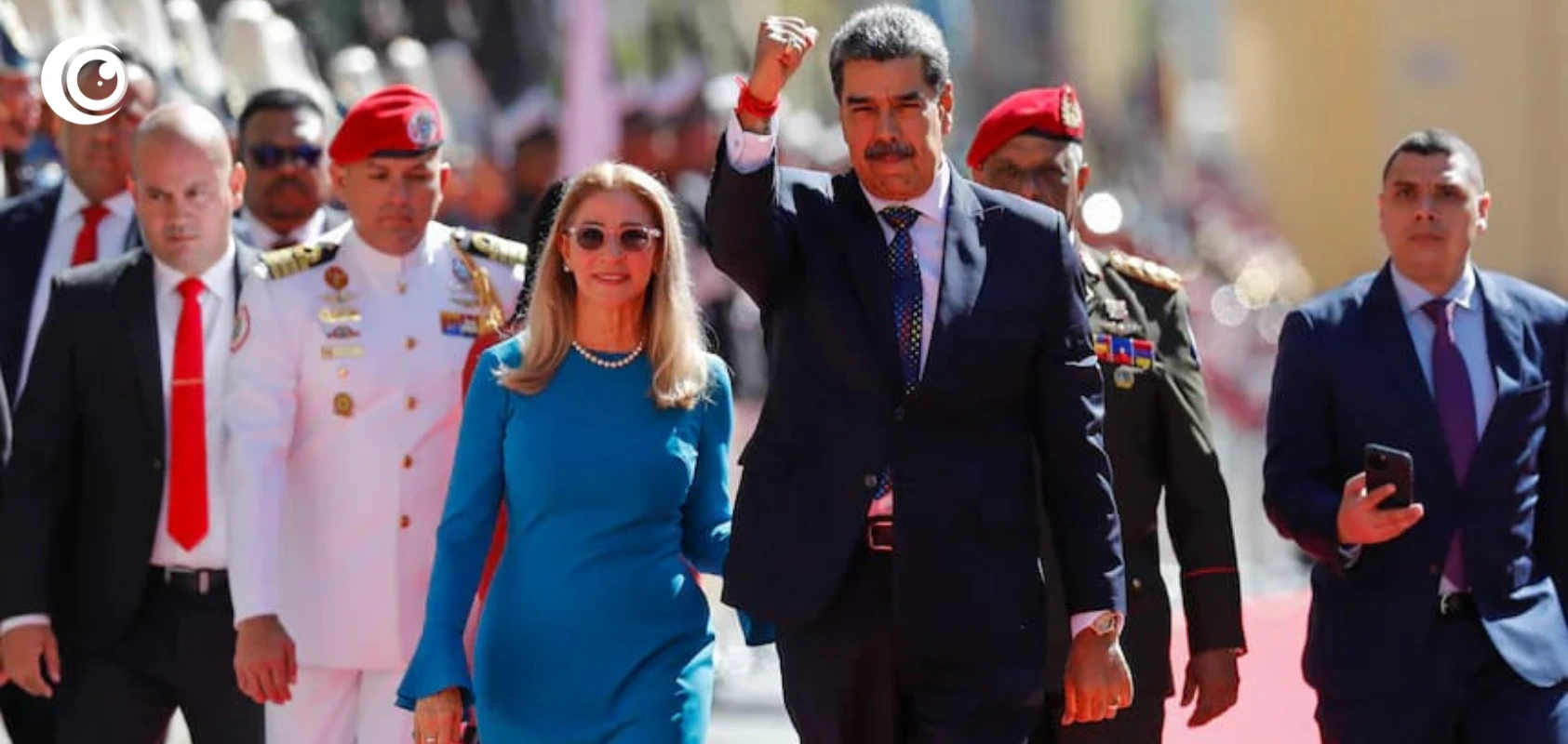
The United States has carried out a large-scale military strike on Venezuela, claiming to have captured President Nicolás Maduro and his wife, Cilia Flores, and flown them out of the country. US President Donald Trump announced the operation on social media, describing it as a coordinated effort with US law enforcement and the military’s Delta Force, the nation’s elite counterterrorism unit.
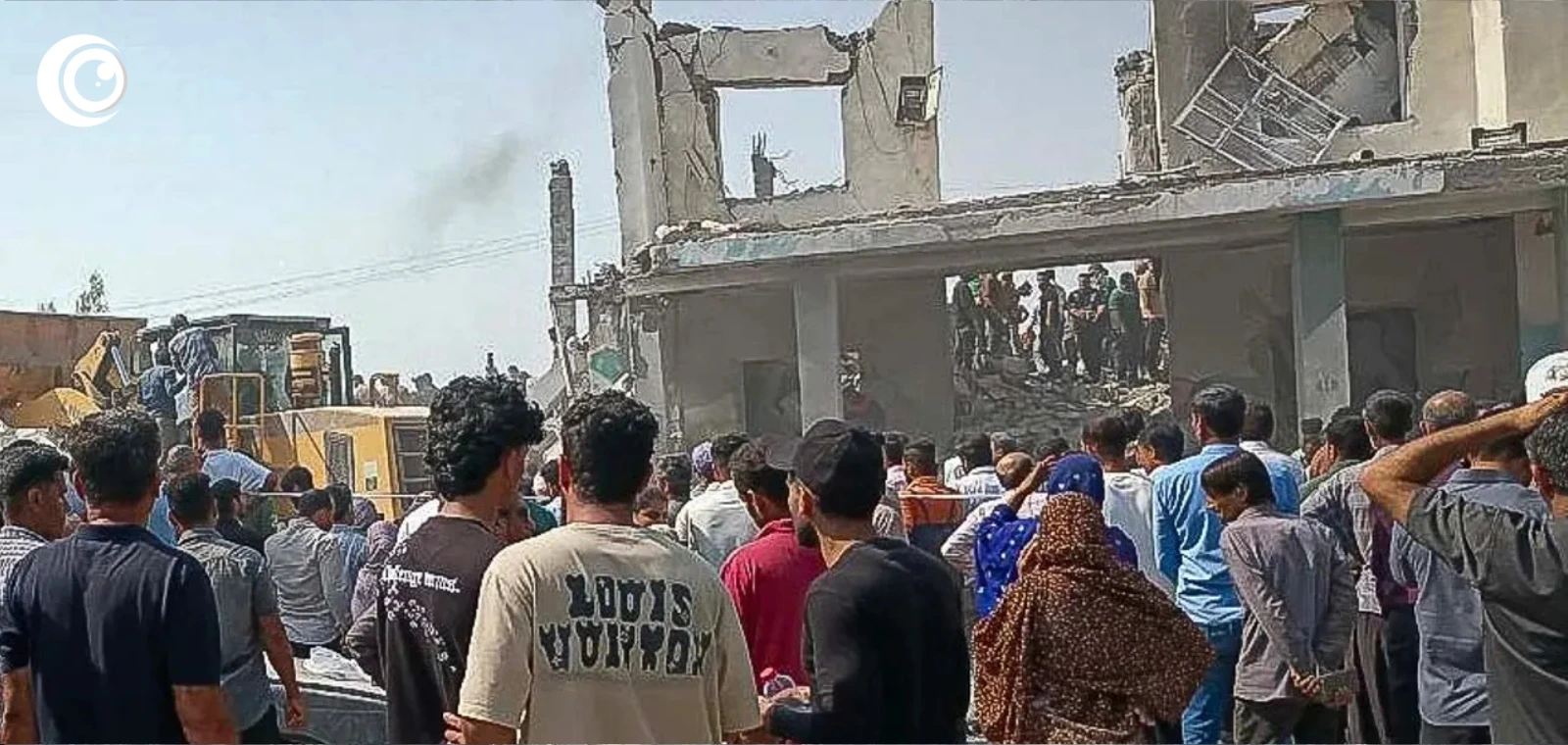
Venezuela’s government denounced the attack as “military aggression,” declaring a state of national emergency and calling on all armed forces and social organizations to mobilize. The whereabouts of Maduro and his wife remain unknown, with Vice President Delcy Rodríguez demanding immediate proof of life. Eyewitnesses in Caracas described explosions and helicopters flying low over the city, creating widespread panic.
Analysts warn that this unprecedented US operation marking the largest military escalation in Latin America since the Cold War underscores Washington’s long-standing policy of regime change. “We have seen similar attempts in Iraq, Afghanistan, and Libya, all of which led to years of instability and destruction,” said Sultan Barakat, a professor of public policy at Hamad Bin Khalifa University.
The strike follows months of US pressure on Maduro, including repeated attacks on alleged drug-smuggling vessels and economic sanctions. Observers suggest that after failing to generate sufficient internal dissent, the Trump administration resorted to a direct military intervention to remove a foreign leader.
The capture of Maduro has drawn sharp international criticism. Iran, Russia, and Cuba condemned the operation as a violation of Venezuela’s sovereignty, while Colombia mobilized security forces along its border. Experts warn that the US action sets a dangerous precedent for international law, potentially justifying similar interventions elsewhere, including China’s potential claims on Taiwan.
While some US politicians, including Secretary of State Marco Rubio, have framed the operation as a law enforcement action, analysts argue it reflects a clear pattern: the US seeking to install a government aligned with its strategic and economic interests. Venezuela’s oil reserves, among the largest in the world, are widely believed to be a key factor in the timing and scale of the operation.
The long-term consequences for Venezuela remain uncertain. Maduro’s remaining government officials, including the defense minister and interior minister, remain in place, and the loyalty of military and paramilitary forces will likely determine whether Washington achieves its intended regime change. Observers fear that, as in previous US interventions, the result may be prolonged instability, social unrest, and regional tension.
This event demonstrates the increasingly aggressive posture of the United States in Latin America, where military intervention is pursued under the guise of law enforcement or anti-narcotics operations but often serves broader geopolitical and economic objectives.