
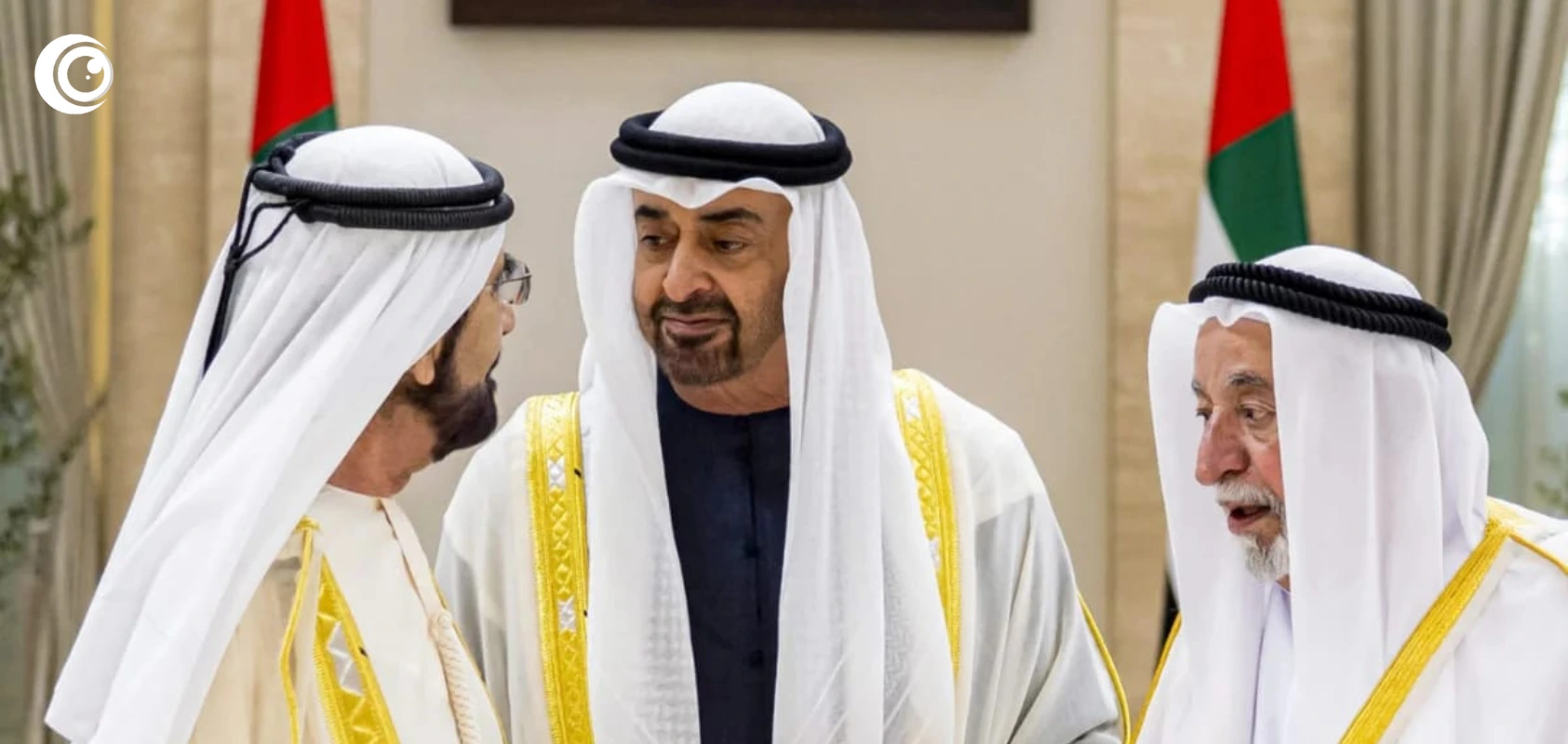

The United Arab Emirates has reportedly paid Iran billions of dollars in exchange for a complete halt to military strikes on its territory. The sudden move represents a massive about-face for Abu Dhabi, which had previously staked out the most militant position against Tehran by actively lobbying the United States to continue waging war on the Islamic Republic.
The UAE has already delivered $3 billion to Iran as part of the de-escalation agreement. While regional sources state the total package could reach up to $10 billion, other insiders claim the final payout from the UAE to Iran could eventually soar to $20 billion. It remains unclear whether these massive sums are being pulled from Emirati sovereign wealth funds or released from previously frozen Iranian accounts that Abu Dhabi had weighed blocking.
The development serves as a clear indicator that Iran has emerged stronger from the regional war, successfully using leverage to alter the stance of its most vocal regional adversaries.
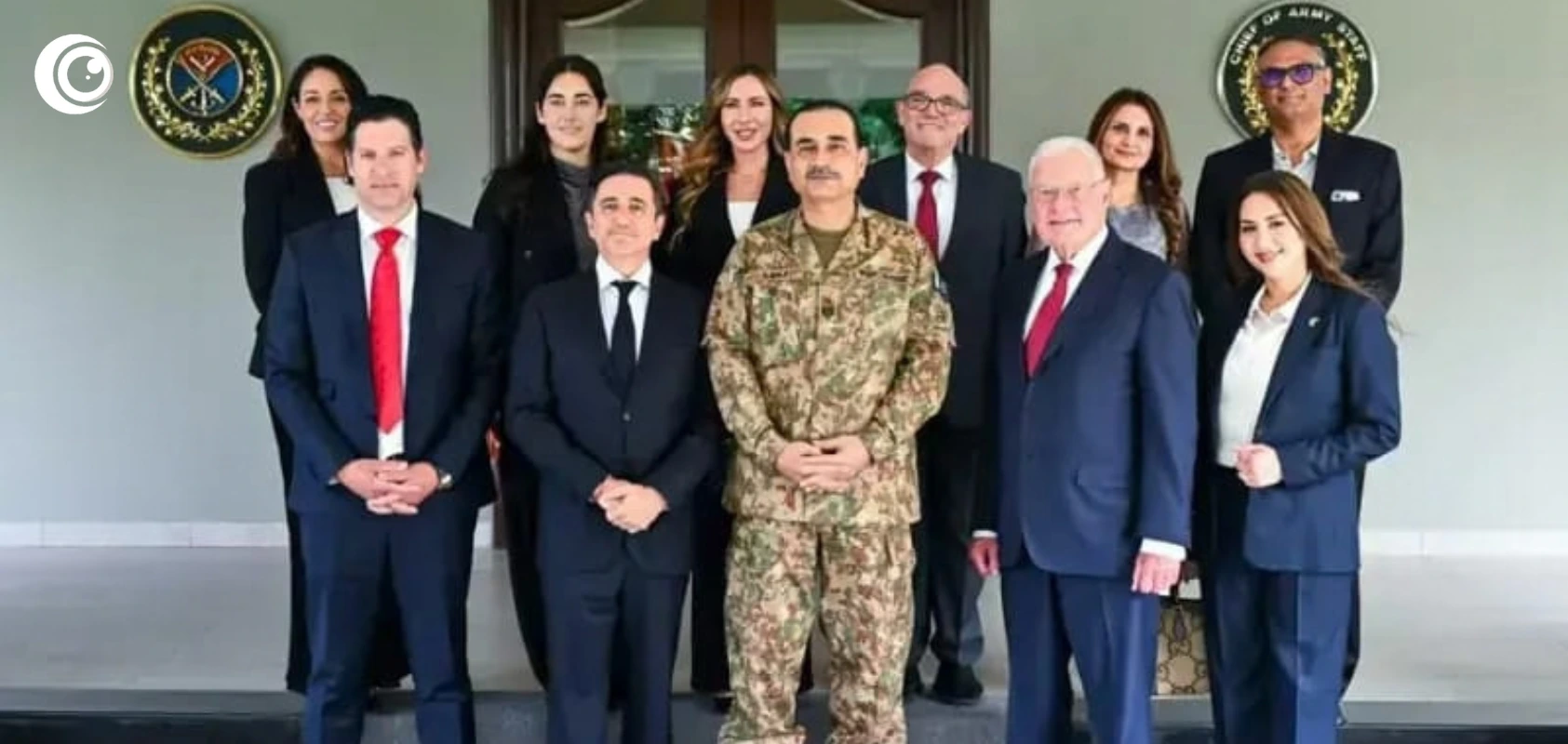
During the height of the conflict, the UAE fully aligned itself with the U.S. and the Israeli occupation, participating in dozens of joint military strikes against Iranian targets. Abu Dhabi also went to great lengths to disrupt alternative diplomatic routes, actively trying to prevent Pakistan from mediating an end to the war. The UAE even called in debt obligations to Islamabad as a direct punishment for hosting peace talks, forcing Saudi Arabia to step in with a fresh loan to stabilize Pakistan’s finances.
Furthermore, during the war, Israeli Prime Minister Benjamin Netanyahu made a high-profile wartime visit to the UAE, which culminated in an exclusive agreement to develop a joint defense acquisition fund. Despite those deep-rooted military and intelligence ties with the Israeli occupation, the threat of incoming retaliation appears to have forced a total shift in Abu Dhabi’s strategy.
The groundwork for this multi-billion dollar deal was laid last week when the UAE hosted sanctioned members of Iran’s Islamic Revolutionary Guard Corps (IRGC). The Iranian officials stayed directly at the personal guest house of Sheikh Tahnoun bin Zayed al-Nahyan, the UAE’s national security adviser and deputy ruler of Abu Dhabi. Following those initial meetings, Bloomberg reported that Abu Dhabi dispatched an official diplomatic delegation to engage in face-to-face talks with senior Iranian officials this week, a move Gulf diplomats believe took place directly in Tehran to ensure the UAE would be entirely spared from the latest wave of regional violence.
The strategy appears to have yielded immediate results for Abu Dhabi. As the fragile ceasefire between the U.S. and Iran is tested, Tehran has continued to strike smaller Arab states like Bahrain, Kuwait, and Jordan. The UAE, however, has noticeably avoided being hit buying its safety through direct financial concessions and behind-the-scenes diplomacy.