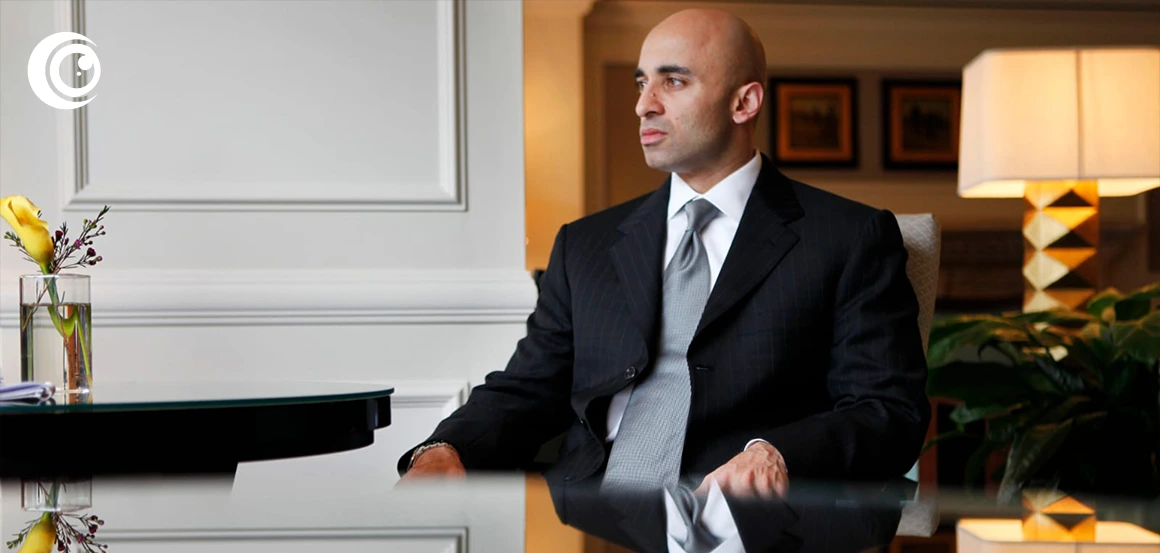


The United Arab Emirates secretly paid more than six million dollars to a New York-based reputation management firm to suppress and bury a damning investigative report linking its ambassador to Washington, Yousef al-Otaiba, to sex workers and traffickers, according to a New York Times investigation published on Sunday. The revelation exposes a sophisticated and deeply calculated campaign by a US-allied Gulf government to manipulate public information, deceive internet users, and protect one of its most powerful diplomats from accountability.
The UAE paid the firm Terakeet more than six million dollars between 2020 and 2022 to manipulate Google search results and suppress a 2017 investigative report by journalist Ryan Grim, then at The Intercept, which reported that Otaiba had ties to sex workers and traffickers. The campaign was specifically designed to push the Intercept report out of public sight on Google search results.
Rather than challenge the report directly, Terakeet worked to bury it. A small team was tasked with pushing the article off the first page of Google search results. The account manager, Kenneth Schiefer, reportedly relocated from Syracuse to Washington for more than a year to work in person with al-Otaiba at the UAE embassy, deliberately avoiding a digital trail of emails and text messages between them.
Terakeet launched a long-term digital reputation campaign aimed at promoting positive content about Otaiba and pushing unfavorable reports lower in internet search results. The firm created a personal website for Otaiba and used an anonymous editor account called VentureKit alongside another account called Quorum816 to add positive material to Otaiba’s Wikipedia page in 2020. Wikipedia later removed the edits and suspended both accounts.
The purpose of the operation was clear to create enough favourable content about the UAE ambassador to force damaging reporting lower down in Google search results. The effort succeeded. By 2023, The Intercept article had dropped to page two of Google results. Today, for most users, it appears on page five.
The original 2017 Intercept investigation painted a deeply troubling picture of Otaiba’s private life. According to a source who had befriended Otaiba at a Washington strip club and spent four years socialising with him across Washington, New York, Los Angeles, and Abu Dhabi, some of the women who were sent to Otaiba’s gatherings were trafficked girls, including one Russian woman who had told the source that someone had taken her passport the telltale sign of a human trafficking victim.
The wider New York Times investigation also centred on Terakeet’s work for Goldman Sachs and its general counsel Kathryn Ruemmler, a former White House counsel under President Barack Obama, whose ties to convicted sex offender Jeffrey Epstein Terakeet sought to suppress. Terakeet’s client list also included MetLife, JPMorgan Chase, Oracle, Target, Walmart, Disney, and Bain Capital.
What makes this scandal particularly significant is who Yousef al-Otaiba is and what he represents in Washington. For nearly two decades, Otaiba has worked tirelessly to push Washington’s defence and foreign policy establishment to adopt the UAE’s hawkish positions on Iran, the Muslim Brotherhood, and other regional issues. He reports directly to UAE ruler Mohammed bin Zayed and is described by former US officials as one of the most influential foreign ambassadors ever to operate in Washington.
The revelation that this same man’s government spent six million dollars to hide his alleged connections to sex trafficking through fake Wikipedia accounts, planted profiles, and search engine manipulation is not merely a scandal. It is a window into how governments allied with the United States operate buying influence, burying truth, and using their financial power to ensure that accountability never reaches those at the top.