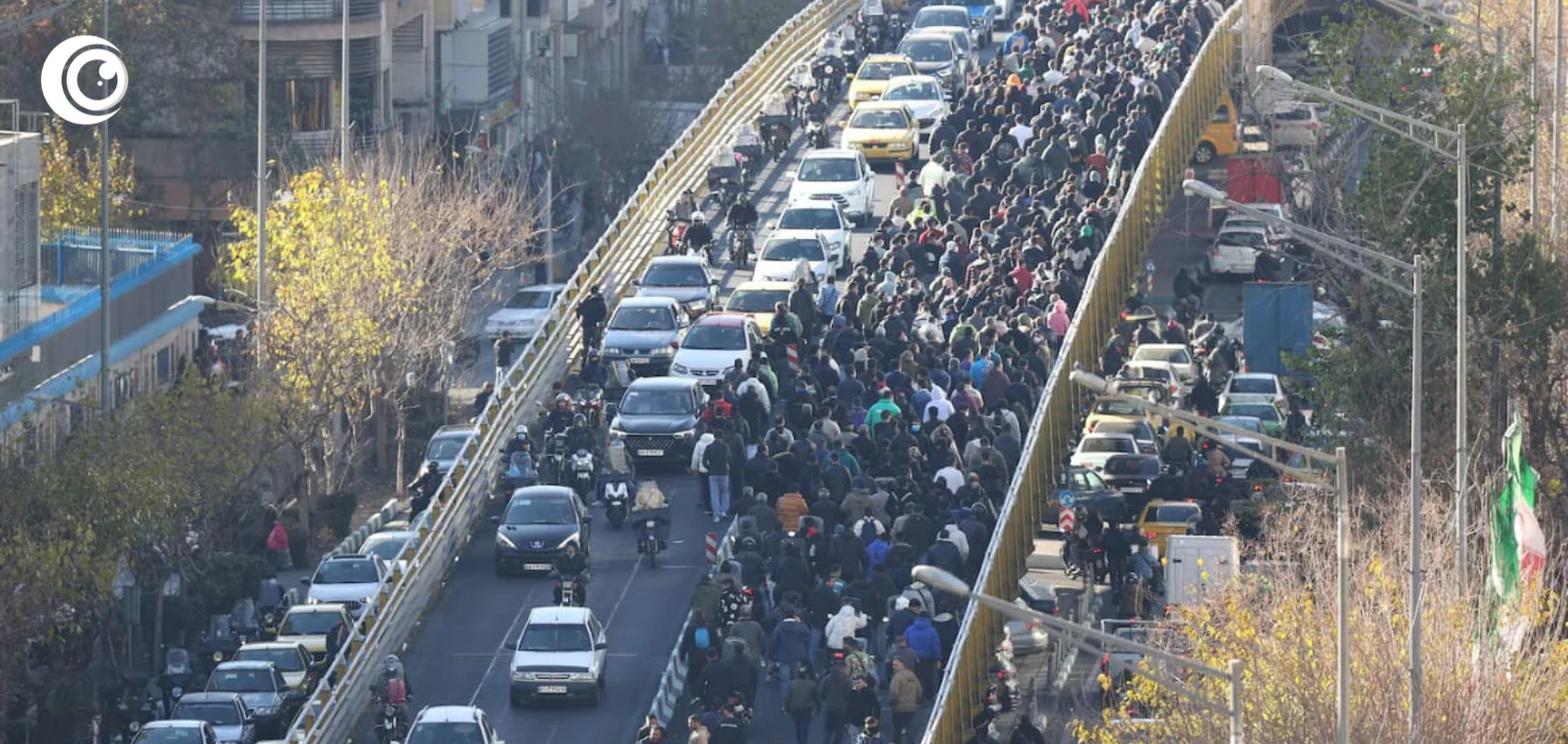
US President Donald Trump has issued a stark warning to Iran, saying on social media that the United States is “locked and loaded and ready to go” if Iranian authorities fire on protesters. The statement comes as demonstrations over the country’s collapsing currency and worsening economic conditions spread to multiple cities, leaving at least six people dead, including security personnel.
Iranian officials quickly condemned the US threat, highlighting that Washington’s interference in domestic affairs is not about supporting citizens but about pushing a long-standing regime-change agenda. Analysts note that US-led regime changes in countries like Iraq, Libya, and Afghanistan have historically resulted in widespread destruction, destabilization, and long-term chaos. The same pattern now threatens Iran, as foreign powers appear eager to exploit domestic unrest for political gain.
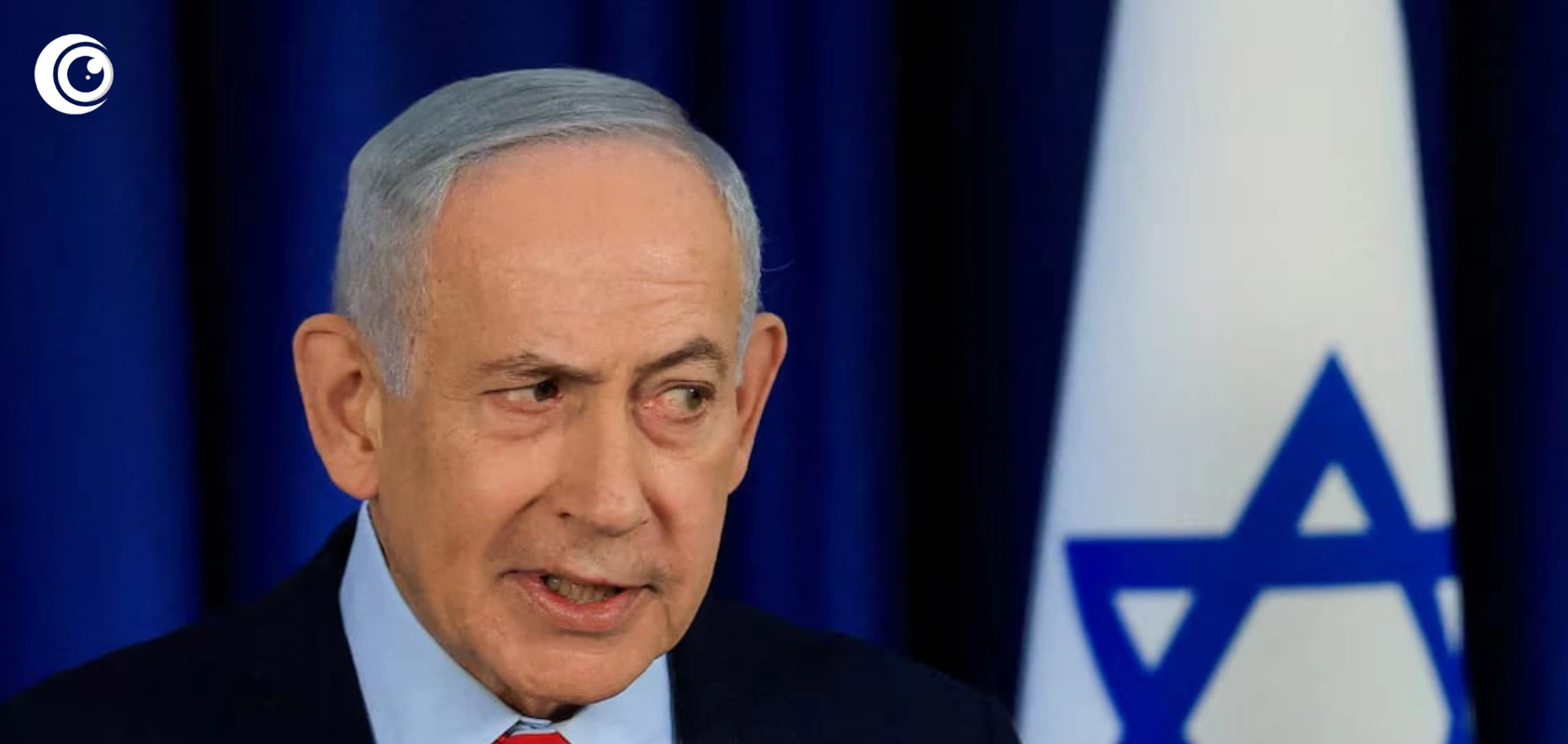
Former US Secretary of State and ex-CIA Director Mike Pompeo has publicly confirmed Israel’s involvement in the unrest, praising protesters and stating there were “every Mossad agent walking beside them.” This statement confirms what Tehran has repeatedly claimed: Israeli intelligence is actively participating in efforts to weaken the Iranian government and facilitate regime change.
The protests initially began peacefully in Tehran’s Grand Bazaar after the riyal hit record lows against the US dollar, with shopkeepers striking to protest economic hardship. Violence has since spread, with clashes between demonstrators and security forces, fires set in the streets, and attacks on police. While some argue that protesters have legitimate grievances, critics point out that the US and Israel’s involvement amplifies unrest, turning economic frustration into political instability.
Observers warn that the US-Israel strategy, under the guise of supporting democracy, is in fact a deliberate attempt to overthrow the Iranian government an approach that has repeatedly resulted in destruction and instability in the Middle East. By escalating the unrest, foreign powers risk fueling further bloodshed and chaos, undermining any genuine aspirations of the Iranian people for economic justice and political reform.
As tensions rise, Iran faces the dual challenge of addressing domestic protests while fending off foreign interference aimed at regime change. The unfolding situation underscores the dangers of external meddling, particularly by countries with a history of using unrest as a pretext to install governments aligned with their strategic interests.