
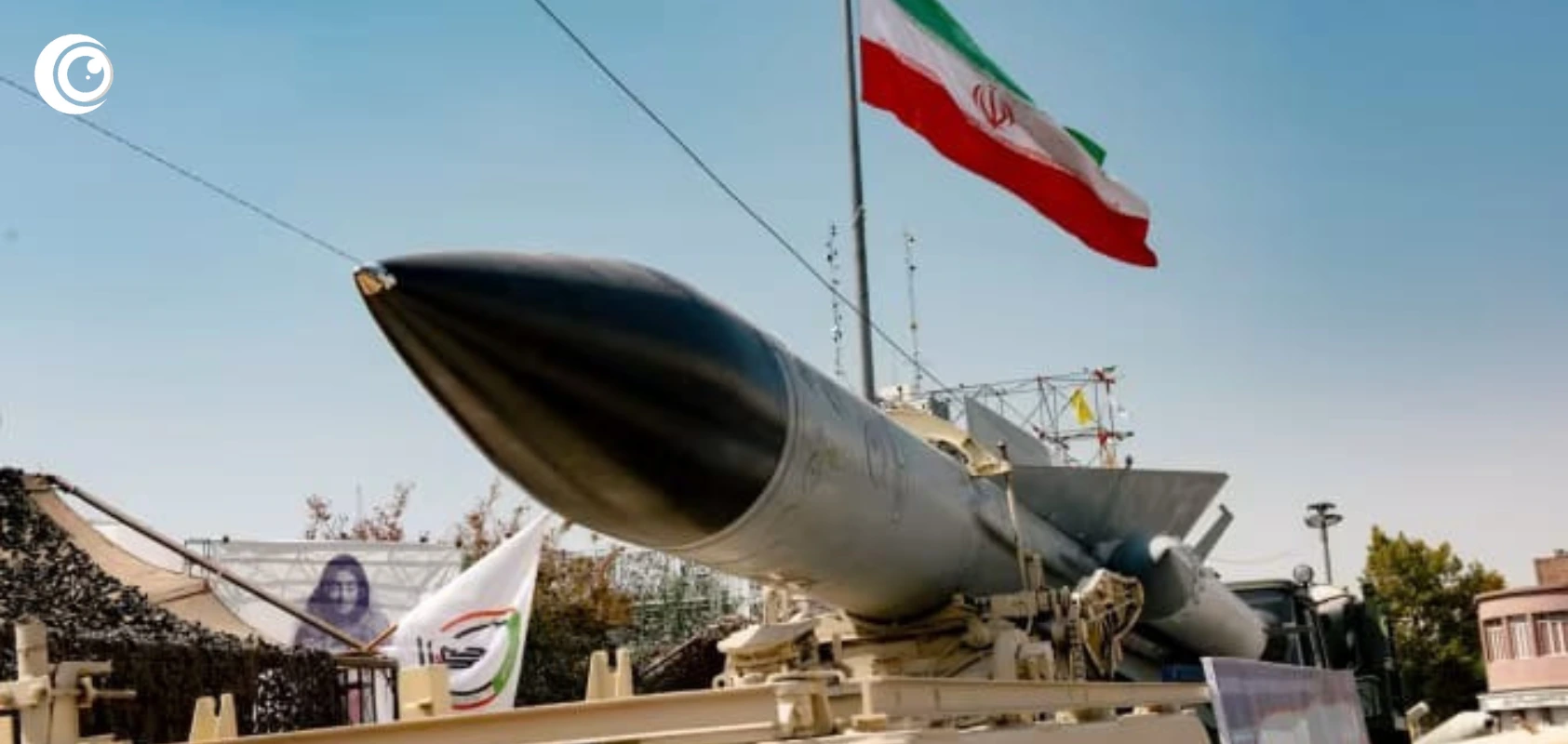
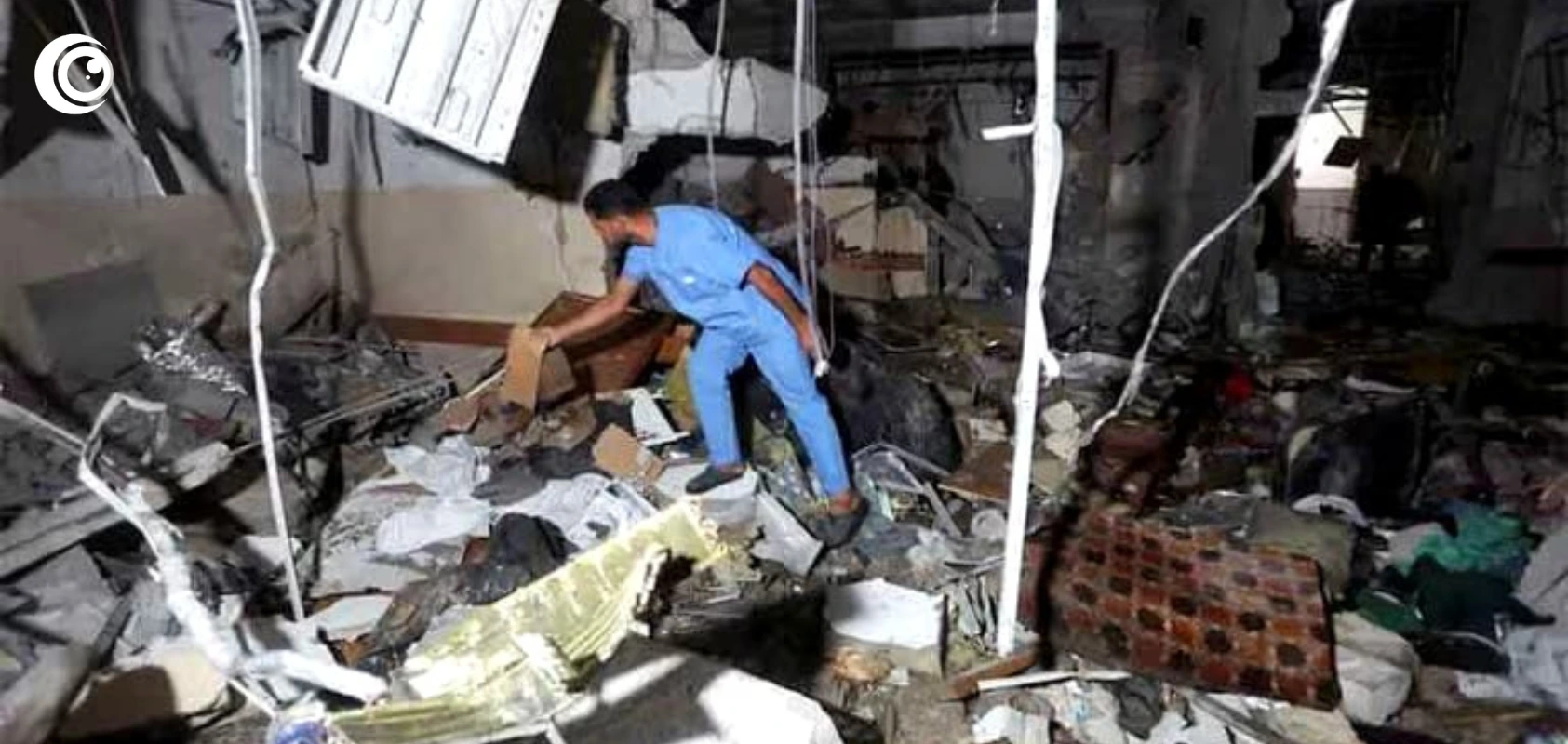


The United States has announced a reward of up to $20 million for information about Iran’s nuclear programme, despite repeated claims by President Donald Trump that American strikes had completely destroyed the country’s nuclear facilities.
US Central Command (CENTCOM) announced on Friday that the State Department’s Rewards for Justice programme was offering the bounty, alongside the possibility of relocation, in exchange for intelligence on Iran’s nuclear infrastructure, equipment and scientific personnel.
According to the announcement, Washington is seeking information about Iranian nuclear facilities, specialised equipment, individuals associated with the programme including members of the scientific community and the movement of relevant materials and personnel. The scope of the offer suggests that US authorities are seeking a detailed picture of Iran’s remaining nuclear infrastructure and the people involved in maintaining it.
The announcement comes months after Trump repeatedly described US strikes on Iranian nuclear facilities as a decisive success, claiming that the country’s nuclear programme had been “completely and totally obliterated”. His administration presented the attacks as having dealt a devastating blow to Tehran’s nuclear capabilities.
However, the new intelligence campaign raises questions about the extent of Washington’s knowledge of Iran’s nuclear infrastructure and the actual damage caused by the strikes. The US is not only seeking information about facilities but also about equipment, scientific personnel and the movement of materials suggesting that important questions about the programme’s remaining capabilities are still being investigated.
The State Department has also cited a loss of what it calls “continuity of knowledge” regarding Iran’s nuclear activities. It argues that Iran’s failure to comply with International Atomic Energy Agency (IAEA) safeguards has affected the agency’s ability to maintain a clear picture of the production and inventory of key components, including centrifuges used in uranium enrichment.
The $20 million offer does not, by itself, prove that the American strikes failed or that Iran’s entire nuclear programme remains intact. Nevertheless, the breadth of information being sought highlights Washington’s continuing efforts to establish what remains of Iran’s nuclear infrastructure, despite the administration’s confident public declarations.
The announcement places renewed scrutiny on the gap between Trump’s claims of total destruction and the US government’s ongoing search for intelligence about Iran’s nuclear facilities, equipment and scientific personnel. While Washington has portrayed the strikes as a conclusive achievement, its latest initiative suggests that significant questions about the state of Iran’s nuclear programme remain unresolved.