
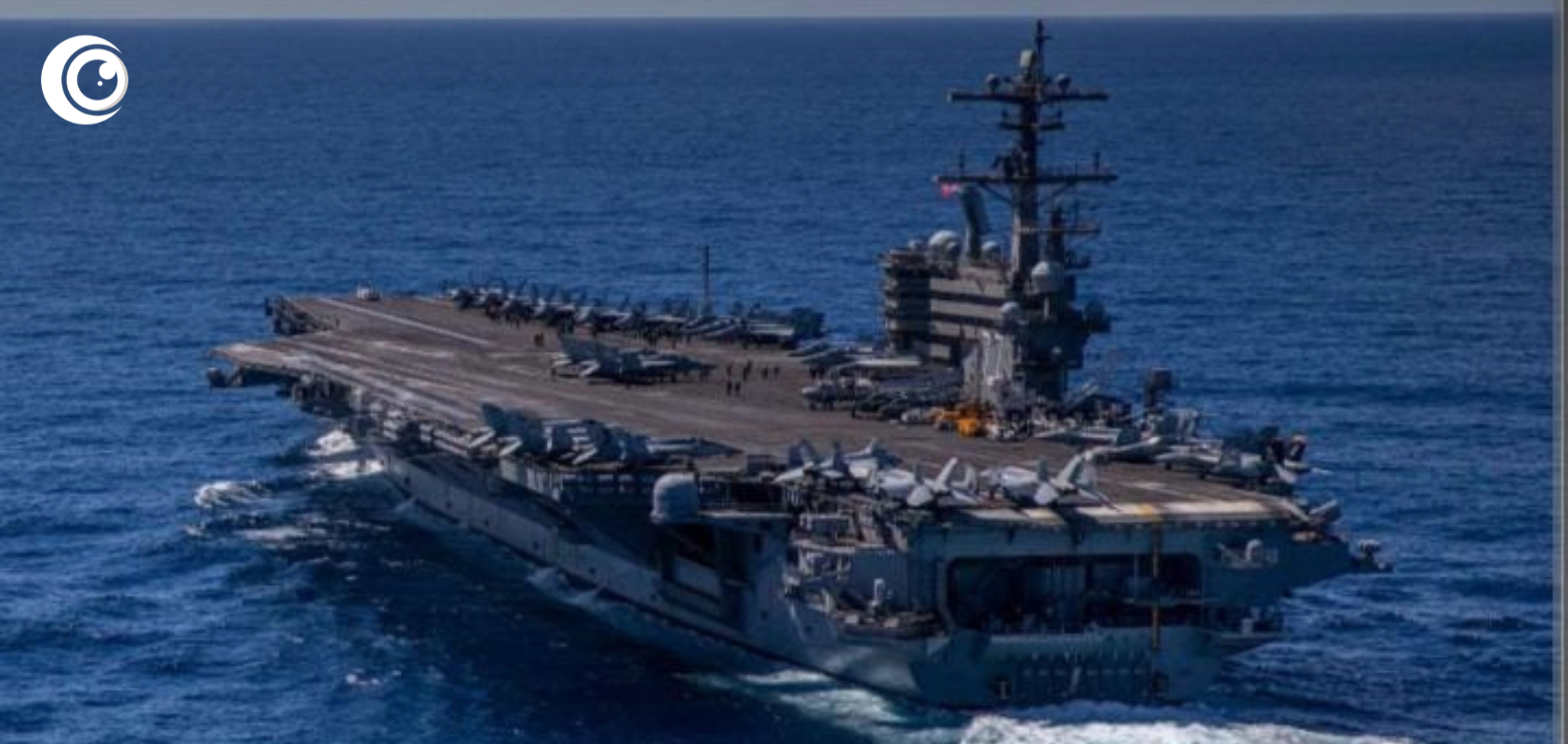
The Pentagon has instructed a second U.S. aircraft carrier strike group to prepare for potential deployment to West Asia to increase pressure on Iran amid ongoing negotiations, though President Donald Trump has not yet signed a formal order and could decide within hours. If approved, the USS George H.W. Bush would likely depart from the U.S. East Coast and join the USS Abraham Lincoln, already operating in the Middle East.
The move comes against a backdrop of heightened tensions between Washington and Tehran over Iran’s nuclear program, with indirect talks taking place in Muscat, Oman. U.S. officials have emphasized that diplomacy remains the preferred route, but preparations for military options are underway should negotiations fail.
For decades, the United States and Iran have been at odds over Tehran’s nuclear ambitions, regional influence, and support for proxy groups in conflicts across the Middle East. U.S. aircraft carriers have long been symbols of American military reach, often deployed to deter aggression and reassure allies. In recent years, the U.S. has periodically increased naval forces in the region during crises, including multiple carrier deployments amid tensions in Yemen and surrounding seas.
Currently, the USS Abraham Lincoln Carrier Strike Group is conducting routine operations in the Arabian Sea under U.S. Central Command. Three U.S. officials told the Wall Street Journal that the Pentagon has told the USS George H.W. Bush strike group to prepare for potential deployment within about two weeks of an official order. President Trump’s decision is pending, and plans could still change. A dual-carrier presence would be the first in the region since March 2025 when the USS Harry S. Truman and USS Carl Vinson operated together during activities around Yemen.
Strategically, adding a second carrier would serve as a powerful signal of U.S. resolve to both allies and adversaries in the Middle East. Aircraft carriers bring airpower, surveillance, and command capabilities that can influence regional calculations. Tehran may view the buildup as pressure to make concessions in talks, while U.S. partners such as Israel and Gulf states could see reassurance of American commitment to their security. However, the presence of large naval forces also carries risks of miscalculation or accidents that could escalate tensions further
Humanitarian concerns are intertwined with increased military posturing. Civilians in Iran and neighboring countries already affected by political and economic instability could feel heightened anxiety over the possibility of conflict. Any escalation involving air or naval strikes could lead to disruptions in regional commerce, including the globally important oil supply and shipping through the Strait of Hormuz. Legal scholars also note that international law requires clear justification for the use of force, and any military action would face scrutiny from global institutions and human rights groups.
Reactions have varied across the world. U.S. officials have stressed that diplomacy is still a priority and that the deployment is a contingency plan. President Trump told Israeli Prime Minister Benjamin Netanyahu that negotiations with Iran should continue, though he underscored that the U.S. is prepared for other outcomes if talks stall. Iran’s leadership has maintained its position against fully abandoning its nuclear enrichment rights, and warned of retaliation if attacked. Regional allies and rivals alike are watching closely, with some expressing concern about escalating tensions.
At present, no formal order has been signed for the second carrier to deploy, leaving the situation in flux. Officials have indicated that a decision could come within hours, and that preparations are well under way should the directive be issued. Observers expect continued diplomatic efforts alongside military readiness, as both sides assess their options amid fragile negotiations and strategic posturing.