
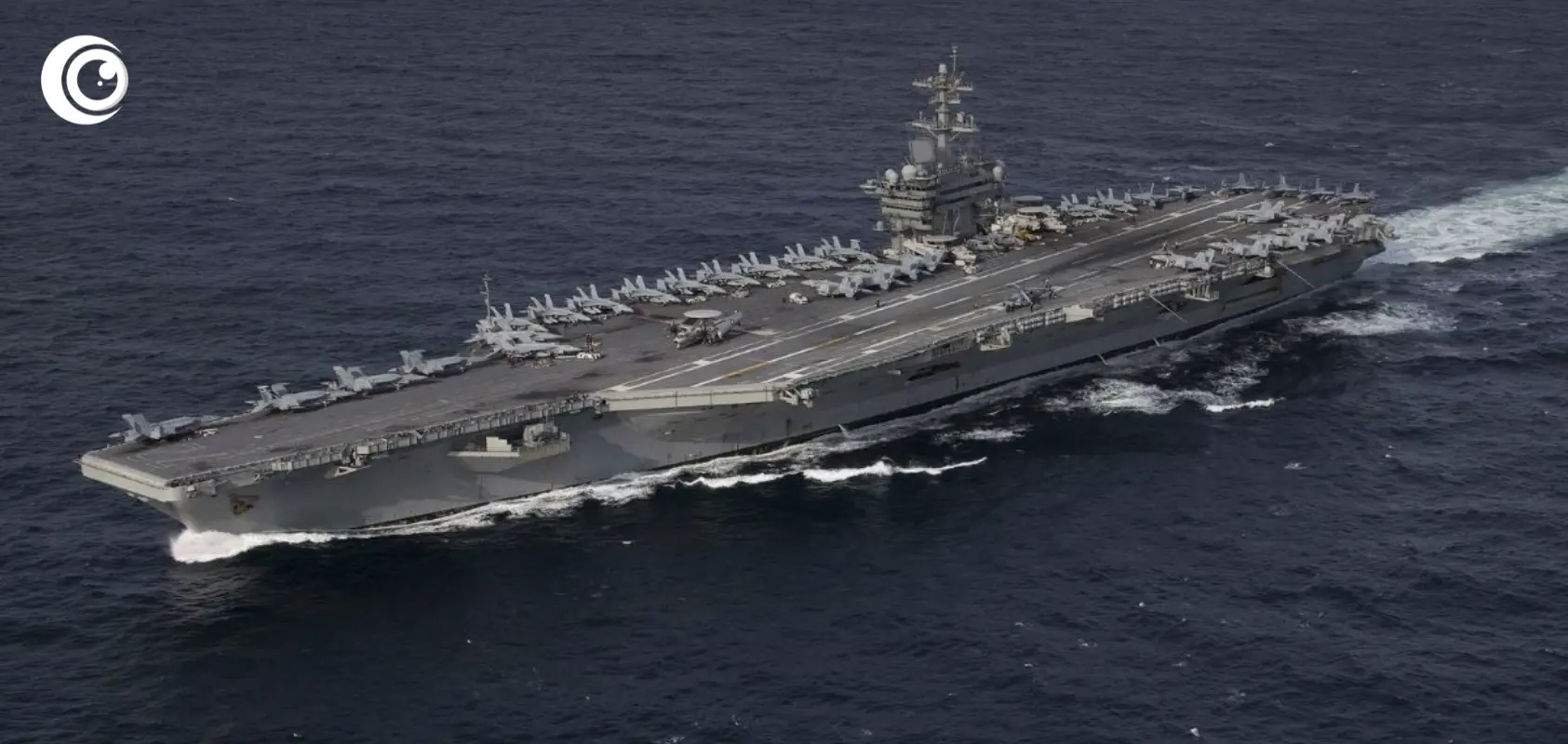

The Pentagon’s decision to redirect the USS Abraham Lincoln aircraft carrier strike group from the South China Sea to West Asia marks a sharp escalation in U.S. military posturing at a moment of extreme regional volatility. Officially framed as a precautionary move amid “threats against Iran,” the redeployment in practice restores American naval muscle to a theater where none was immediately present, following months in which carrier assets were deliberately positioned elsewhere. The timing, context, and beneficiaries of this move matter far beyond naval logistics.
This shift comes against a backdrop of sustained regional destabilization driven less by Iranian action than by a permissive international environment that has enabled Israel’s conduct across Palestine and neighboring fronts. For over a year, Israel has expanded military operations with near-total political and military immunity, ignoring binding international rulings, flattening civilian infrastructure, and enforcing a siege that humanitarian agencies have repeatedly warned amounts to collective punishment. The carrier’s movement toward West Asia is therefore not neutral deterrence; it is a signal that Washington is prepared to underwrite escalation while insulating Israel from consequences.
Until now, the absence of U.S. carriers in West Asia and Europe reflected a stretched American posture and a calculated attempt to avoid direct entanglement. That restraint has now been abandoned. By pulling the Abraham Lincoln from the South China Sea, the U.S. is prioritizing confrontation in a region already inflamed by Israel’s actions actions that violate not only international humanitarian law but also basic moral and religious principles shared across the Islamic world. These include the sanctity of civilian life, the prohibition of starvation as a weapon, and the inviolability of places of worship, all of which have been repeatedly breached.
At present, the carrier strike group is en route, with officials estimating a week-long transit. Its arrival will place advanced airpower, missile defense, and strike capabilities directly within the operational reach of Iran and its allies. This occurs while Israel continues to expand illegal settlements, conduct raids on Al-Aqsa Mosque under armed protection, restrict access to Christian and Muslim holy sites, and obstruct humanitarian aid into Gaza despite clear warnings of famine. These are not isolated excesses; they are systematic policies that erode any claim to self-defense and instead point to domination and erasure.
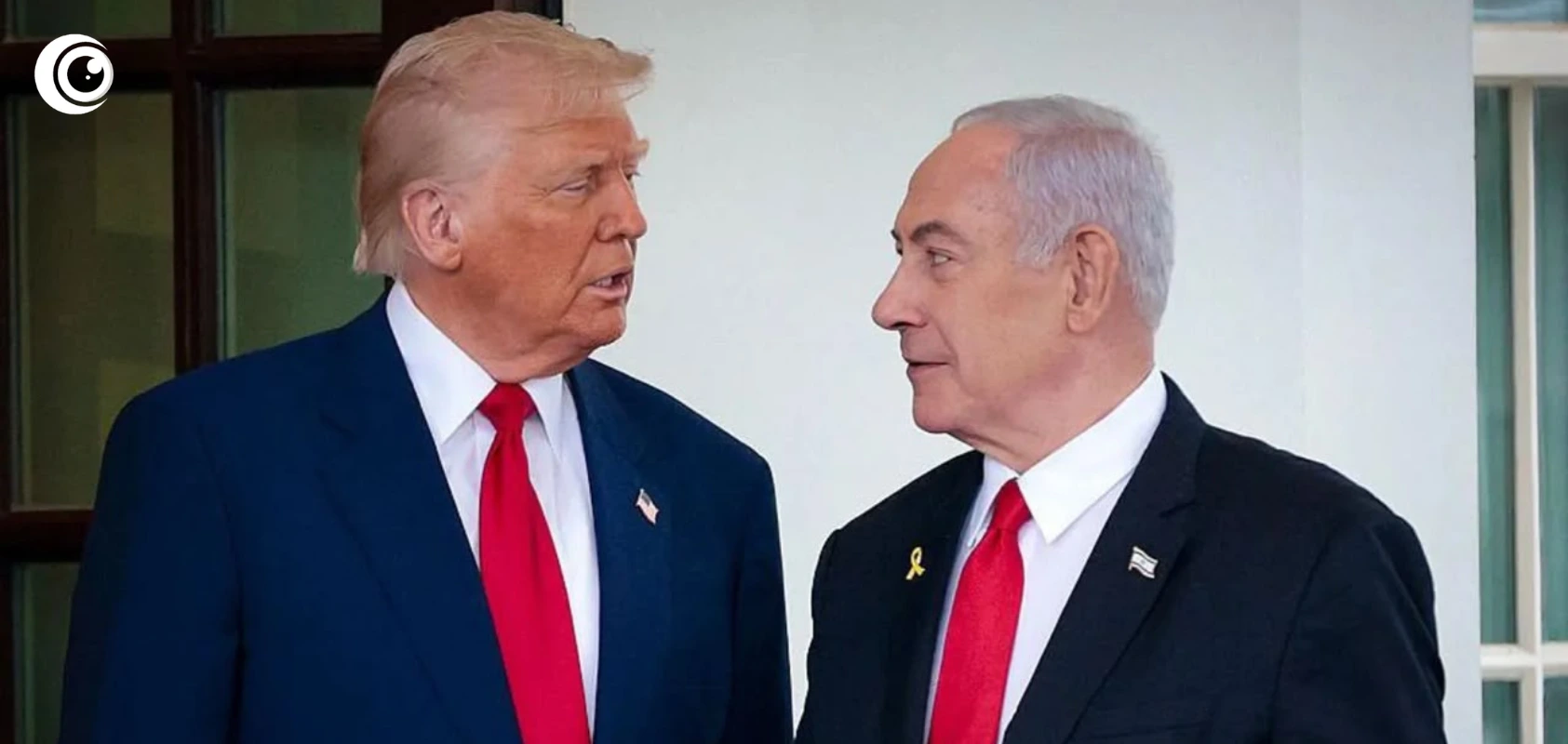
Strategically, the redeployment deepens a dangerous imbalance. It reassures Israel that escalation will be met with Western backing, discourages diplomatic restraint, and signals to regional actors that international law is selectively applied. It also revives the logic of “maximum pressure” associated with earlier U.S. administrations, where military intimidation replaced diplomacy and allies were granted a free hand. The darker side of that approach is now evident: rather than deterring conflict, it has normalized impunity and widened the circle of violence.
The humanitarian consequences are inseparable from this military calculus. Every additional show of force that shields Israel prolongs civilian suffering in Gaza and the West Bank, where hospitals have been attacked, aid convoys delayed or denied, and entire populations subjected to siege. From an Islamic ethical perspective, these acts violate core principles of justice , mercy , and the protection of the innocent. From a human standpoint, they represent a collapse of the most basic norms governing war. Supporting or enabling such conduct implicates not only Israel but every state that provides it with diplomatic cover, weapons, or strategic protection.
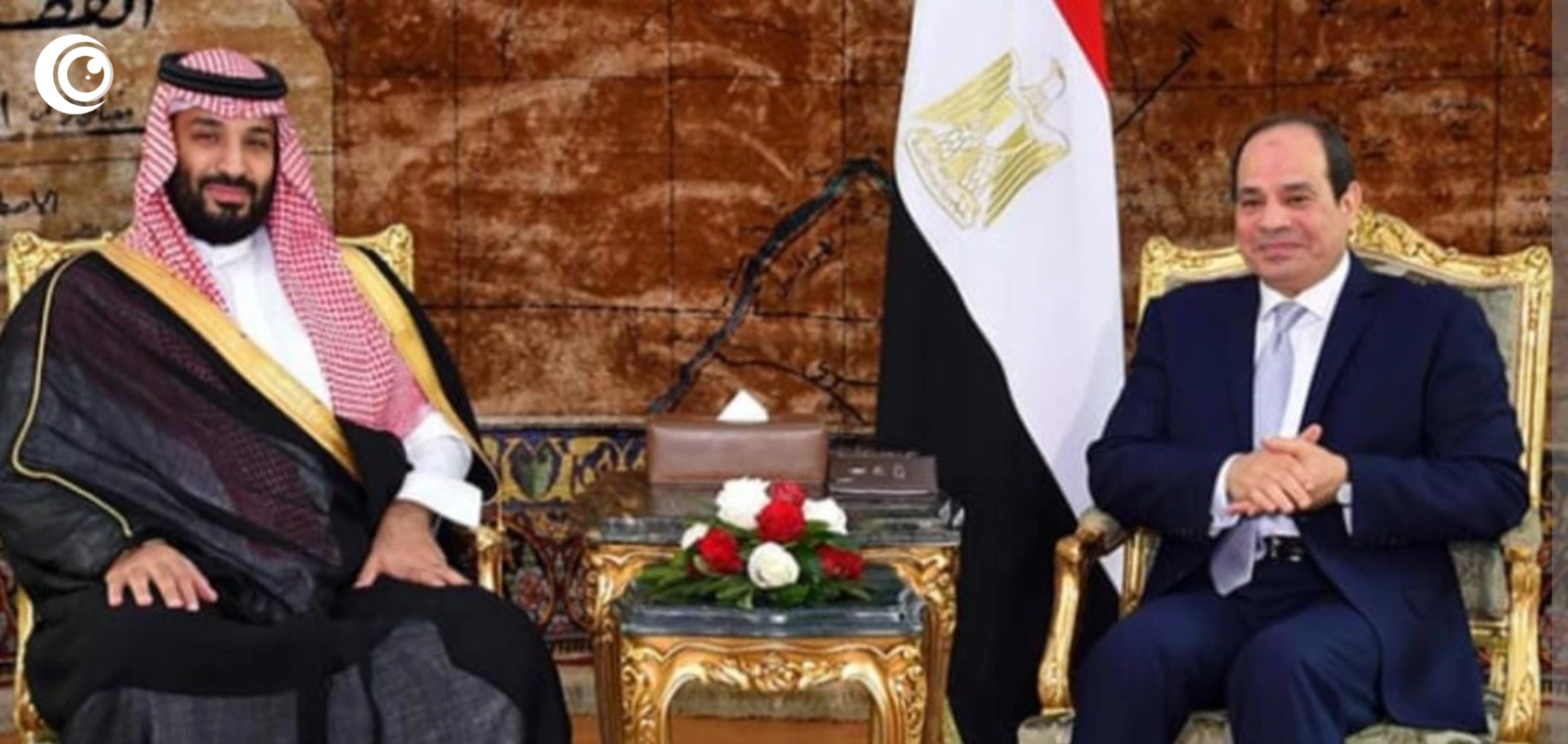
Regional actors are watching closely. Arab governments that continue security cooperation or normalization with Israel now do so under the shadow of a U.S. military umbrella that prioritizes power over principle. Their silence in the face of mass civilian harm stands in stark contrast to the values they publicly claim to uphold. Meanwhile, global reactions remain divided: rights organizations continue to document violations, while Western capitals offer statements of concern paired with material support.
As of now, the Abraham Lincoln’s course is set, tensions with Iran remain high, and Israel shows no sign of altering its conduct. What comes next will depend on whether military posturing continues to override accountability. If this redeployment reinforces the belief that force can substitute for law and morality, the result will not be stability but a deeper, more dangerous rupture one for which responsibility will extend well beyond the battlefield.