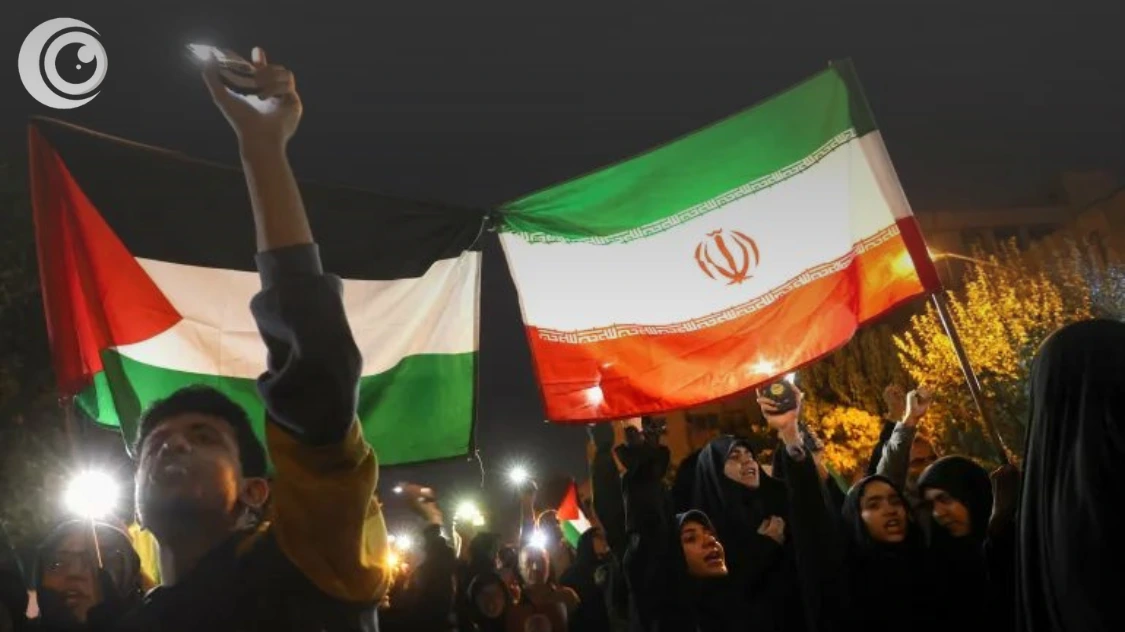
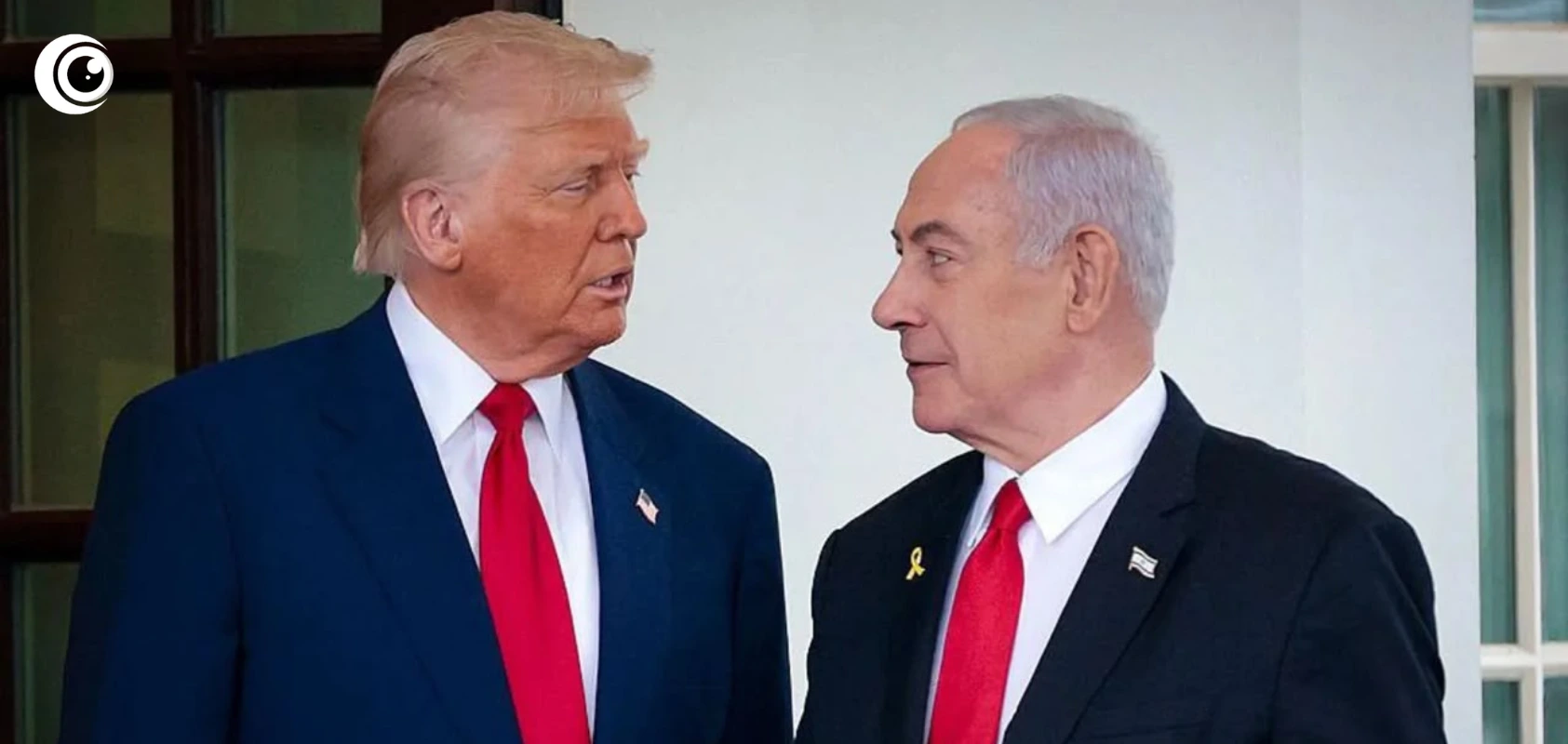
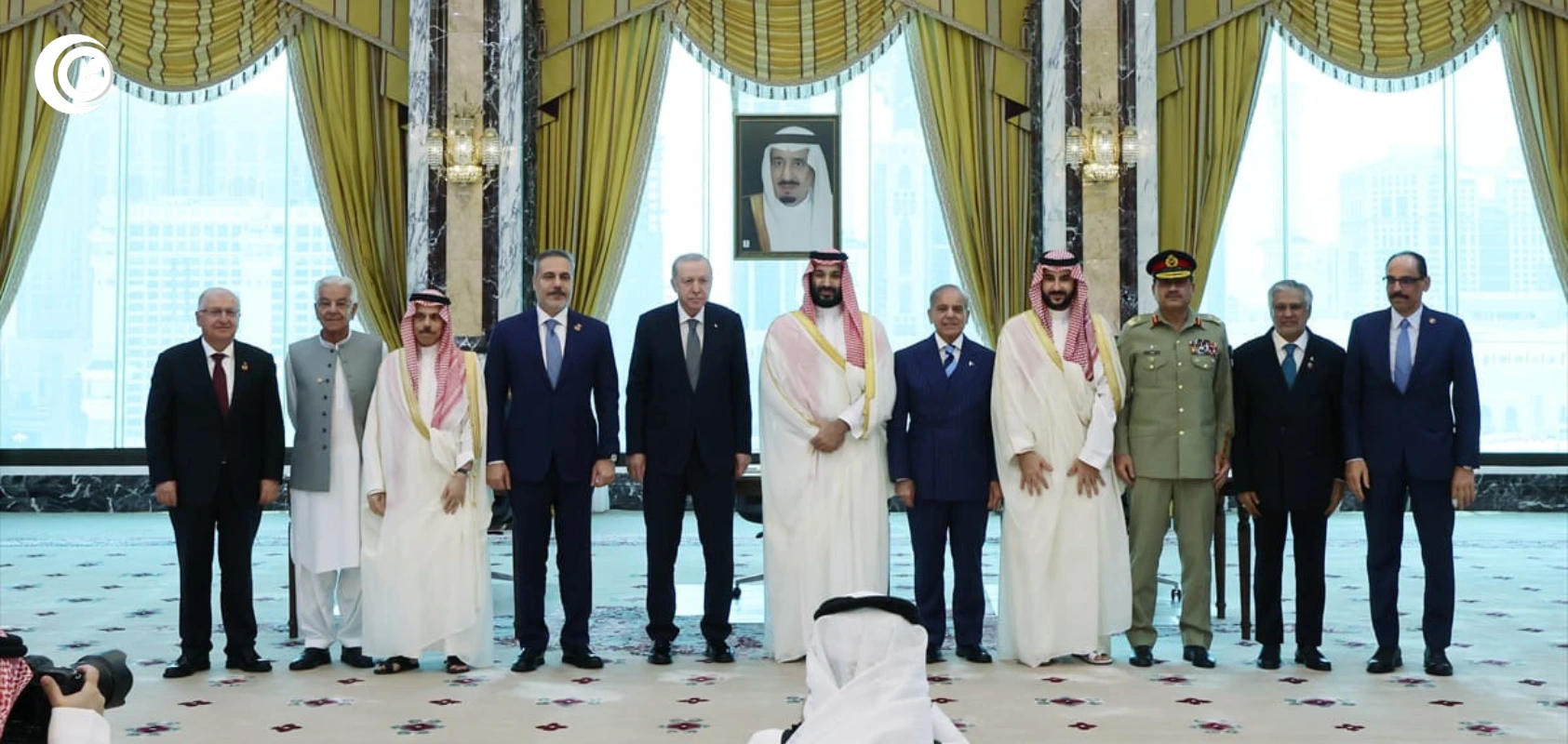
In a significant development, Iranian President Masoud Pezeshkian has called on Muslim countries to move beyond mere verbal condemnations and take concrete actions to counter Israeli aggression. Speaking at an emergency summit in Doha, convened in response to Israel’s recent strike on Hamas leaders, Pezeshkian emphasized the necessity for a unified Islamic front to address the ongoing crisis in Gaza and the broader region.
The Iranian president’s call for unity underscores the urgency of collective action among Muslim nations to address the escalating situation. He highlighted the need for a joint operations center to coordinate efforts and respond effectively to Israeli actions.
The recent Israeli airstrike in Doha, which resulted in the deaths of several Hamas members and a Qatari security officer, has intensified regional tensions. Qatar, a key mediator in the Israel-Hamas conflict, severed all ties with Israel in response to the attack. Other Gulf nations, including the UAE and Saudi Arabia, have expressed severe concern and issued diplomatic protests. However, despite strong condemnations, no unified actions have been agreed upon due to differing positions and concerns about antagonizing the United States.
Iran’s call for a joint operations center aims to facilitate coordinated military and humanitarian responses to Israeli actions. The proposed center would serve as a hub for strategic planning and resource allocation, ensuring a unified approach to the crisis. This initiative reflects Iran’s commitment to supporting Palestine and countering Israeli aggression through collective Muslim action.
The strategic implications of this proposal are significant. A unified Muslim military alliance could alter the balance of power in the region, potentially deterring further Israeli actions and providing a platform for collective defense. Additionally, such an alliance could strengthen economic and political ties among Muslim nations, fostering greater regional stability.
The humanitarian impact of Israeli actions in Gaza has been devastating. Reports indicate that over 64,000 Palestinians have been killed, with entire neighborhoods flattened and critical infrastructure destroyed. Hospitals and schools have been targeted, exacerbating the suffering of civilians. The international community has condemned these actions as violations of international law, yet concrete measures to address the crisis remain limited.
Regional actors have responded with a mix of condemnation and calls for action. Qatar has severed ties with Israel and called for concrete measures against the regime. The UAE and Saudi Arabia have issued diplomatic protests and expressed concern over the lack of prior notification of the Israeli strike. Despite these statements, no unified actions have been agreed upon, highlighting the challenges in achieving consensus among Muslim nations.
In conclusion, while the call for a joint operations center represents a significant step toward Muslim unity in addressing Israeli aggression, the path forward remains fraught with challenges. The differing positions among Muslim nations and the influence of external powers complicate efforts to form a cohesive response. Nevertheless, the urgency of the situation underscores the need for decisive action to support Palestine and uphold the principles of justice and solidarity.