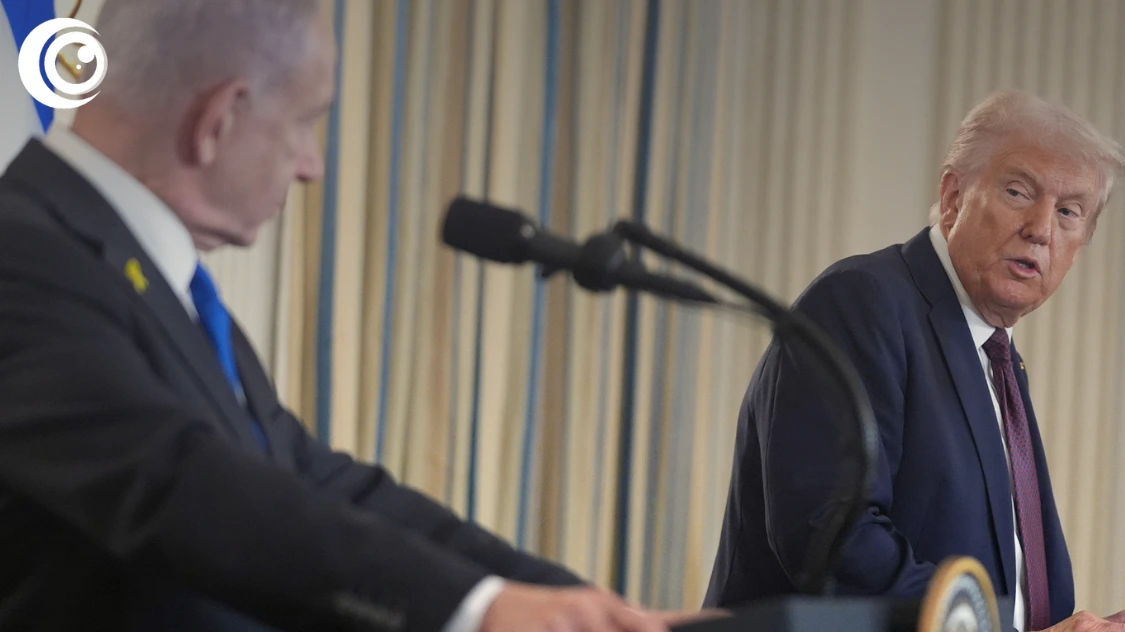
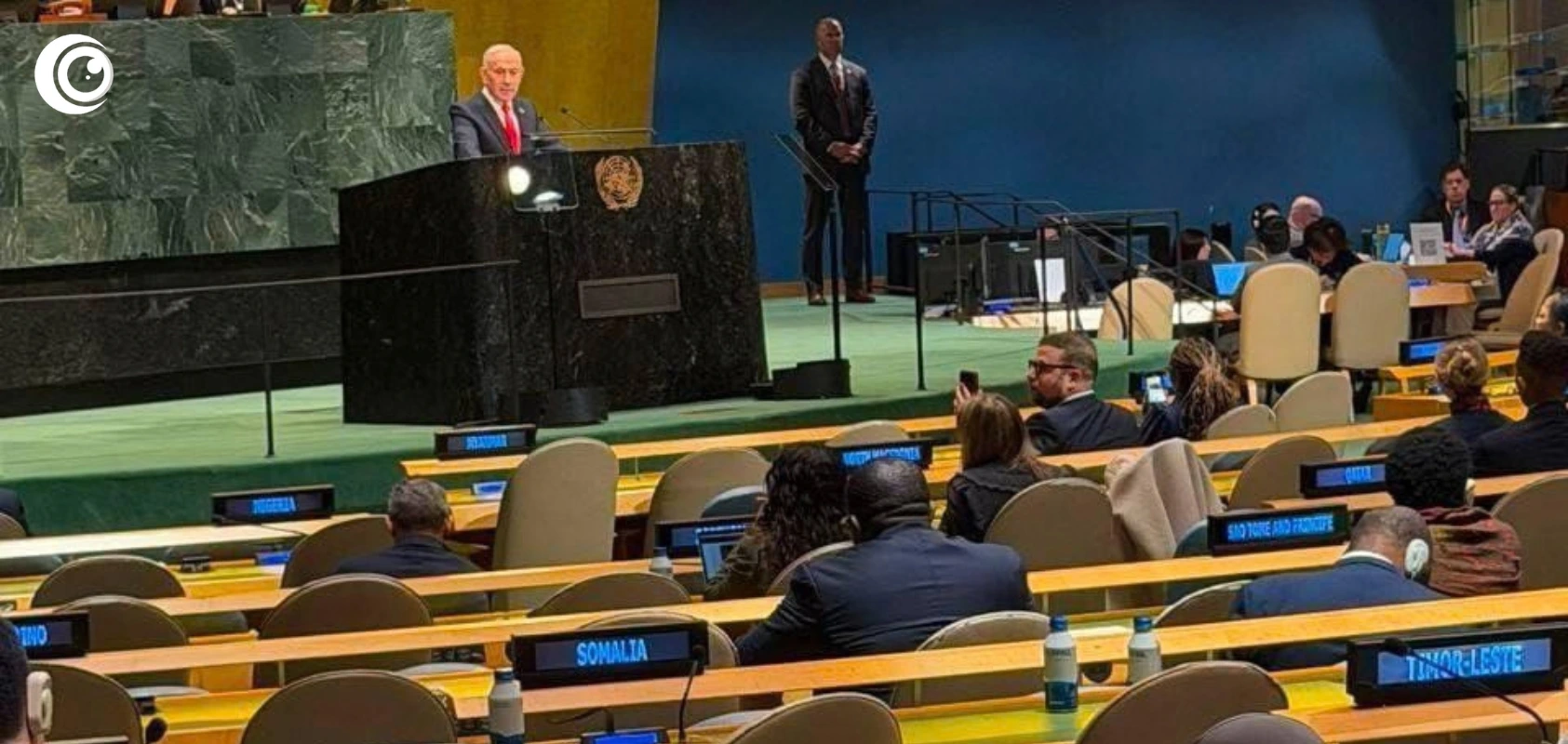
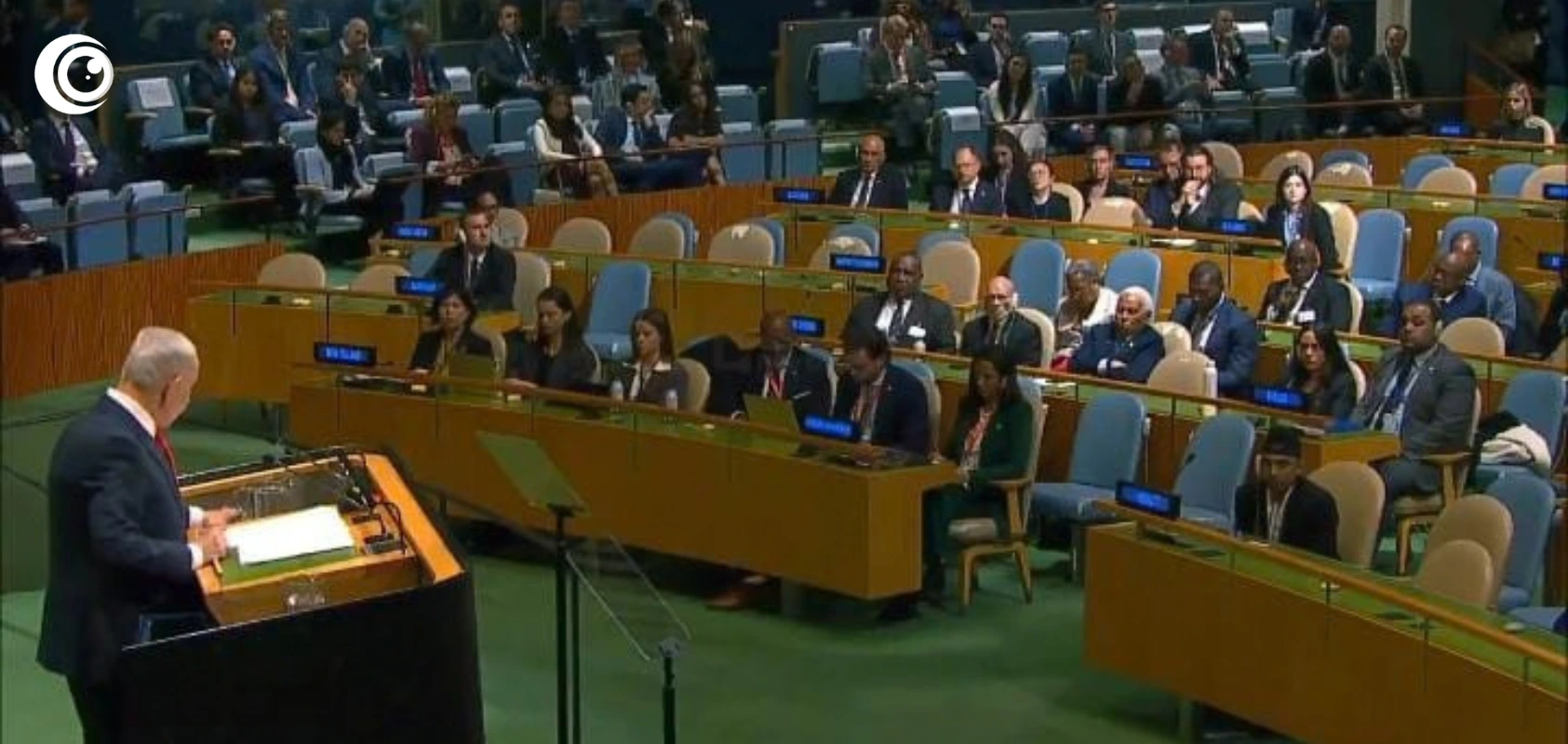
Jerusalem – Hours after publicly endorsing the U.S.-crafted Gaza peace plan, which explicitly included a staged withdrawal of Israeli forces from Gaza following the release of Israeli captives, Prime Minister Benjamin Netanyahu announced that Israeli forces would not leave the territory. The abrupt reversal exposes a deep hypocrisy reminiscent of previous ceasefire agreements, where promises of restraint were later abandoned, leaving civilians in Gaza at the mercy of continued occupation and military aggression.
The Trump-backed plan, unveiled on Monday, outlined a three-stage withdrawal for the Israeli army, culminating in a “security buffer zone” along Gaza’s edges. It also envisioned the gradual handover of territory to an International Stabilisation Force (ISF), with the ultimate goal of Israel’s complete withdrawal from Gaza, save for a perimeter intended to protect against renewed attacks. Despite these assurances, Netanyahu’s immediate repudiation of withdrawal, even before any stage of the plan could begin, reflects a longstanding pattern of disregarding both international law and humanitarian norms.
Gaza has long endured systematic hardships imposed by the Israeli occupation. The blockade, targeted airstrikes, and repeated military incursions have devastated civilian infrastructure, leaving hospitals, schools, and water systems crippled. The plan’s promise of withdrawal and international oversight is now overshadowed by Netanyahu’s declaration, further imperiling civilians who remain trapped under siege conditions.
The political backlash within Israel itself underscores the tension. Finance Minister Bezalel Smotrich condemned the peace plan as a “betrayal,” objecting to any language suggesting Israel would not annex or occupy Gaza permanently. The internal discord exposes the reality that Israeli domestic politics often prioritize territorial and military ambitions over genuine peace, leaving international frameworks and promises as mere tools for public optics.
Globally, Netanyahu’s announcement has illuminated the complicity of countries that have supported or facilitated the Gaza occupation. The United States, which actively designed and promoted the peace plan, faces criticism for failing to hold Israel accountable for immediate compliance. European powers, including the United Kingdom, and Arab regimes that publicly claim solidarity with Palestinians yet maintain economic, military, or diplomatic ties with Israel, are similarly exposed.
Strategically, Israel’s defiance risks destabilizing the region further. Rather than easing tensions, it signals that military occupation and asymmetric force remain acceptable tools, undermining the credibility of international law and diplomatic mediation. Countries that have endorsed or normalized relations with Israel amid its continued aggression Egypt, UAE, Bahrain, and others are tacitly endorsing these violations.
For civilians in Gaza, the humanitarian consequences are immediate and catastrophic. The repeated cycles of promised withdrawal and continued military presence exacerbate displacement, psychological trauma, and shortages of essential supplies. The “security buffer zones” touted as protective measures by Israel are, in reality, another mechanism to control, confine, and terrorize populations already living under siege.
As of now, the Trump-endorsed plan remains largely theoretical, overshadowed by Israel’s outright refusal to implement its provisions. While global statements of condemnation and calls for accountability continue, the people of Gaza remain exposed to the consequences of broken promises and international complicity.
Unless there is a tangible shift in both Israeli policy and the posture of its international supporters, the Gaza peace plan risks being remembered not as a blueprint for resolution but as a stark example of hypocrisy, betrayal, and the ongoing failure of the global community to safeguard human dignity.