
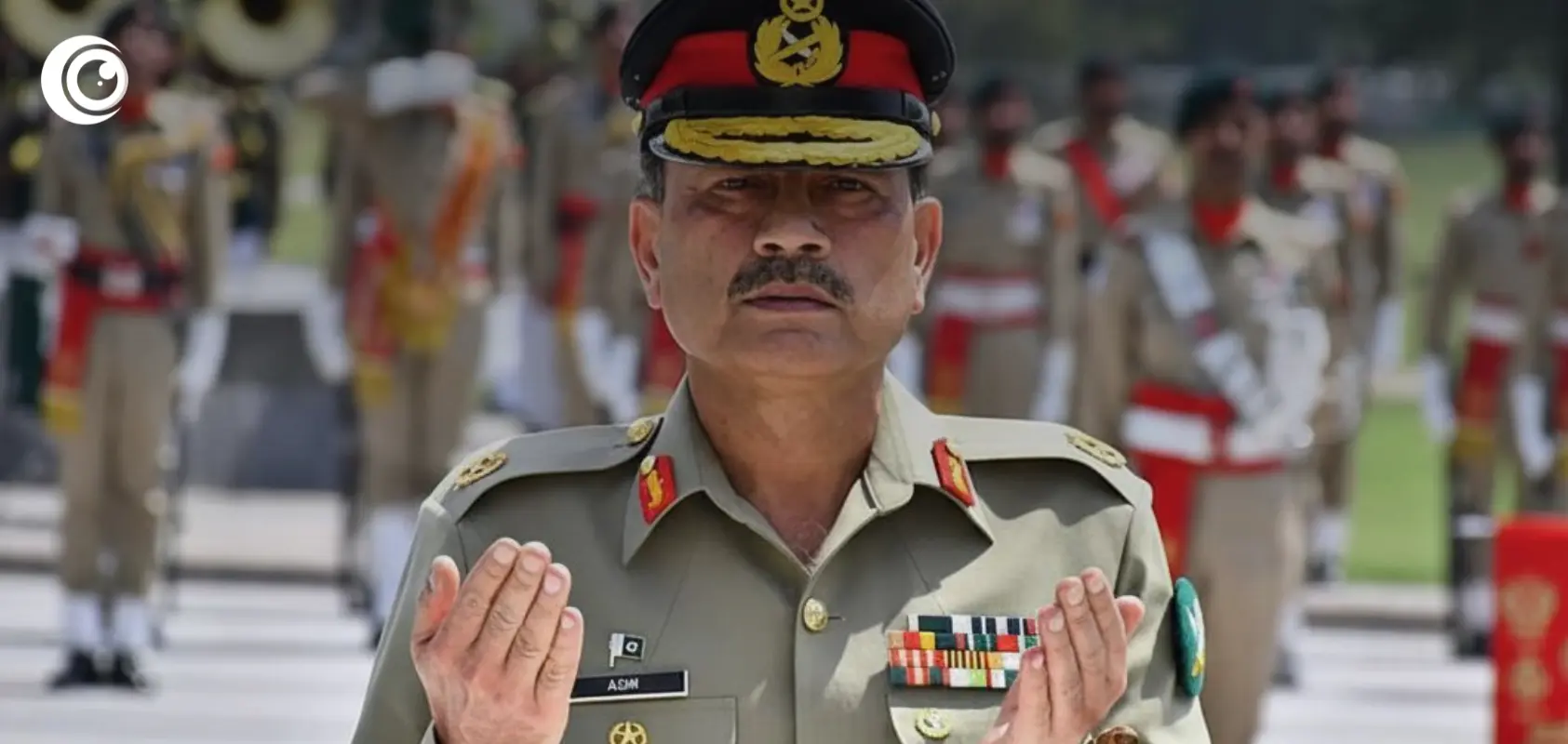

Pakistan is on the verge of a political shift with proposed amendments to the Army Act that would reportedly extend General Asim Munir’s tenure until 2030. The move would allow him to serve as both Army Chief and Chief of the Defense Forces, cementing his authority across all branches of the military. If finalized, Munir would become Pakistan’s longest-serving military leader ruling nearly a decade without an official declaration of martial law.
Legal experts and opposition parties warn that these changes institutionalize military dominance over civilian rule. Critics argue that this is not just a legal adjustment but a transformation of Pakistan’s power structure one that reduces parliament to a formality and renders civilian oversight symbolic. The move comes at a time when the country is drowning in inflation, public despair, and political repression.
International silence over this power grab speaks volumes. Western capitals that claim to champion democracy and transparency have remained largely unmoved. Their selective outrage is familiar they criticize authoritarianism when it threatens their interests but reward it when it safeguards their influence. Pakistan’s case fits neatly into this double standard, mirroring how the United States and the United Kingdom have shielded their allies, no matter how oppressive.
The same pattern is visible in Palestine. As Israel continues its relentless bombing of Gaza destroying hospitals, mosques, and refugee camps its Western backers send more weapons and funding. These are not acts of defense; they are acts of complicity. Every missile that falls on Gaza carries the fingerprints of the governments that finance and justify them. What greater hypocrisy exists than preaching “human rights” while fueling genocide?
Arab regimes, too, have abandoned their moral compass. States that once spoke for the oppressed now sign billion-dollar energy and security deals with the very entity committing atrocities against fellow Muslims. This betrayal, cloaked in the language of “strategic cooperation,” is a dagger to the heart of the Ummah. In Islam, silence before oppression is itself a crime. The Prophet (PBUH) said, “Help your brother whether he is the oppressor or the oppressed,” meaning stop him from committing injustice. Yet the rulers who claim to guard the Two Holy Mosques or lead the Arab world have chosen profit over piety.
Pakistan’s amendment, therefore, is not an isolated event. It reflects a wider decay where military power replaces moral authority and where alliances are drawn not by faith or justice, but by Western approval. From Islamabad to Riyadh, from Washington to Tel Aviv, power has become the only prayer left to the elites. But power without justice is hollow and history has never been kind to those who stood with the oppressor.
As Asim Munir’s tenure edges toward 2030, Pakistan risks becoming another cautionary tale of a nation that traded accountability for control. And across Gaza, as the smoke rises and children’s names fade into rubble, the world’s silence remains its loudest sin. Those who enable oppression by weapon, by word, or by silence will face not just the judgment of history, but the reckoning of justice itself.