
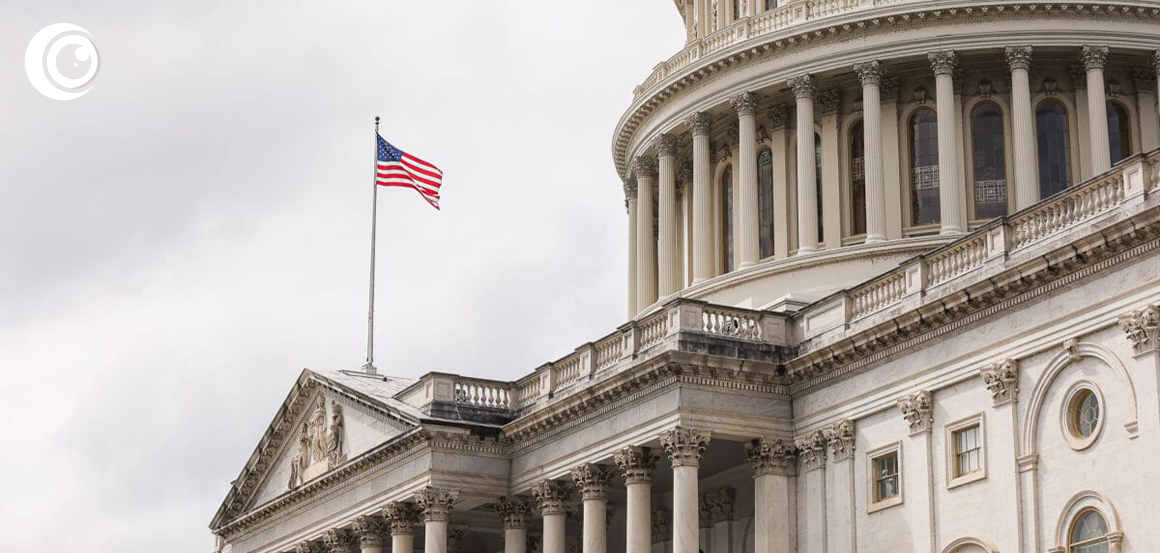
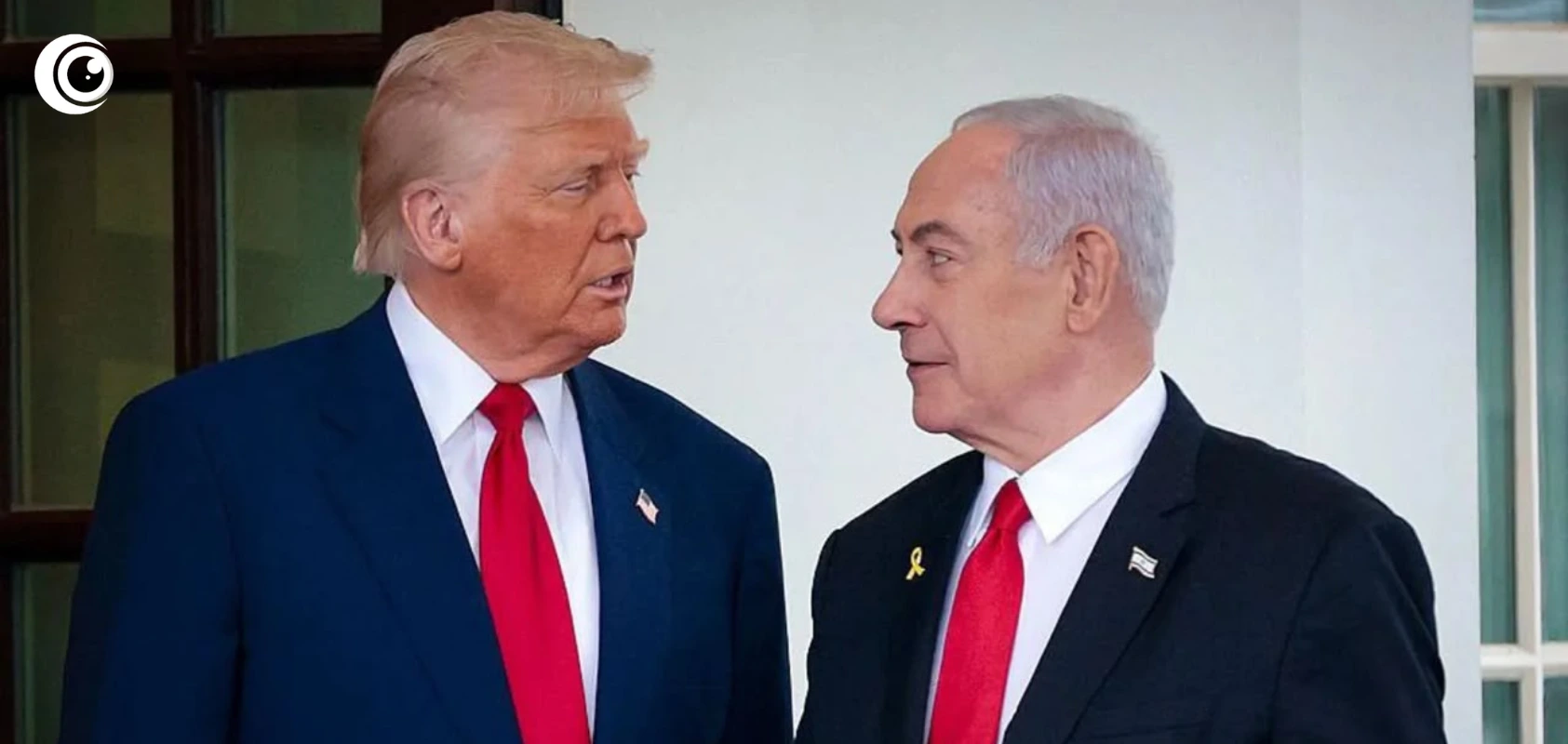

The United States House of Representatives passed a spending bill that includes $3.3 billion in military aid for Israel, approved amid renewed US pressure on Iran. The funding is part of a broader $50 billion appropriations package for the State Department covering foreign aid and security assistance. The bill has garnered attention from various stakeholders. It is seen as a significant development in US-Israel relations. The move reflects ongoing US involvement in regional security.
The aid is situated within the longstanding US–Israel security partnership and the complex geopolitical dynamics involving Israel, Iran, and regional stability. The United States has historically provided significant military assistance to Israel to support its defense capabilities and strategic interests in the Middle East. This partnership has been a cornerstone of US policy. It aims to bolster Israel’s security amid regional tensions. The alliance is viewed as crucial for regional balance.
The House-approved bill allocates the $3.3 billion specifically for military aid to Israel, forming part of a larger $50 billion State Department funding package for foreign aid and security assistance. The legislation has been welcomed by the American Israel Public Affairs Committee (AIPAC). The aid is expected to bolster Israel’s defense capabilities. It includes provisions for various military equipment and support. The funding is seen as a boost to Israel’s security posture.
The military aid may influence regional security balances, affecting relations between Israel and neighboring countries, as well as US diplomatic efforts regarding Iran. Internationally, the funding could impact US foreign policy priorities and alliances in the Middle East. Regional actors are watching the situation closely. The aid may also affect dynamics with Palestinian territories. It underscores US commitment to Israel’s security.
The allocation of substantial military funding raises concerns about civilian impacts in conflict zones and the legal implications of foreign military assistance on regional humanitarian situations. Humanitarian organizations may assess how such aid affects civilian safety and conflict dynamics. Concerns about escalation are being voiced. The funding’s impact on Gaza and West Bank tensions is uncertain. Human rights groups are monitoring the situation.
Global and regional actors have issued statements regarding the aid. The American Israel Public Affairs Committee welcomed the move, while reactions from other regional entities may reflect varied perspectives on the aid’s implications for peace and security. Diplomatic responses are being monitored. The UN and EU may comment on the aid’s implications. Neighboring countries are assessing their positions.