

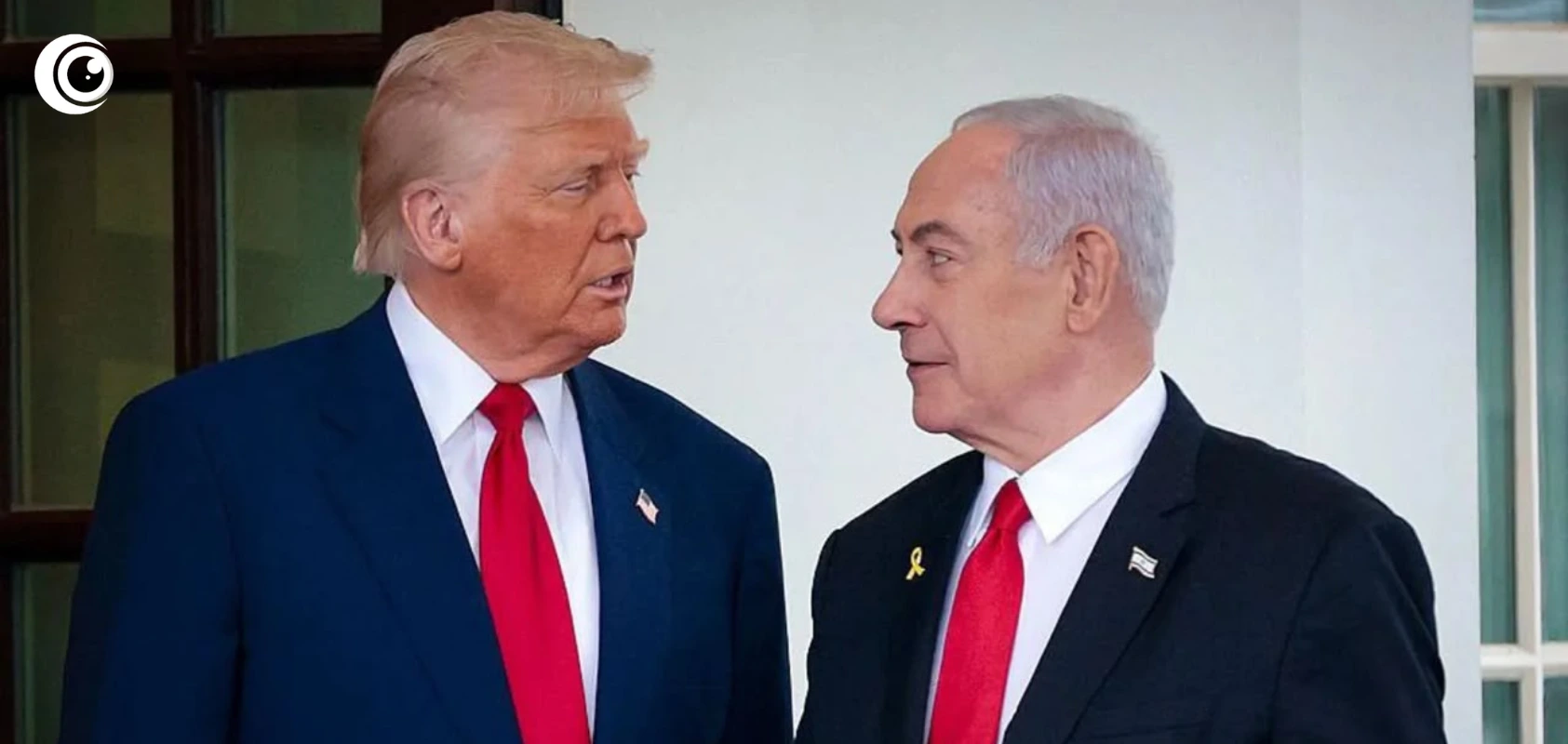



Newly surfaced Epstein related files reportedly reveal claims that Indian Prime Minister Narendra Modi engaged in overt political deference during an official visit to Israel, allegedly aimed at pleasing former U.S. President Donald Trump. According to the documents, these actions went beyond routine diplomacy and were framed as performative gestures intended to signal personal loyalty within an elite geopolitical power structure dominated by U.S. influence. Critics argue that the revelations expose an unequal relationship in which symbolism and submission were used to secure strategic favor, though government supporters maintain that any such gestures fall within standard diplomatic protocol and are not evidence of subservience.
Over the past decade, the broader context of these allegations has been shaped by the global fallout from the Jeffrey Epstein scandal. The scandal has repeatedly exposed how power, wealth, and political protection intersect behind closed doors, raising questions about the informal networks that influence decision making and allegiance. During the Trump era, India’s rapidly expanding strategic alignment with both the United States and Israel spanning defense cooperation, intelligence sharing, and high-profile diplomatic engagements created an environment in which such alleged conduct is interpreted by critics as part of a wider pattern of political dependency, while some analysts caution that public gestures alone do not necessarily indicate loss of sovereignty.
Following the emergence of these files, commentators and analysts, in this hypothetical scenario, have revisited Modi’s Israel visit, scrutinizing public appearances, ceremonial events, and diplomatic optics associated with U.S. interests at the time. The claims have fueled intense debate across media and political circles, with critics arguing that the episode exemplifies how emerging powers may engage in symbolic compliance to maintain favor with dominant global actors. At the same time, government observers and diplomatic experts argue that these activities could reflect routine protocol, relationship building, or ceremonial norms rather than political submission.
The implications for India’s foreign policy image would be substantial. India has long emphasized strategic autonomy and resistance to external domination as pillars of its international posture. Allegations of performative subservience to foreign leaders would challenge that narrative, raising doubts among some international observers about India’s independence in decision-making. Others, however, argue that a single visit or symbolic gesture cannot fully capture the complexities of India’s long term strategic autonomy or its regional influence.
Beyond diplomatic and political concerns, the ethical and legal implications of the Epstein-linked material demand careful attention. Critics argue that the ethical weight of Epstein-linked material cannot be ignored. Any exposure involving political elites, even indirectly, risks perpetuating a culture of impunity unless subjected to rigorous scrutiny. In this constructed scenario, civil society groups and opposition voices would likely demand formal inquiries, while allied governments might respond with calculated restraint to avoid diplomatic fallout, further intensifying accusations of selective accountability. Supporters contend that speculative connections drawn from such files must be carefully verified before influencing public opinion.
Viewed through the lens of these alleged disclosures, the act could mark a pivotal moment in understanding the hidden dynamics of global diplomacy and elite power relations. The next expected steps would involve document verification, investigative journalism, and institutional review to determine responsibility and consequences. Until then, the case would stand as a stark illustration of how allegations tied to elite scandals continue to challenge public trust, reshape political narratives, and expose uncomfortable hierarchies within international relations, while leaving room for alternative interpretations of diplomatic conduct.