

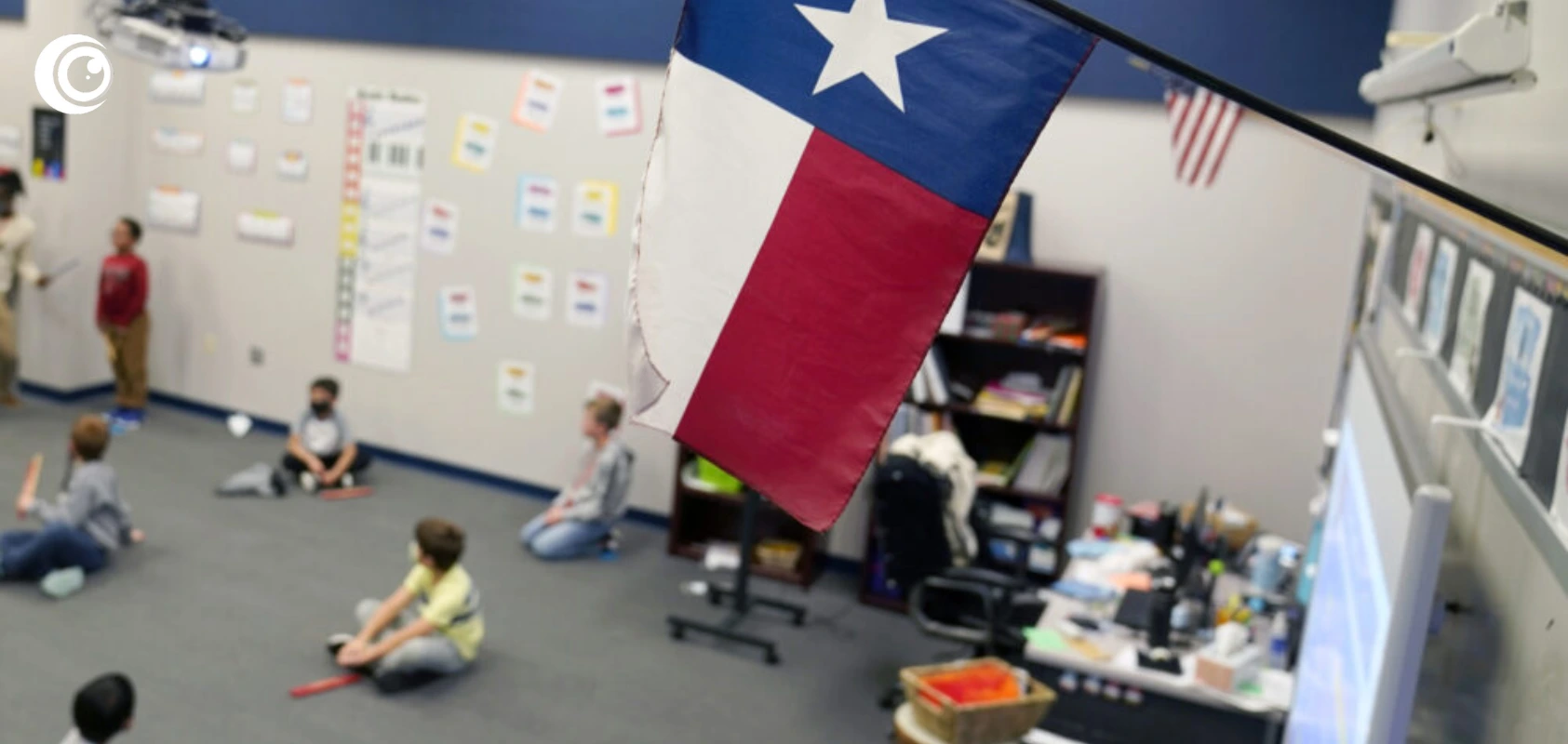
China has announced $200,000 in emergency humanitarian assistance for the families of Iranian students who were killed during an Israeli strike on Shajareh Tayyebeh elementary school in Minab, Hormozgan Province. The aid was confirmed by the Red Cross Society of China on 13 March 2026, which stated that the funds would be transferred to the Iranian Red Crescent Society to support the parents and relatives of the young victims.
The financial assistance is specifically intended as condolences and compensation for the families of the students who lost their lives in the attack. The victims were primarily young girls between the ages of 7 and 12, whose deaths have deeply shocked communities across Iran and triggered widespread condemnation of the strike.
Reports from Iranian media outlets and humanitarian organizations indicate that between 160 and 170 people were killed in the attack on 28 February 2026, making it one of the most tragic incidents of the recent confrontation. For many in Iran, the strike on an elementary school represents a devastating example of how the conflict has directly impacted civilians and children.
The killing of students has also sparked strong criticism of Israel’s conduct during the conflict. Many observers and officials in Iran have described the targeting that resulted in the deaths of students as a serious violation of international humanitarian law, arguing that killing unarmed civilians and young students constitutes both a war crime and a crime against humanity. The incident has therefore intensified calls for accountability and international scrutiny over actions that place civilians in harm’s way.
Chinese officials framed the aid as a humanitarian gesture of solidarity with the Iranian people during a moment of profound national grief. The assistance was coordinated through humanitarian channels, with Beijing emphasizing support for the victims’ families and recognition of the suffering caused by the incident.
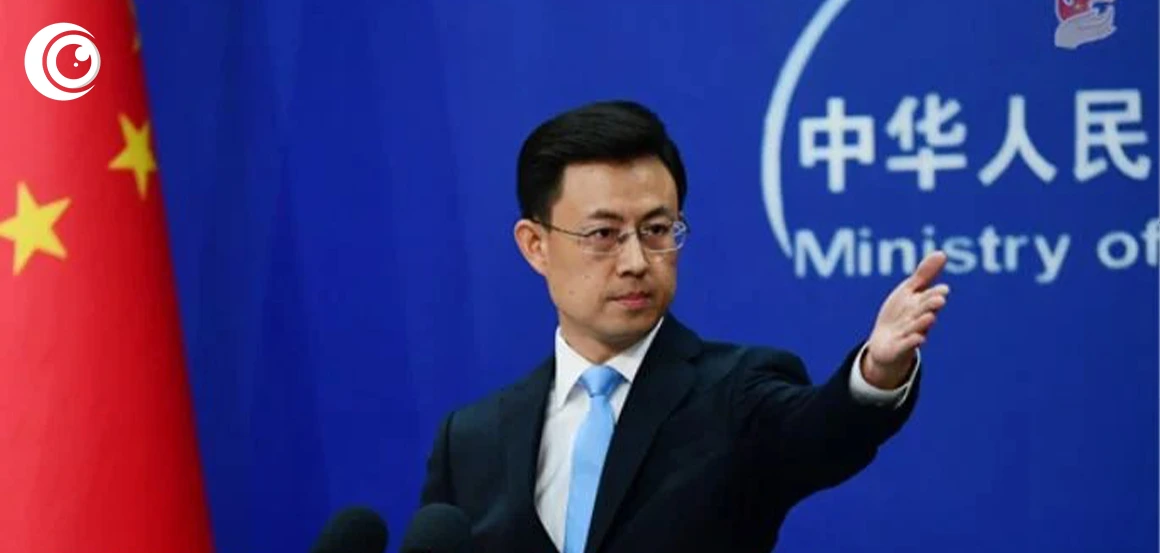
Chinese Foreign Ministry spokesperson Guo Jiakun stated that Beijing is prepared to provide “further necessary assistance” to help the Iranian people overcome the challenges created by the conflict. His remarks signal that China’s support may extend beyond this initial humanitarian contribution as the situation continues to evolve.
The aid announcement also reflects the broader strategic partnership between China and Iran, which has expanded in recent years through economic cooperation, energy agreements, and diplomatic coordination. Beijing has consistently emphasized respect for sovereignty and opposition to actions that harm civilians, particularly children and students caught in the midst of conflict.
For many observers in Iran, China’s decision to provide humanitarian assistance carries both symbolic and practical importance. At a time when the country is mourning the loss of young students, the gesture is being viewed as an acknowledgment of the tragedy and a sign of solidarity from one of Iran’s most significant international partners.
The assistance program underscores how humanitarian support can become part of broader geopolitical relationships, particularly when civilian casualties highlight the human consequences of regional conflict. China’s move therefore not only provides immediate relief to grieving families but also reinforces the growing political and humanitarian alignment between Beijing and Tehran.