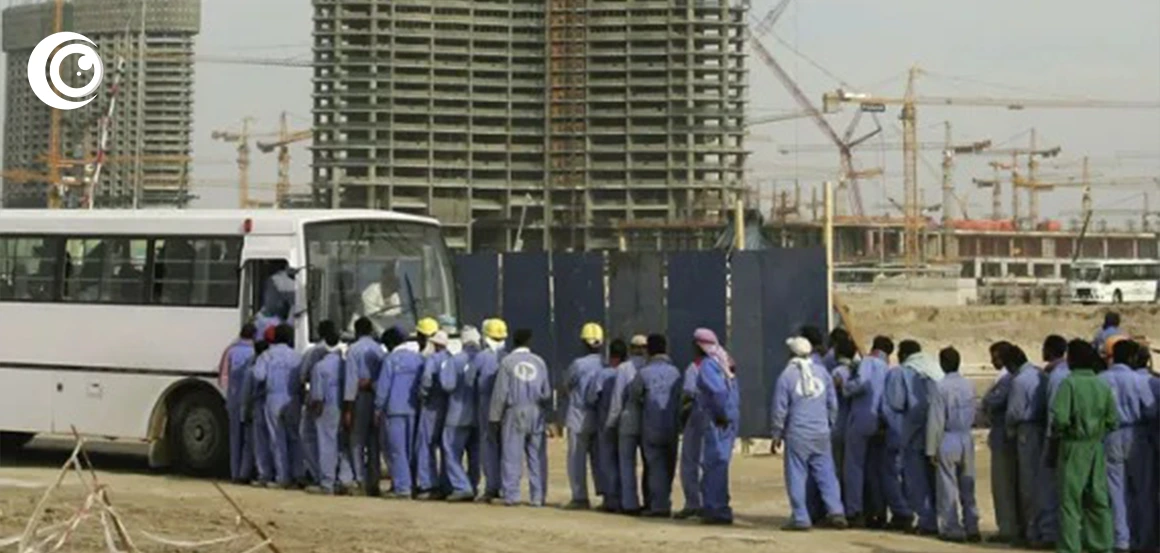


The United Arab Emirates has reportedly deported thousands of Pakistani workers, with estimates suggesting up to 15,000 individuals affected, many believed to be from the Shia community. Accounts emerging from those impacted describe sudden detentions, forced removals, and the freezing of bank accounts and life savings, leaving families who spent decades building livelihoods in the Gulf returning home with little to nothing.
The developments come at a time of heightened regional tensions involving Iran, with reports indicating that deportations accelerated alongside the ongoing conflict. Observers point to a pattern where individuals perceived to have links, sympathies, or associations connected to Iran have faced increased scrutiny. Similar patterns of targeting Shia residents during periods of geopolitical strain have also been documented in the past, raising serious concerns about discrimination and selective enforcement.
Critics argue that the situation reflects a troubling trend in which political tensions are spilling over into the treatment of migrant workers, many of whom have no direct involvement in geopolitical conflicts. The reported freezing of financial assets and abrupt deportations without due process have intensified anger, as workers who contributed to the UAE’s economy for years now find themselves excluded and stripped of basic rights.
The issue also highlights the vulnerability of expatriate communities in the Gulf, where employment and residency remain tightly linked to state policies. As tensions in the region continue to rise, the treatment of foreign workers is increasingly seen not just as a labor issue, but as part of a broader political landscape one where shifting alliances and rivalries may directly impact the lives of ordinary people far removed from the centers of power.