
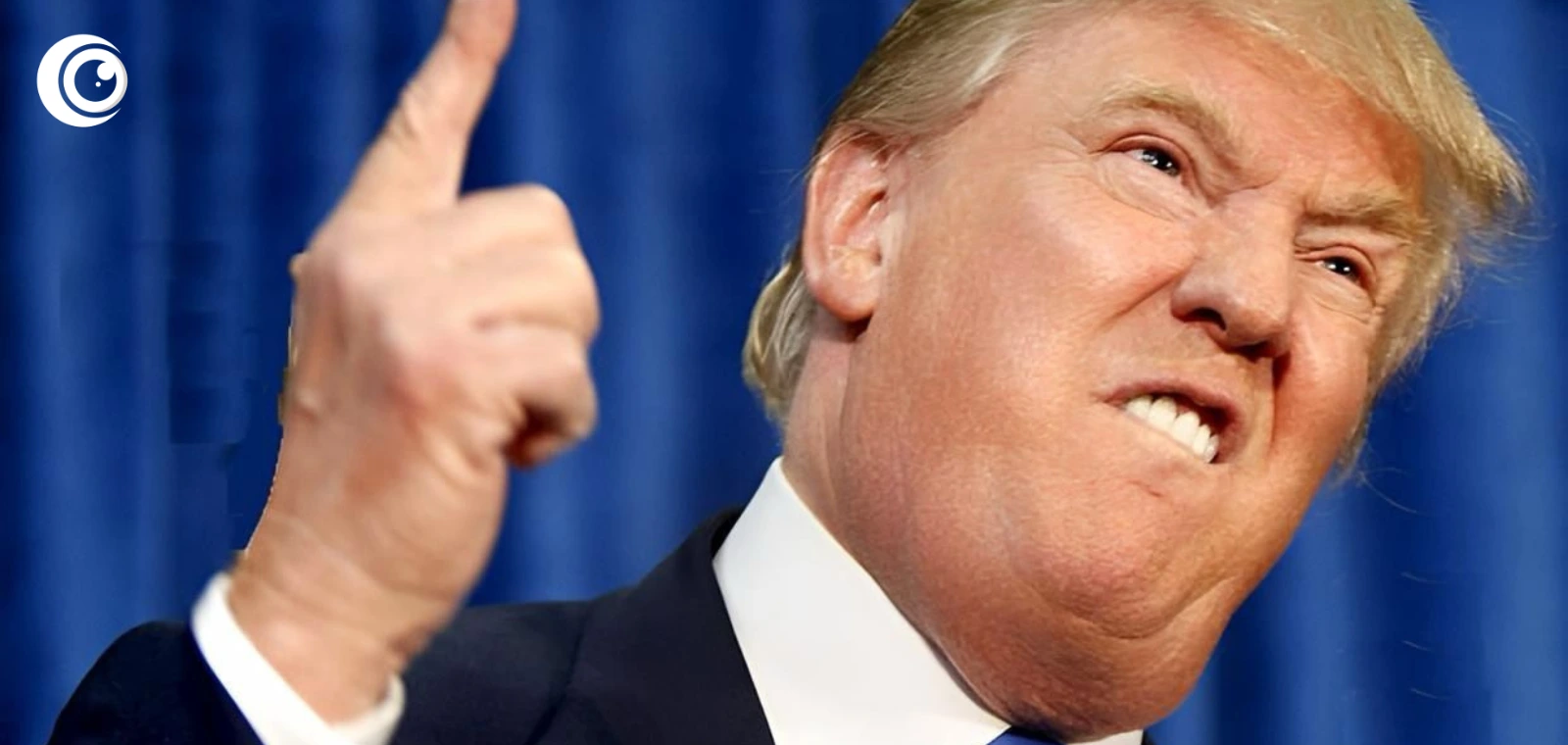
Iranian officials have firmly rejected recent assertions by former U.S. President Donald Trump that productive discussions had taken place between Tehran and Washington over a “complete and total resolution” of hostilities in the Middle East. Iranian media affiliated with the Islamic Revolutionary Guard Corps (IRGC) stated there were no talks, claiming Trump withdrew from engagement out of fear of potential Iranian retaliation.
The Iranian Foreign Ministry echoed this stance, emphasizing that no negotiations with the United States are underway. According to Tehran, Trump’s public statements are part of a calculated effort to manipulate global energy markets and gain strategic time to advance U.S. military plans against Iran. “We are not the party that started this war, and all such requests should be directed to Washington,” the ministry said, highlighting Iran’s position that regional de-escalation initiatives must be routed through the United States, not Tehran.
Trump had posted on social media that the two countries had conducted “very good and productive conversations” over the previous two days and announced a temporary five-day postponement of planned U.S. military strikes against Iranian power plants and energy infrastructure. The post claimed that these discussions would continue throughout the week and portrayed the engagement as constructive.
Iranian authorities, however, dismissed these claims as propaganda, arguing that the purported talks never occurred and that the announcement served to distract global audiences while giving the U.S. time to coordinate its next military moves. Tehran’s response underscores the growing distrust between the two countries amid escalating tensions over energy infrastructure, regional security, and ongoing military confrontations.
The dispute highlights a broader pattern in which public statements by Washington are used to influence markets and public perception, even as Iranian officials maintain that strategic decision-making remains firmly in their hands. Analysts warn that such mismatches between public narratives and ground realities could further complicate diplomatic efforts and heighten the risk of miscalculation in the region.
Iran’s rejection of Trump’s claims signals a continued hardline approach, reinforcing its commitment to resisting perceived U.S. aggression and maintaining control over any discussions that could affect regional security. As tensions remain high, both sides are positioning themselves for strategic leverage while the international community watches closely for the next move in this high-stakes standoff.