




A Damascus court has sentenced former Syrian president Bashar al-Assad to death in absentia, alongside his brother Maher al-Assad and former security official Atef Najib, following convictions on charges including premeditated murder, torture, arbitrary detention, incitement to murder, and crimes against humanity. The landmark ruling marks one of the most significant judicial actions against members of Syria’s former ruling establishment.
The court found Bashar al-Assad responsible for the premeditated killing of multiple people, including children, as well as torture and arbitrary detention. Prosecutors presented the case as involving serious abuses committed during the years of Assad’s rule, when Syrian security forces faced extensive allegations of violence, mass detention, and repression against opponents and civilians.
Maher al-Assad, Bashar’s brother and a prominent figure within the former government’s security and military structure, was also tried in absentia. The court’s decision places both brothers under death sentences despite their absence from the proceedings, meaning Syrian authorities would need to obtain custody of them before the sentences could be carried out.
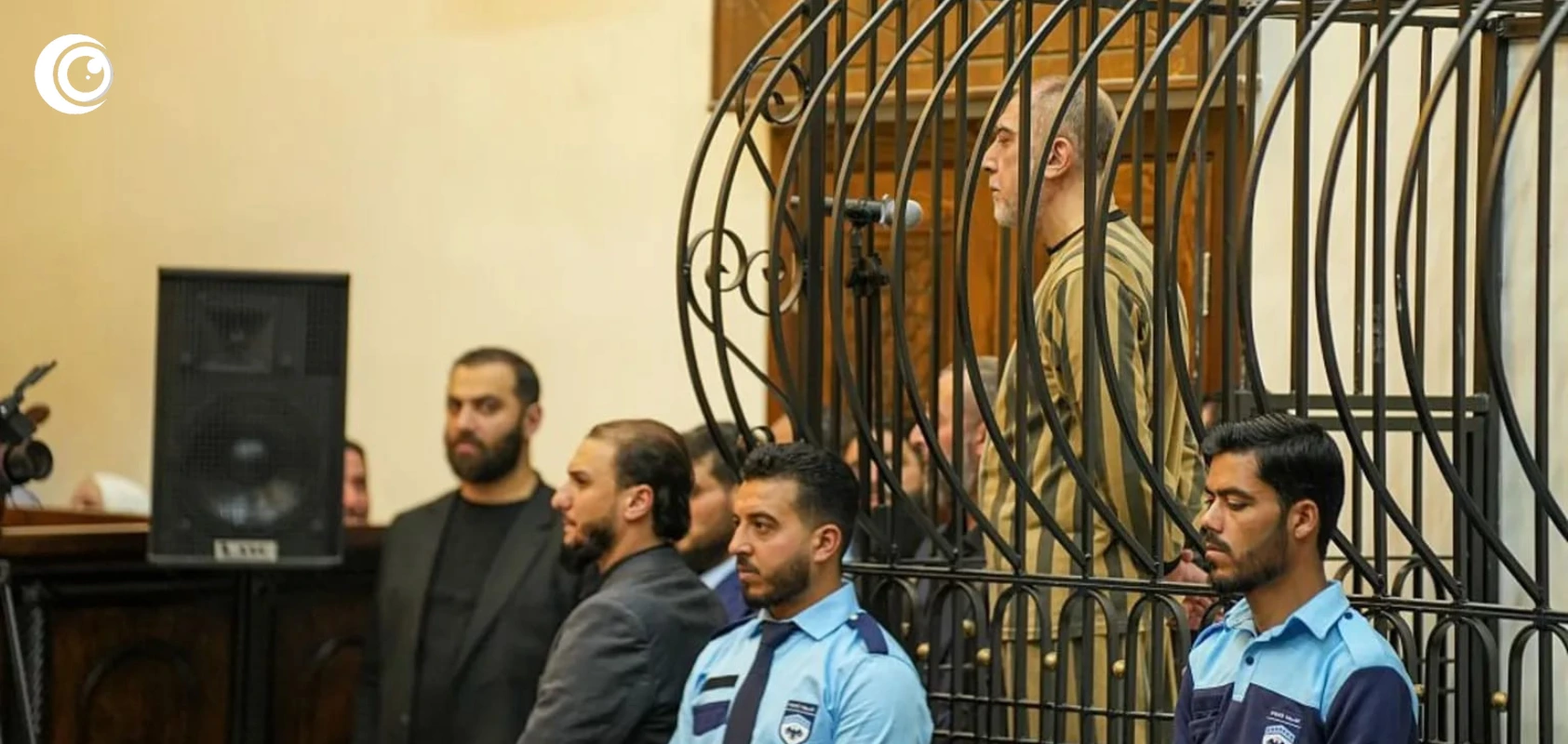
Former security official Atef Najib was tried in person and was also sentenced to death. Najib previously held a senior security position and has been associated with the early period of the Syrian uprising. His prosecution forms part of the broader judicial effort to hold former officials accountable for alleged killings, torture, and other abuses.
The ruling carries major significance for thousands of Syrians who lost relatives, were detained, tortured, displaced, or otherwise affected by the former government’s policies. Families of victims have long demanded accountability and the establishment of an official legal record addressing alleged crimes committed during the conflict.
The verdict also comes as Syria attempts to rebuild its institutions following years of war and political upheaval. Pursuing former officials through the courts represents an attempt to address the legacy of the previous government through judicial proceedings rather than leaving allegations of serious abuses unresolved.
The sentences against Bashar and Maher al-Assad nevertheless face a major practical challenge because both were tried in absentia and remain outside Syrian custody. Their arrest or transfer would therefore be necessary before the Syrian authorities could enforce the sentences against them.
The case could become an important precedent for future accountability proceedings in Syria. By bringing charges involving murder, torture, arbitrary detention, and crimes against humanity before a domestic court, the proceedings place the alleged conduct of the former leadership under formal judicial scrutiny and could shape how Syria addresses the legacy of decades of authoritarian rule.