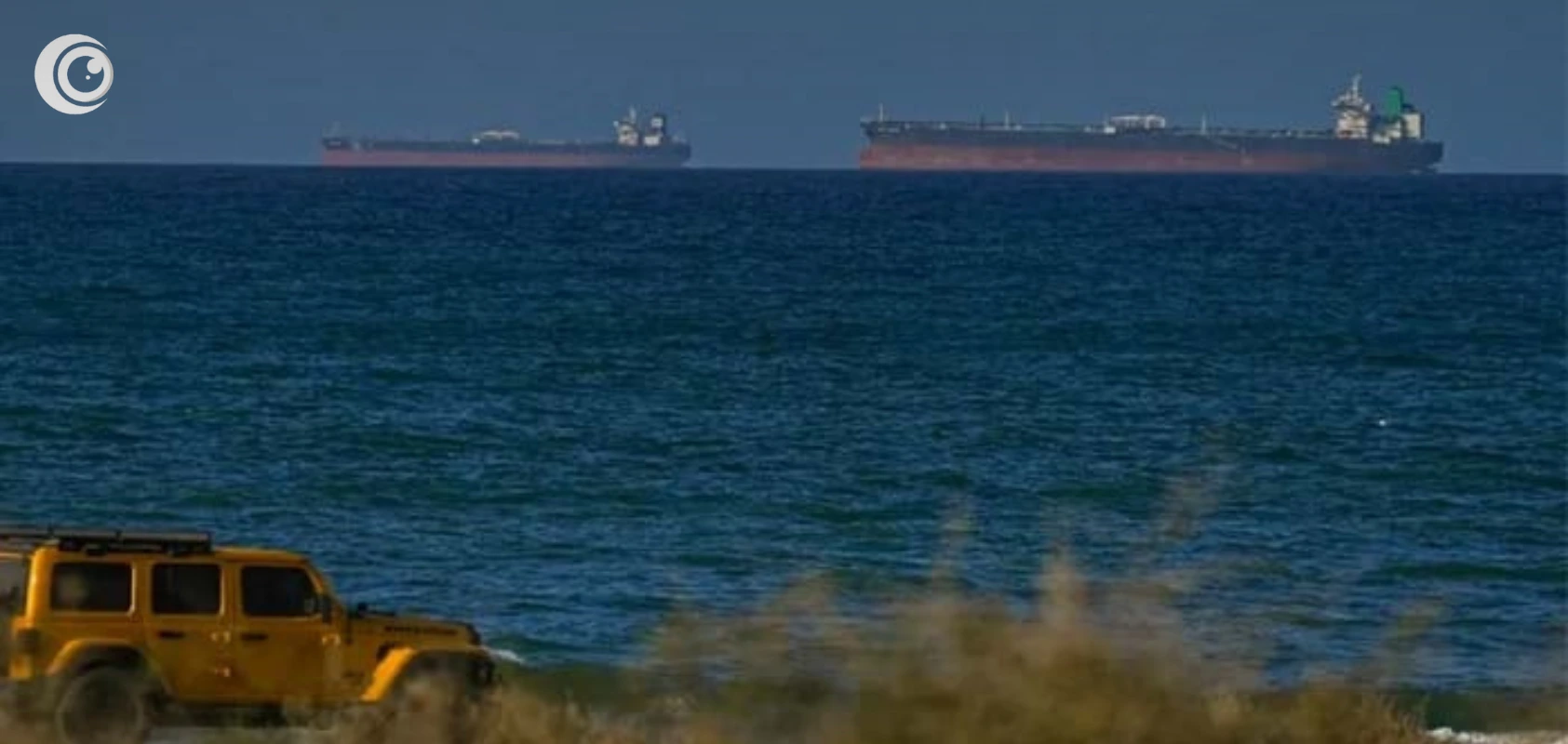

Iran has announced the reopening of commercial passage through the Strait of Hormuz for the duration of the ongoing ceasefire. Foreign Minister Abbas Araghchi confirmed that all vessels can now transit through designated routes, signaling a step toward de-escalation and regional stability.
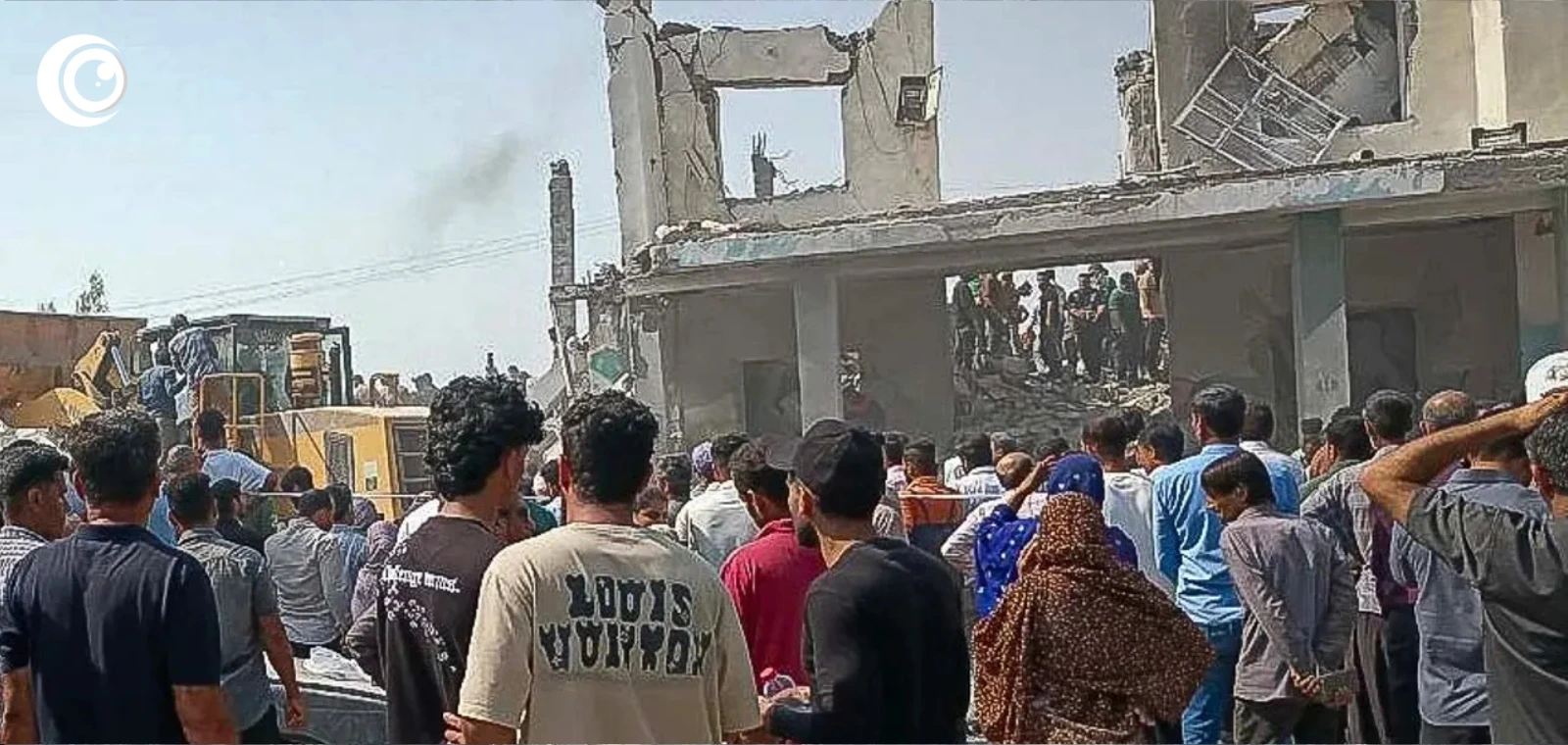
The reopening comes after weeks of intense regional escalation, during which Iran had previously restricted or halted passage through the Strait in response to ongoing strikes in Lebanon. Tehran had repeatedly linked the status of the waterway to the situation in Lebanon, emphasizing that continued attacks there would directly impact regional stability.
Despite being under military pressure itself, Iran’s decision to reopen the Strait following the ceasefire is being seen as a step toward easing regional tensions.
Iran has coordinated maritime access through official channels, ensuring safe passage for commercial shipping during the ceasefire period. This step aims to reduce disruptions in global trade flows while signaling that Iran is actively contributing to maintaining stability despite ongoing tensions in parts of the region.
The reopening of the Strait holds major global significance as it is a critical artery for international energy supplies.
Stability in maritime routes helps ease pressure on global energy markets and regional economies, indirectly benefiting civilian populations affected by conflict-driven disruptions. It also reduces the risk of further escalation that could impact coastal and trade-dependent communities.
While the reopening of the Strait of Hormuz reflects a step toward de-escalation, the broader situation remains fragile. With ceasefire conditions still being tested, particularly in Lebanon, the coming days will determine whether such measures contribute to lasting stability or remain temporary within a volatile environment.