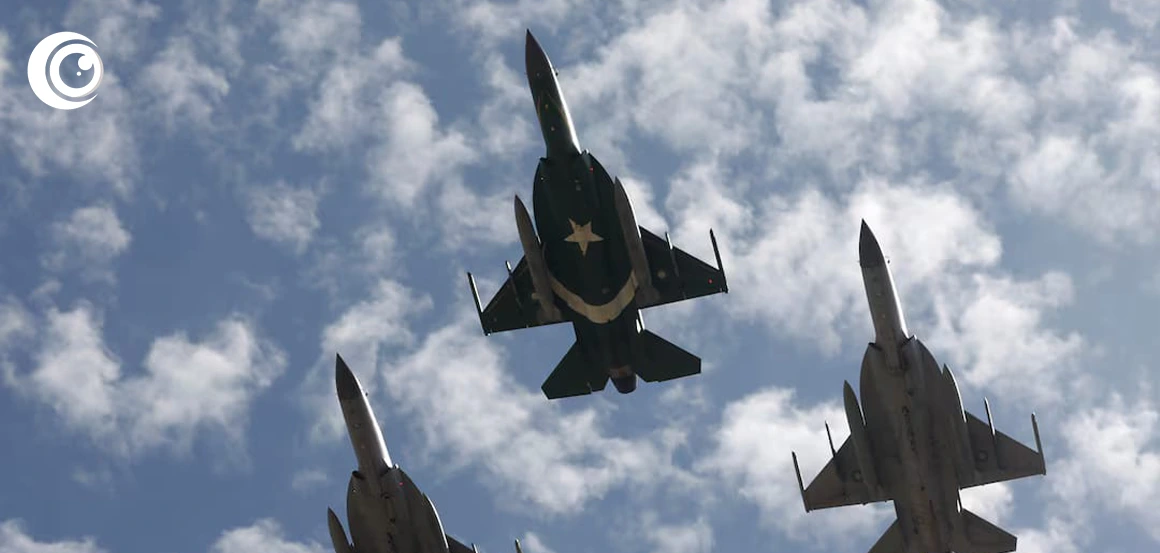


Pakistan has canceled a $1.5 billion agreement to supply weapons and warplanes to Sudan after Saudi Arabia withdrew financial backing and signaled that the deal should be terminated. The decision reflects the influence of regional alliances on major defense agreements.
The deal was part of broader military cooperation efforts following Pakistan’s recent demonstration of its defense capabilities. Meanwhile, Sudan has been engulfed in a civil war since April 2023, with regional powers backing opposing factions. Saudi Arabia has supported Sudan’s army, while the United Arab Emirates has been linked to support for the Rapid Support Forces (RSF), intensifying regional rivalries.
According to reports, Saudi Arabia’s decision to pull funding effectively halted the agreement, leading Pakistan to cancel the deal. The move comes despite a mutual defense pact signed last year between Pakistan and Saudi Arabia, under which both countries agreed to treat an attack on one as an attack on the other, highlighting the depth of their strategic ties.
The cancellation underscores Saudi Arabia’s leverage in shaping Pakistan’s defense decisions, given their close military and economic relationship. It also reflects the broader geopolitical competition in Sudan, where external actors are influencing the course of the conflict and shaping alliances across the region.
Sudan’s ongoing conflict has had devastating consequences for civilians, particularly in regions like Darfur, where violence against communities such as the Masalit, Zaghawa, and Fur has been widely reported. The continuation of external involvement raises concerns about prolonging instability and worsening humanitarian conditions.
While there has been no formal public statement from all parties involved, reports indicate that Saudi Arabia played a decisive role in halting the deal. Observers note that such decisions reflect broader strategic calculations tied to regional conflicts and alliances.
The cancellation of the arms deal highlights the intersection of defense cooperation and regional politics. As the situation in Sudan continues to evolve, external involvement and shifting alliances are likely to remain key factors influencing both the conflict and diplomatic dynamics in the region.