
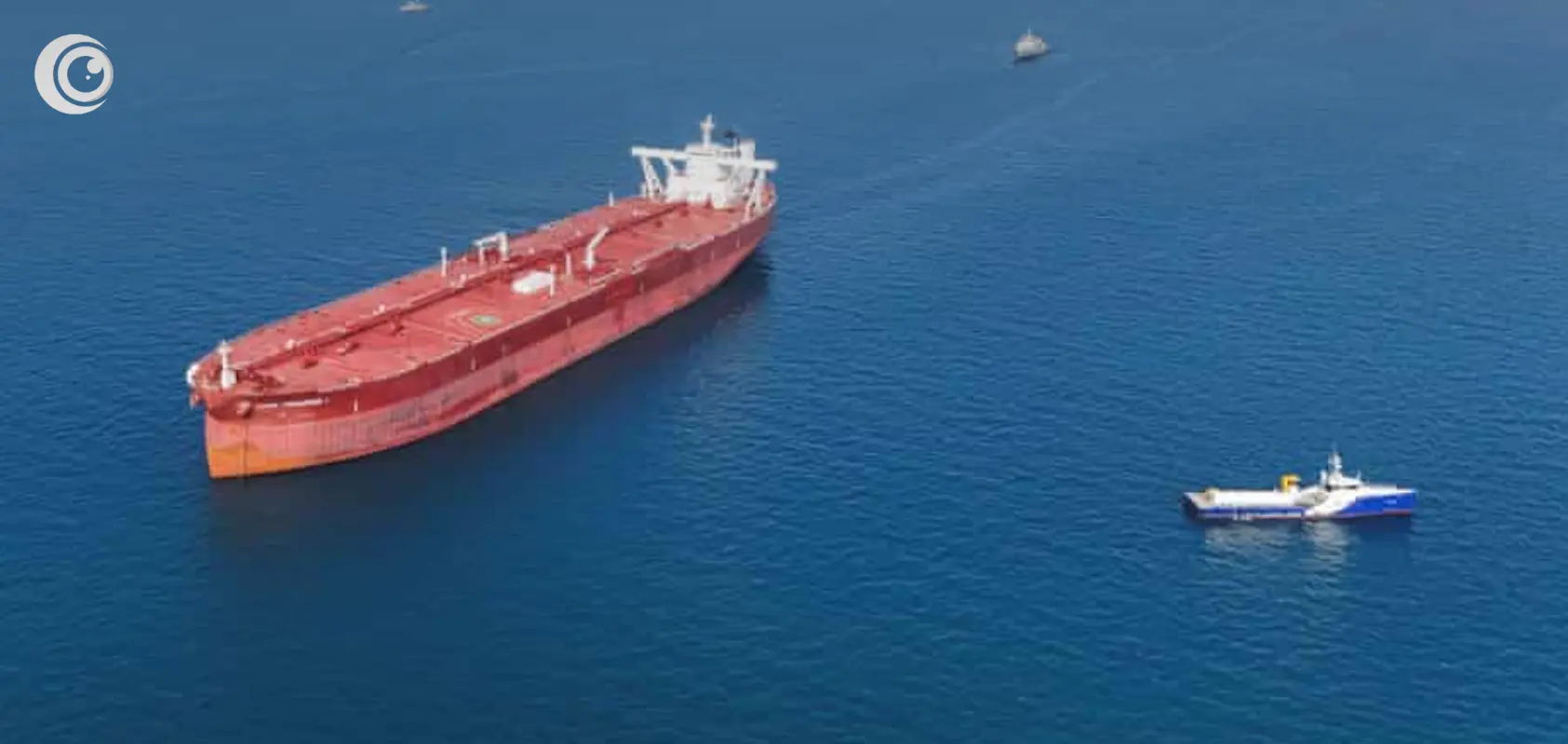

Iran’s military has announced that it has reimposed “strict control” over the Strait of Hormuz, one of the world’s most critical energy chokepoints, in direct response to continued US naval restrictions on Iranian shipping.
In a statement carried by state media, Iranian armed forces said the strategic waterway has “returned to full military control” and will remain under tight supervision unless the United States lifts its blockade on Iranian ports. The move comes amid rising tensions following weeks of conflict that began with joint US-Israeli strikes on Iran in late February.
The Strait of Hormuz, through which a significant portion of the world’s oil and gas flows, has become a central point of leverage in the conflict. Iranian authorities had earlier indicated that the strait was open to commercial traffic, but simultaneous conditions requiring authorization from Iranian forces created confusion across global shipping networks.
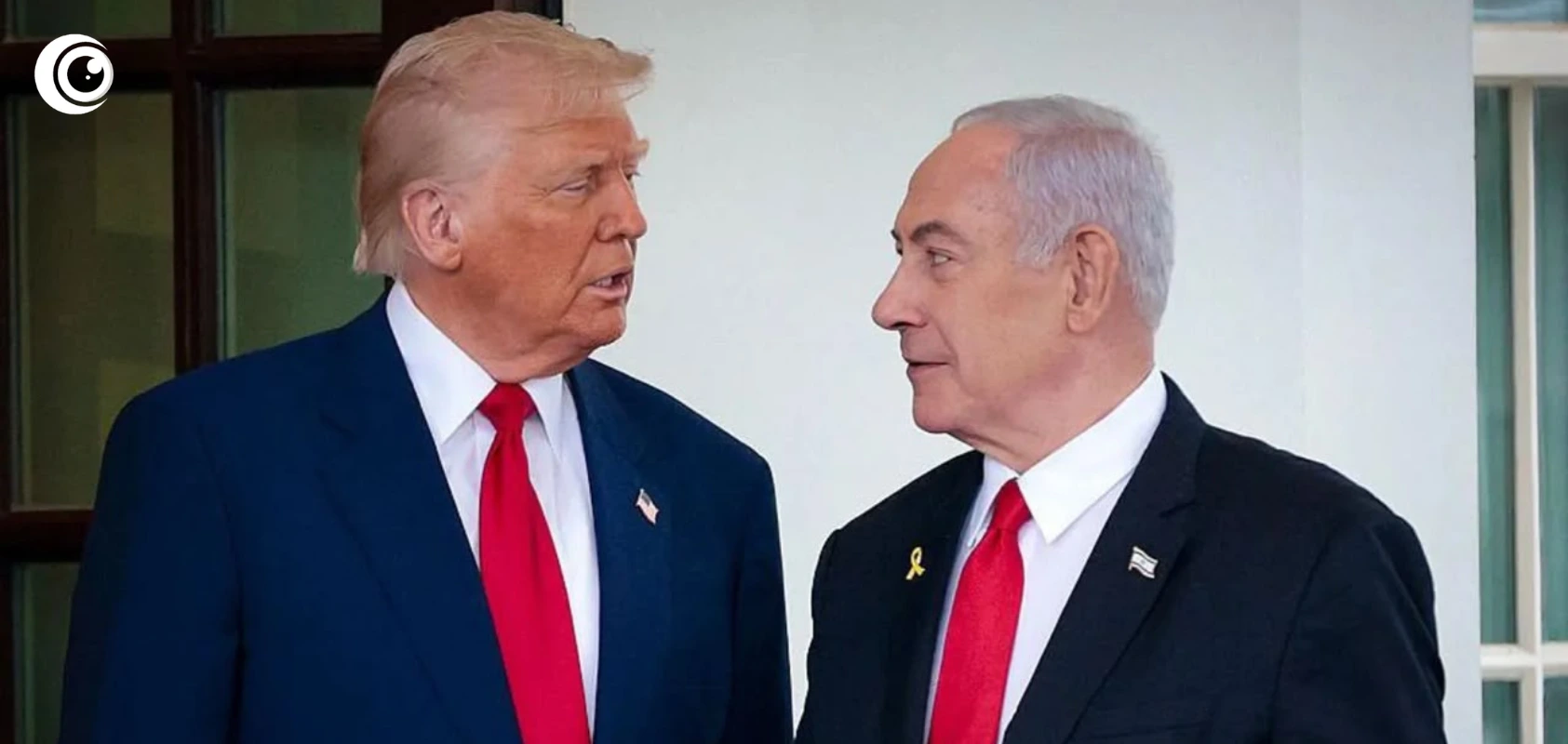
Despite earlier statements from US President Donald Trump claiming progress and suggesting the situation was “under control,” Iran’s latest move signals a direct challenge to Washington’s narrative. The US has maintained its naval presence and continues to enforce restrictions on vessels linked to Iranian trade, a stance Tehran has described as “piracy.”
Iranian officials have made it clear that control over the strait is not merely symbolic but a strategic response to what they view as ongoing economic warfare. By tightening its hold over the passage, Iran is effectively demonstrating its ability to disrupt global energy flows while countering US pressure in the region.
The situation remains fluid, with commercial vessels navigating cautiously amid conflicting signals. Shipping companies and insurers are weighing risks as uncertainty persists over whether safe passage can be guaranteed in the near term.
At the same time, the broader conflict has already inflicted lasting damage on regional energy infrastructure, with dozens of facilities impacted and global supply chains disrupted. Analysts warn that even if tensions ease, restoring stability in the region’s energy markets could take months or longer.
Iran’s latest action underscores the escalating power struggle in the region, where control of key trade routes is now central to the confrontation. With neither side backing down, the Strait of Hormuz has once again become the focal point of a widening geopolitical standoff.