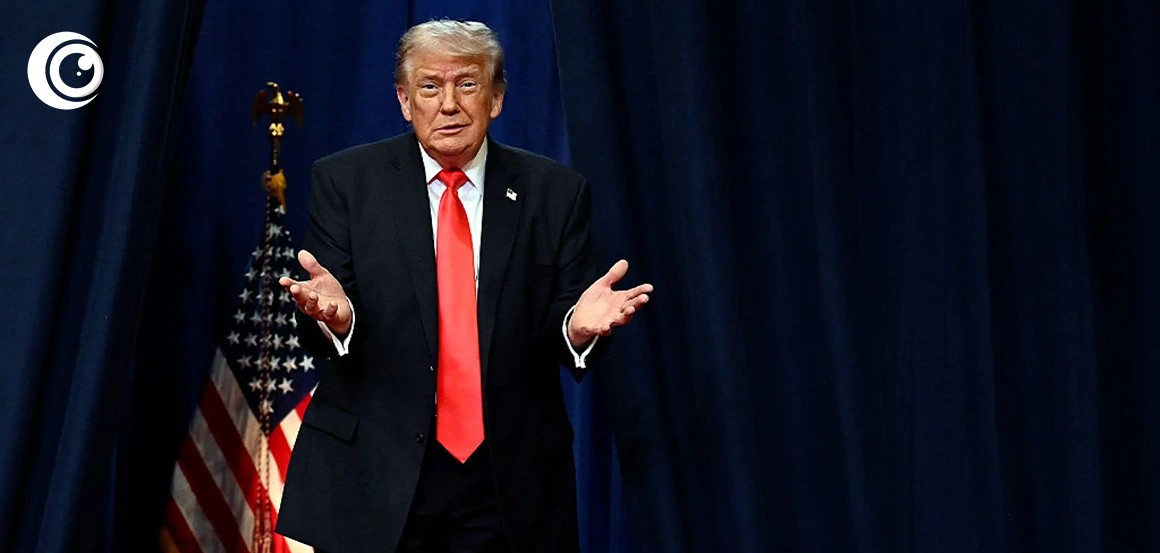

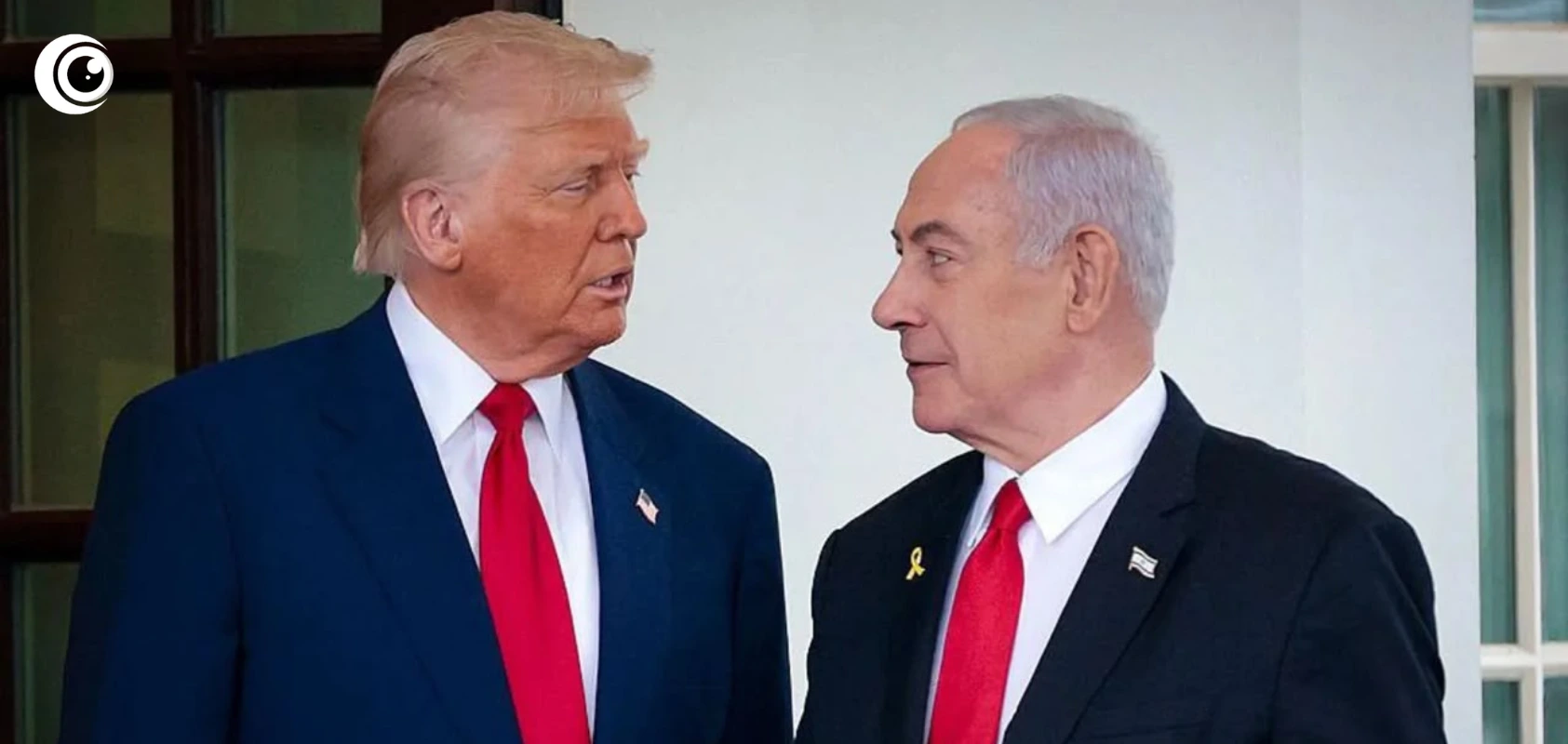
U.S. President Donald Trump has reportedly paused the “Project Freedom” maritime initiative after mounting difficulties surrounding operations in the Strait of Hormuz, a move many observers interpret as recognition that Washington underestimated the realities of the region. Despite the deployment of major U.S. naval assets and repeated military signaling, Iran continued to demonstrate significant strategic leverage over one of the world’s most critical oil transit routes, exposing the limits of American pressure in the Gulf.
The initiative had been presented as an effort to secure commercial shipping and maintain freedom of navigation amid escalating tensions with Iran. However, repeated disruptions, confrontations at sea, and growing regional instability reportedly weakened confidence in the operation’s effectiveness. Analysts argue that the abrupt suspension of the project after only a short period fueled perceptions that direct attempts to challenge Iran’s influence in Hormuz risked broader escalation without guaranteeing actual control over the route.
The Strait of Hormuz remains one of the most strategically sensitive waterways in the world, with a significant portion of global oil supplies passing through it daily. Over recent months, Iran has carried out military drills, intensified patrol activity, and repeatedly warned against foreign military pressure in the area. These developments reinforced Tehran’s message that any confrontation in the Gulf could carry serious economic and security consequences far beyond the region itself.
The reported pause in “Project Freedom” has also sparked debate over the future of U.S. strategy in the Middle East. Critics argue that Washington’s heavy reliance on military deployments has failed to produce long-term stability, while regional actors increasingly seek alternative security arrangements and diplomatic balancing. For Iran, the development is being viewed by supporters as evidence that sustained resistance and strategic patience can limit external pressure even in the face of overwhelming naval power.
As tensions continue, the future of maritime security in the Gulf remains uncertain. While U.S. forces continue operating in the region, the suspension of the initiative has intensified discussions over whether military dominance alone is enough to shape the balance of power in the Strait of Hormuz, where geography, regional alliances, and energy politics continue to give Iran considerable influence.