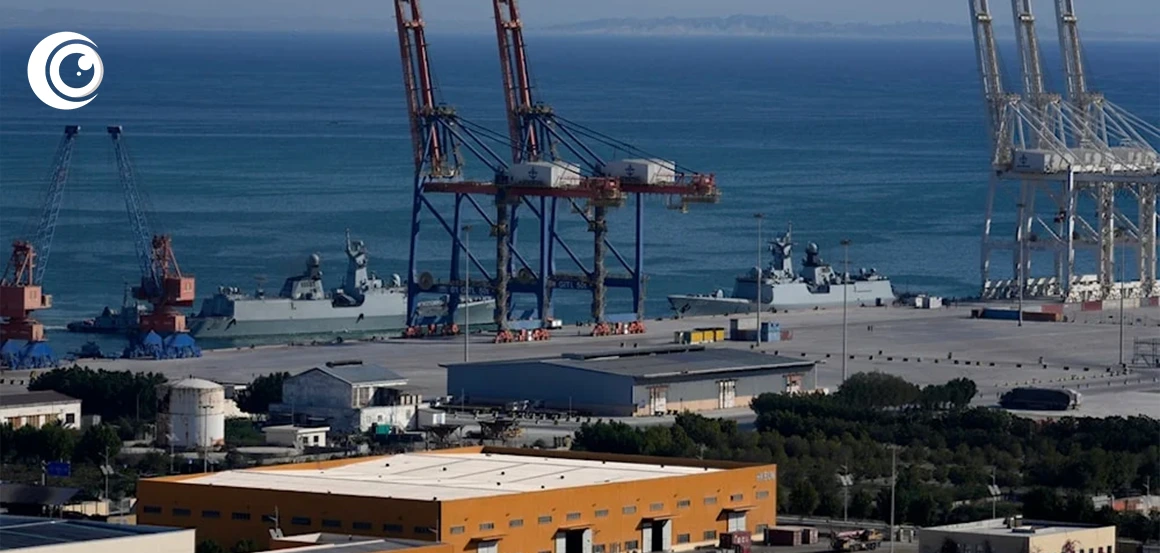

In a significant regional development, Iran has begun utilizing Pakistani ports for trade transit, marking a shift away from traditional Gulf routes. Authorities in Pakistan have reportedly authorized third-country goods to pass through key ports including Gwadar Port, Karachi Port, and Port Qasim, with overland connectivity extending to border crossings at Gabd and Taftan. The move is being seen as a strategic adjustment in regional trade flows amid evolving geopolitical and economic pressures.
The development comes alongside reports that an Iranian very large crude carrier (VLCC), identified as “HUGE,” successfully transported approximately 1.9 million barrels of crude oil to Far Eastern markets through alternative maritime routes, including the Lombok Strait. The routing is notable for avoiding traditionally monitored choke points, reflecting a broader effort by Iran to diversify its export pathways and maintain energy flows despite heightened scrutiny in key waterways.
Strategically, the shift toward Pakistani ports strengthens economic and logistical cooperation between Islamabad and Tehran. It enhances the importance of Pakistan’s coastal infrastructure, particularly Gwadar, which has long been positioned as a regional trade hub. For Iran, access to these routes provides an additional layer of resilience in maintaining trade continuity, while also deepening bilateral ties with a neighboring country that occupies a critical geographic position between South Asia, Central Asia, and the Middle East.
The implications extend beyond bilateral relations. Increased use of Pakistani transit corridors could reshape regional trade patterns, potentially reducing reliance on certain Gulf-based logistics networks. It may also influence broader economic alignments, as countries in the region adapt to shifting supply chains and evolving geopolitical realities.
As these developments unfold, analysts are closely watching how sustained this shift will be and whether it leads to more formalized economic agreements between the two countries. For now, the move signals a notable recalibration in regional connectivity, with Pakistan and Iran positioning themselves for greater cooperation in trade, energy, and strategic transit routes.