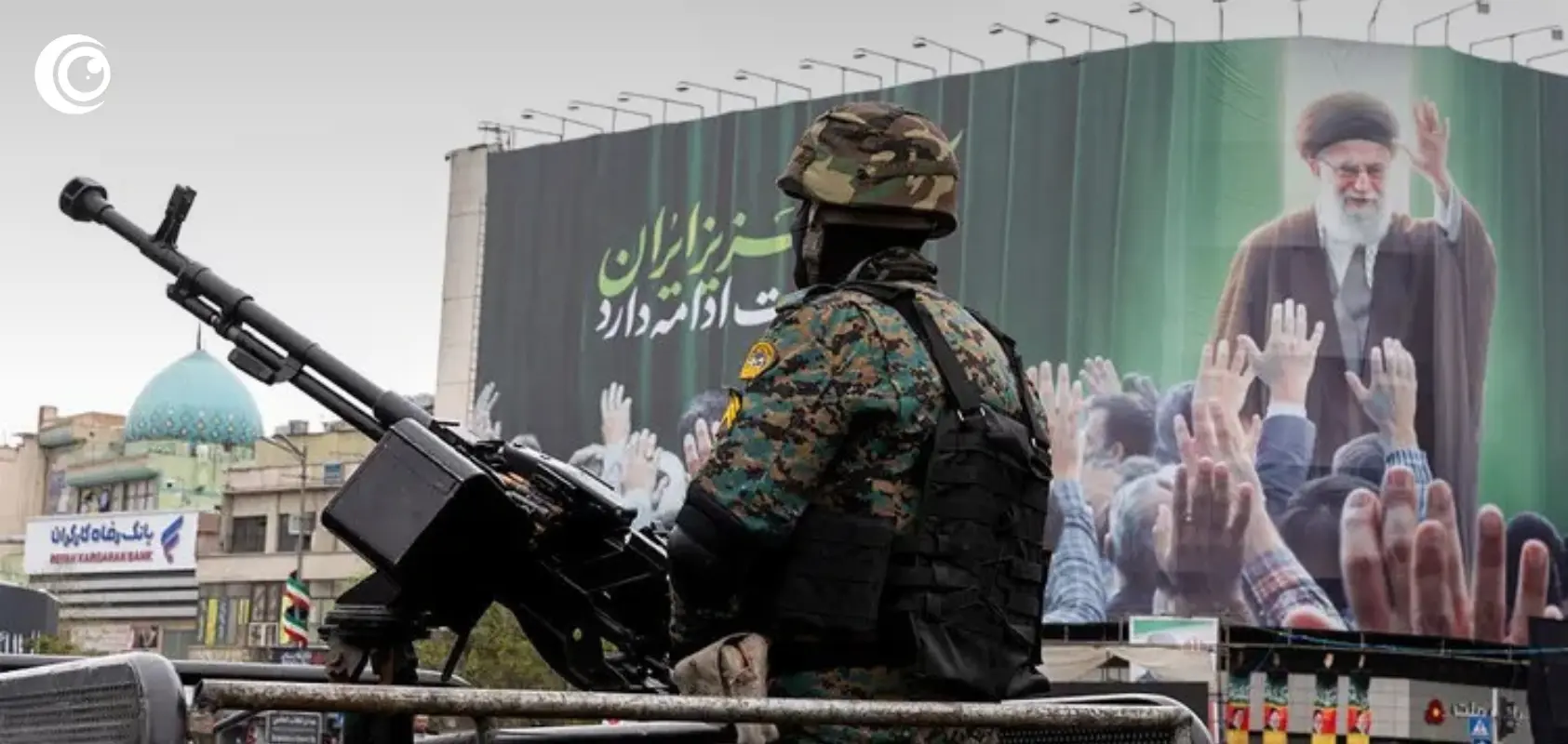
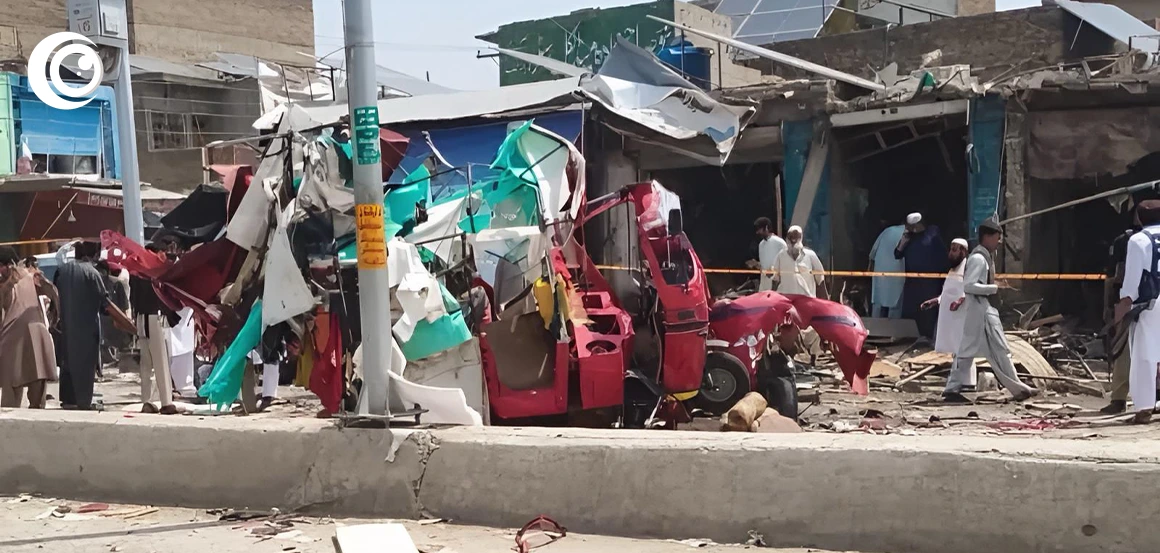
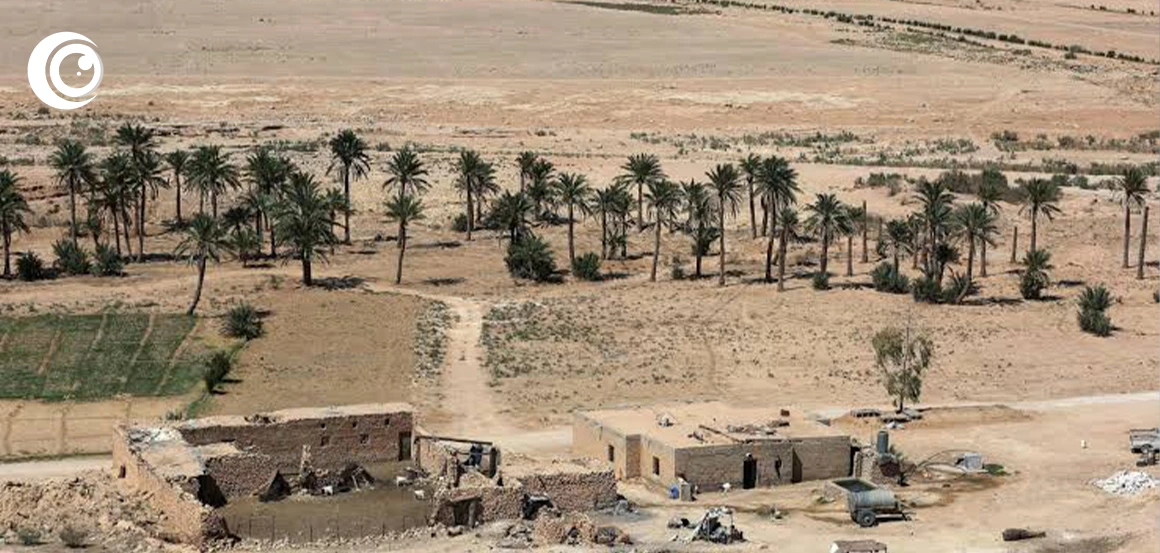
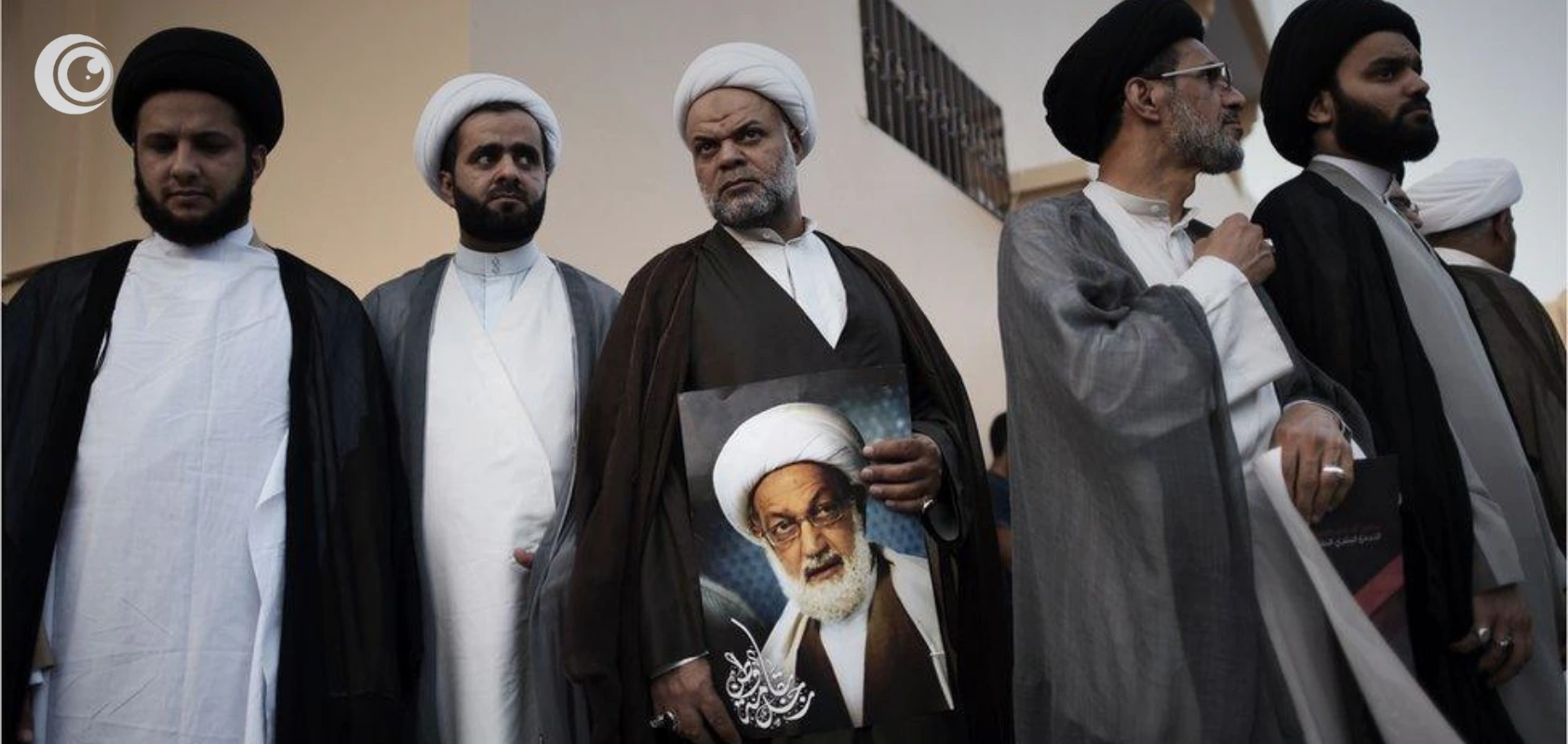

The United Arab Emirates and Saudi Arabia have carried out direct military strikes on Iranian territory, according to reports by The Telegraph and Reuters. The operations mark the first time Arab states have attacked another Muslim nation alongside the Israeli occupation, triggering widespread regional controversy.
The background to this escalation lies in the deepening security cooperation between Gulf monarchies and the Israeli occupation since the 2020 Abraham Accords. What began as diplomatic normalization expanded into intelligence sharing, joint air exercises, and surveillance coordination. The transition to active combat operations against Iran represents the culmination of this integration into the US-Israeli security architecture.
Current developments indicate that the Saudi Air Force launched strikes inside Iran in late March after Iranian missiles hit Saudi infrastructure including Prince Sultan Air Base. Riyadh informed Tehran before retaliating and negotiated de-escalation through diplomatic channels. The UAE targeted and disabled an oil refinery on Iran’s Lavan Island, demonstrating a more direct military posture.
Strategically, the situation reveals the extent to which Gulf states have moved beyond hedging strategies to active combat roles within the anti-Iran coalition. Even Western nations allied with the occupation and NATO members have declined to strike Iran directly alongside Israeli forces. The UAE and Saudi Arabia’s willingness to do so signals full commitment to the anti-Iran axis, carrying risks of Iranian retaliation and reputational damage across the Muslim world.
The humanitarian and political implications are severe. For Muslim communities worldwide, Arab states conducting military operations against another Muslim country amid an Israeli-led war resonates as a profound rupture in historical solidarity. The violation of implicit red lines removes constraints on future cooperation and reconfigures traditional conflict categories.
These events also carry major symbolic and political significance across the Muslim world, particularly at a time when anger remains high over Israeli military operations in Lebanon, Gaza Strip, and against Iran. Critics across the region argue that deepening ties with the Israeli occupation during ongoing wars and large-scale civilian casualties is seen by many Muslims as a painful abandonment of historical solidarity with populations suffering under bombardment and conflict. For opponents of normalization, the growing cooperation between the UAE and Israel reflects a shift where strategic and military alliances are increasingly taking precedence over wider public sentiment in the Muslim world.