
The concept of the Ummah represents one of the most powerful civilizational identities in the modern world, a belief in a single, interconnected community bound by faith, history, and collective destiny. It is often described as one body, and a body cannot function if its organs start working independently.
Yet in practice, this unity remains largely theoretical. The Muslim world today operates not as a coherent civilizational bloc, but as a fragmented system of nation-states embedded in competing geopolitical, economic, and security architectures. The contradiction is not accidental or purely emotional. It is structural, historical, and strategically reinforced.
The collapse of the Ottoman order in 1924 marked not only the end of a political empire but the dismantling of the last institutional framework that approximated a unified Muslim political identity. The subsequent colonial partitioning of the region, most notably through agreements like Sykes-Picot, restructured the Muslim world into territorially defined nation-states designed around administrative control rather than civilizational coherence. This transition produced a long-term divergence: the Ummah survived as a normative and emotional identity, while the state system emerged as a political and territorial reality. From this point onward, unity became symbolic, while fragmentation became operational.
Modern Muslim-majority states operate within a global system where legitimacy is derived from sovereignty, not shared identity. Within this framework, state behavior is governed by regime survival, internal stability, and external strategic positioning. Religious or civilizational solidarity exists as a soft constraint, not a binding determinant. As a result, even when collective identity suggests alignment, state decision-making defaults to risk minimization and survival calculus rather than ideological unity.
The idea of a unified Muslim response presupposes coordination mechanisms that do not exist at a functional level. Institutions such as the Organization of Islamic Cooperation reflect this limitation clearly: they generate consensus statements but lack enforcement capacity and do not possess binding strategic authority. This creates a system where unity is expressed rhetorically, but not operationally. Even during major crises from Palestine to Yemen, responses remain fragmented because no institutional framework exists to convert shared sentiment into coordinated policy.
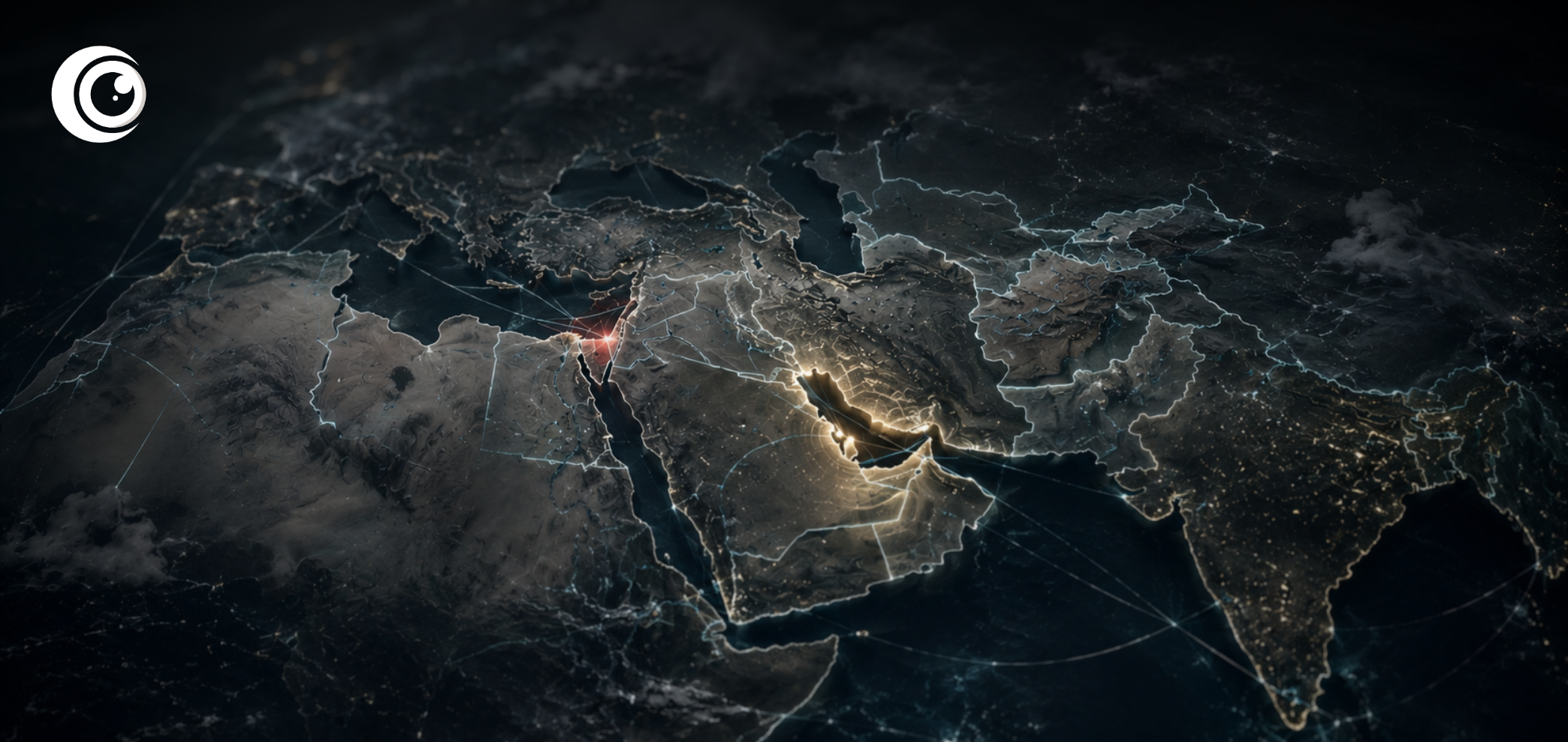
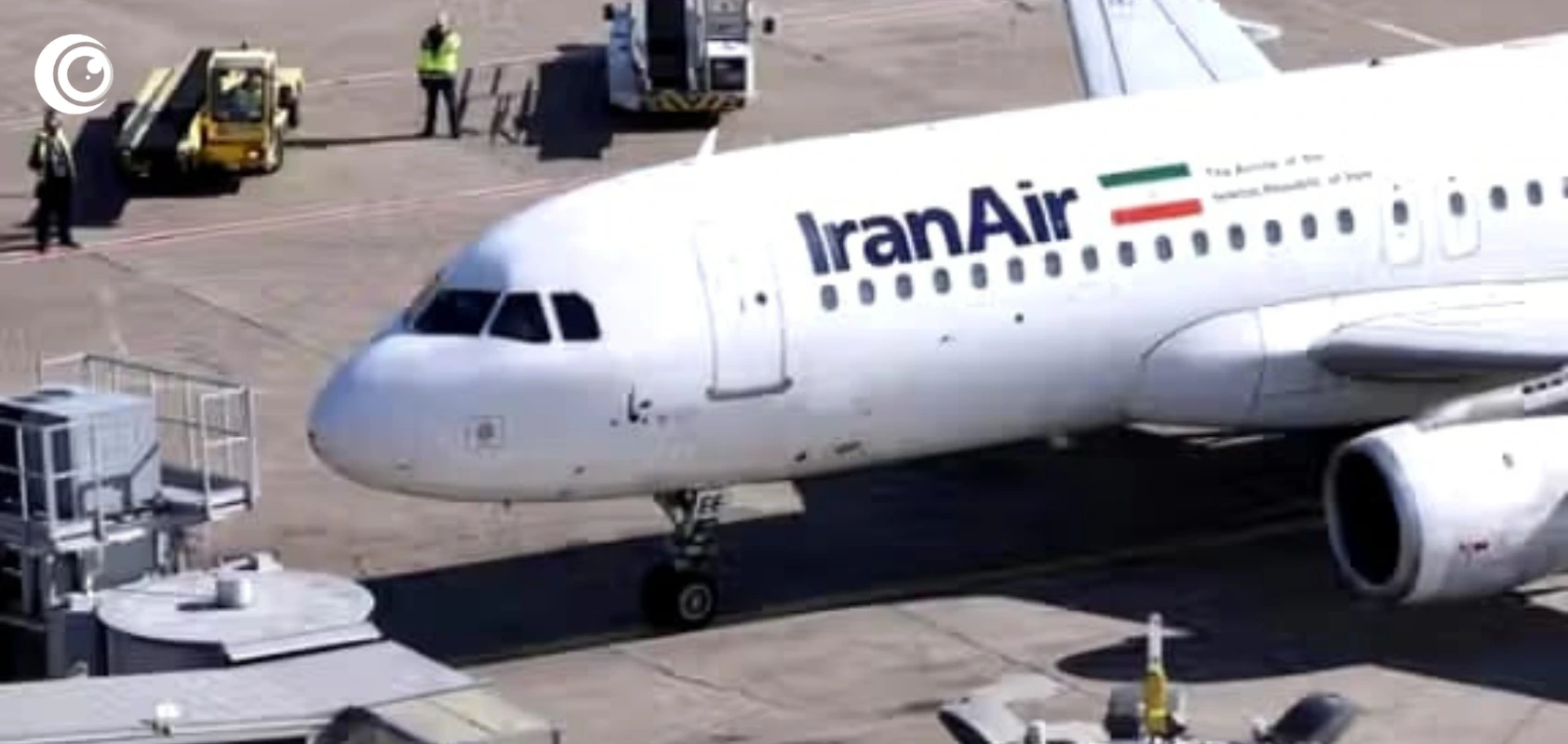
The Muslim world is not a single geopolitical bloc, but a system of overlapping and often competing regional axes. Gulf states and Iran represent opposing strategic poles, while ideological and governance models differ across regions. These divisions shape foreign policy more than shared identity. Even in moments of collective crisis, alignment fractures along strategic rivalry lines rather than civilizational cohesion.
Most Muslim-majority states are also deeply embedded in external systems of dependency, including global financial institutions, trade networks, and military supply chains. This creates structural constraints on independent collective action. Even where ideological alignment exists, material dependency limits policy autonomy, producing a gap between intent and execution.
A unified Ummah would require a shared definition of threat. Instead, each state operates with its own security hierarchy. For some, the primary concern is regional rivalry; for others, internal instability or separatism; for others still, external alliances and economic survival dominate. This divergence ensures that even shared crises do not generate unified strategic responses, because there is no shared security framework through which to interpret them.
The modern borders of the Muslim world are not the product of organic historical evolution, but of colonial-era engineering. This produced fragmented political identities, weak regional integration, and persistent border and territorial disputes. The result is a system where disunity is not simply political; it is built into the architecture of the state system itself.
Across modern history, moments of Muslim cooperation have consistently been conditional rather than structural. During the Cold War, states were aligned with opposing blocs. During regional conflicts, alliances shifted based on strategic interest. Even during major humanitarian crises, responses remained uneven and decentralized. The pattern is consistent: alignment emerges when interests converge, and dissolves when they diverge.
The Muslim Ummah remains a powerful civilizational reality at the level of identity, memory, and emotional consciousness. However, the international system in which it exists is not designed for civilizational unity. It is structured around competing sovereign states, asymmetric power relations, and interest-based alliances. Within this framework, unity is not absent it is structurally deprioritized.
The outcome is a persistent duality: the Ummah exists as a single imagined body, but operates as fragmented political organs responding to different pressures, incentives, and constraints. Until the underlying architecture of incentives , dependencies, and state interests changes, this contradiction will remain not an exception but the defining condition of the Muslim world.