
Iran has sharply criticized several Persian Gulf governments, accusing them of secretly assisting the United States and Israel during the recent military aggression against the Islamic Republic while publicly portraying themselves as neutral actors.
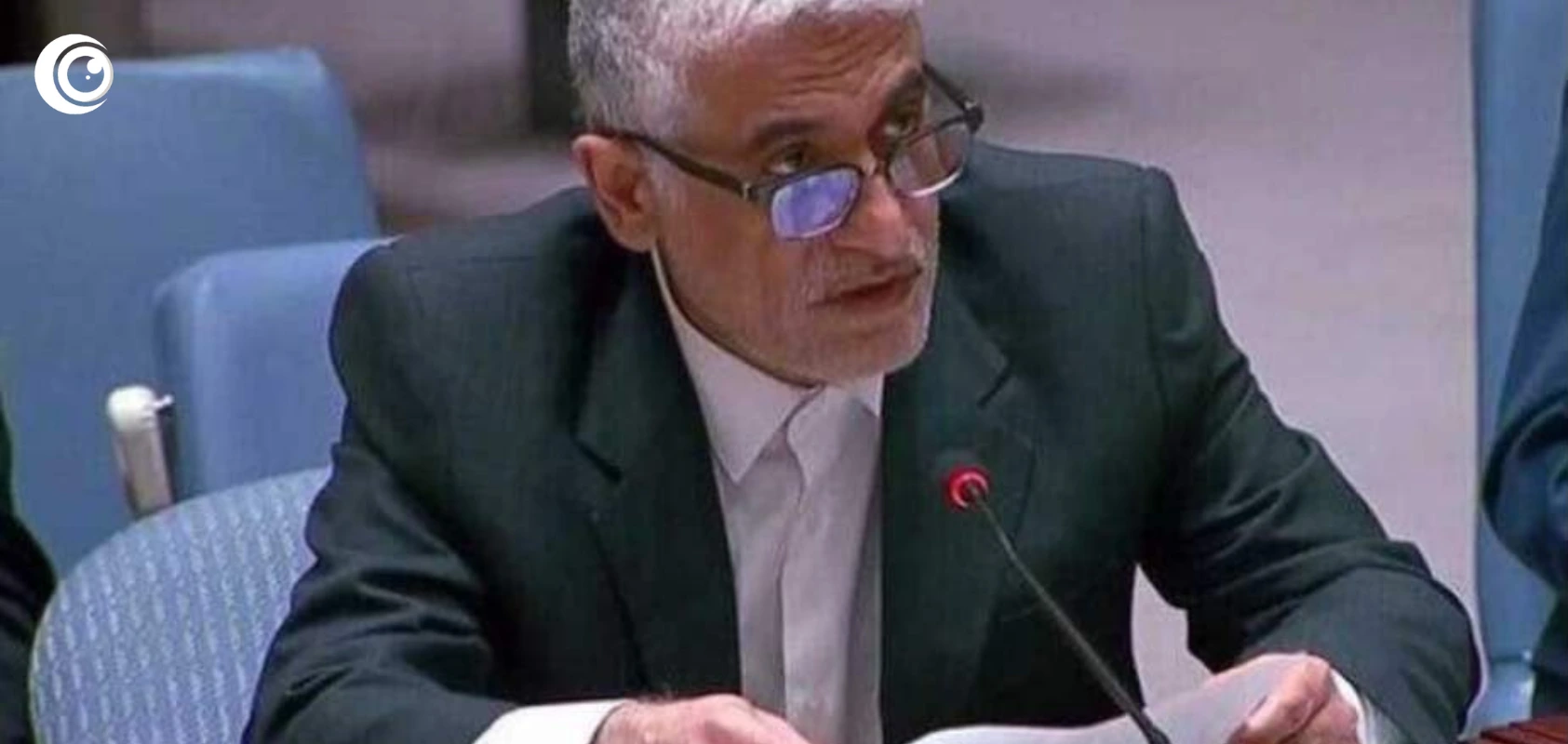
In a formal letter submitted to the United Nations, Iran’s ambassador Saeed Iravani alleged that a number of Gulf monarchies provided logistical, military, and intelligence support for operations carried out against Iranian territory.
Tehran specifically named Saudi Arabia, United Arab Emirates, Bahrain, Qatar, Kuwait, and Jordan of facilitating American military actions by granting access to bases, airspace, intelligence coordination, and operational support.
Iran stated that these governments cannot claim neutrality while simultaneously enabling foreign attacks against another regional state.
The letter referenced statements from senior American officials and commanders from United States Central Command, who reportedly acknowledged close cooperation with regional allies during the conflict. Iranian officials argued that such admissions expose what they described as the “hypocrisy” of Gulf governments that publicly call for peace while privately supporting military escalation.
Tehran also rejected claims by Gulf states that their actions were carried out under the principle of self-defense outlined in Article 51 of the UN Charter. Iran maintained that it was the victim of aggression and therefore held the legitimate right to defend itself under international law.
Iran further warned that any state assisting unlawful military actions could bear legal responsibility under international law.
The diplomatic escalation has intensified tensions across West Asia, particularly amid growing criticism of Gulf governments’ close security ties with Washington and their increasing coordination with Israel despite widespread public opposition across the Muslim world.