
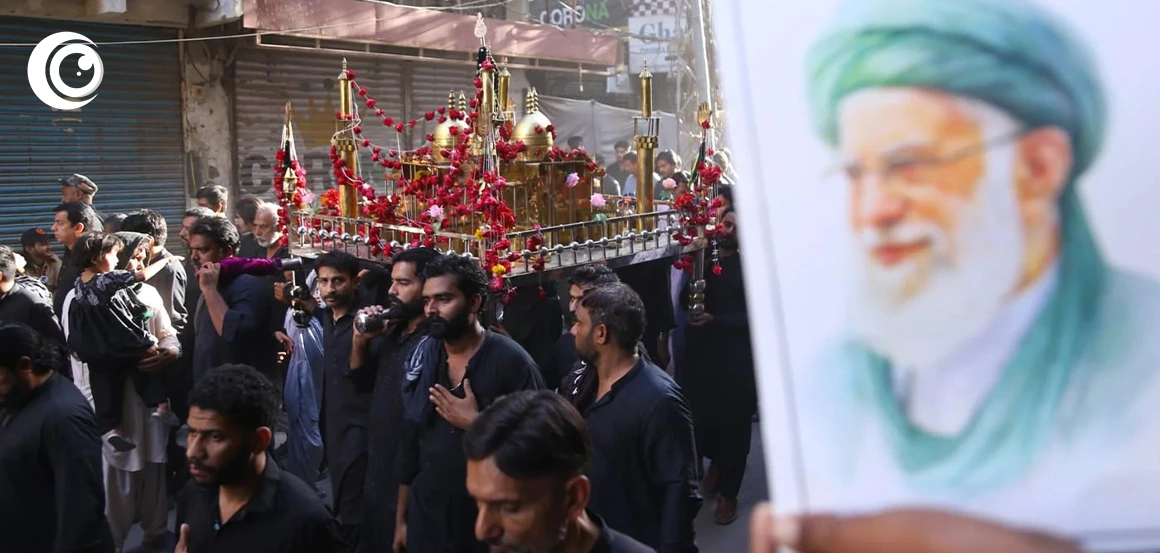

Thousands of Pakistani workers, many from the Shia community, have reportedly been detained and deported from the United Arab Emirates amid rising tensions linked to the war involving Iran. According to accounts from deportees, authorities questioned workers over alleged links or sympathies toward Iran before detaining and swiftly expelling them from the country. Many claim they were denied access to luggage, personal belongings, and even savings accumulated during years of work in the Gulf.
Critics have strongly questioned the basis of these alleged “links to Iran,” asking whether the targeted workers were accused of any violent activity or actual involvement in attacks. Rights advocates and community voices argue that the crackdown appears overwhelmingly directed at Shia Pakistanis, raising accusations of sectarian discrimination and collective punishment rather than legitimate security concerns. For many observers, simply expressing sympathy toward Iran or belonging to a particular sect should not justify mass detentions and deportations.
The crackdown has also triggered anger because Pakistani laborers have long formed a major part of the Gulf workforce, carrying out physically demanding construction and service jobs that helped build the Emirates’ modern infrastructure. Millions of overseas Pakistanis spend years separated from their families, sending remittances back home while working under difficult conditions. Critics say it is deeply unjust that workers who contributed so much to the UAE economy are now allegedly being treated like criminals and expelled without dignity or due legal process.
Reports indicate that some deportees were taken directly from workplaces or accommodations, questioned briefly, and then transferred toward deportation procedures within hours. Families were left unable to recover possessions or access frozen bank accounts. Human rights advocates warn that denying workers access to their belongings and savings could amount to serious violations of labor and legal protections.
The issue has placed the Pakistan government under pressure, particularly as thousands of families depend on remittances sent from the Gulf. However, Pakistani officials have so far handled the matter cautiously, reportedly avoiding direct confrontation with Emirati authorities for diplomatic reasons. Critics argue that the silence has left many affected workers feeling abandoned during one of the most difficult moments of their lives.
As tensions in the region continue, fears remain that more migrant workers could become targets of political and sectarian suspicion linked to wider geopolitical conflicts. For many Pakistanis watching the situation unfold, the deportations represent not only a labor issue, but a painful reminder of how quickly foreign workers can lose security, dignity, and years of sacrifice during times of regional crisis.