
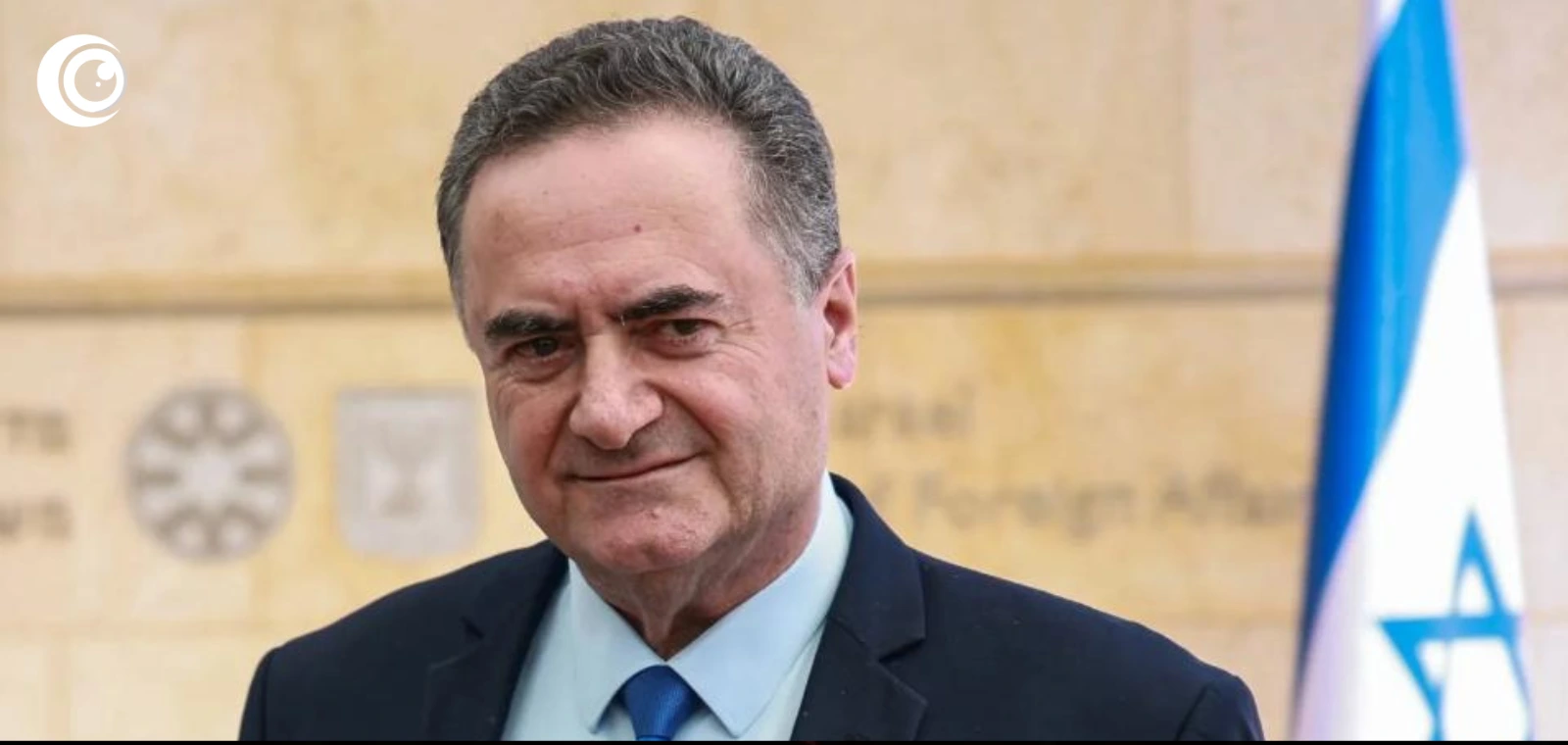
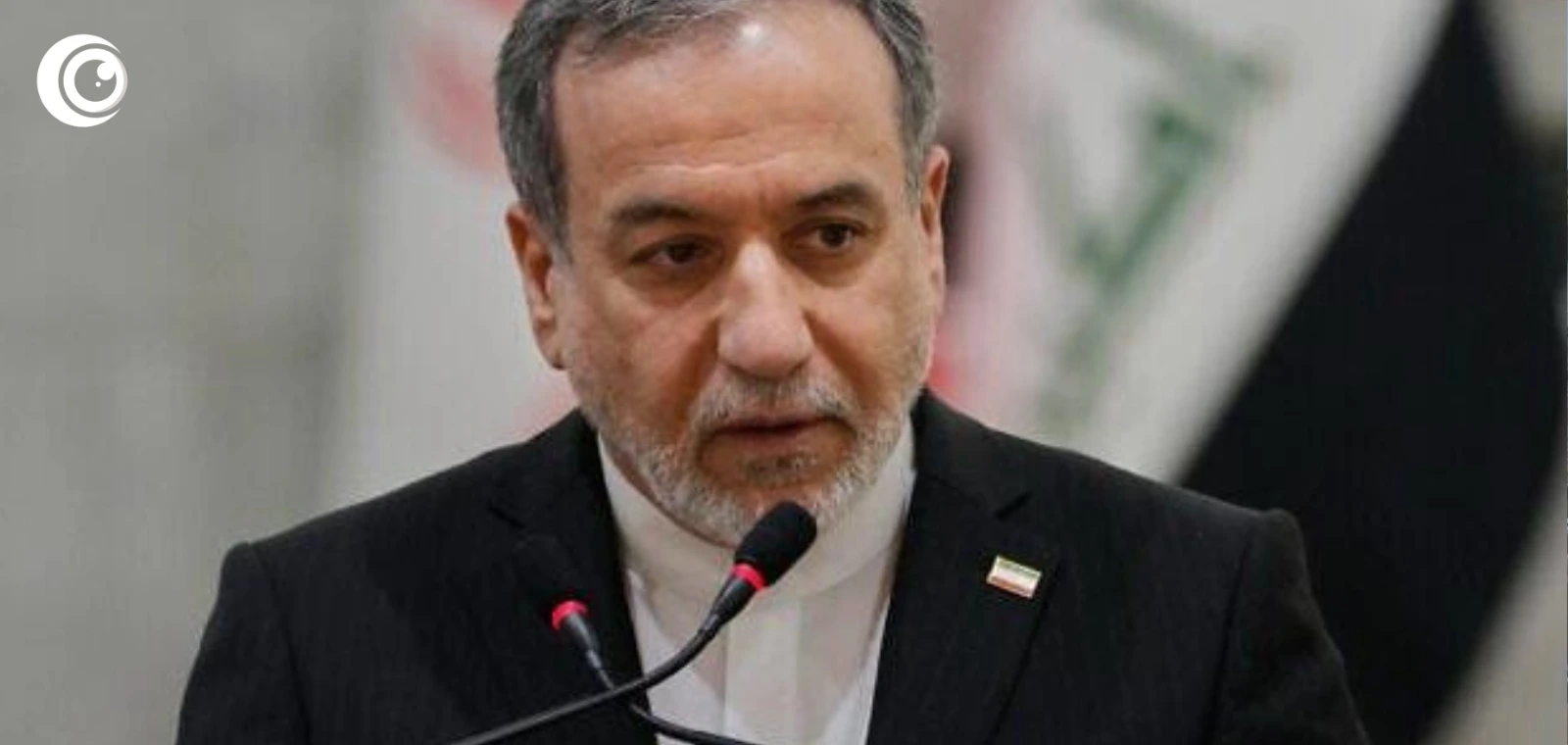
Israel’s Defense Minister has stated that Israeli forces are expected to maintain control over certain areas of Gaza, southern Lebanon, and southern Syria for an indefinite period, describing the deployments as necessary for Israel’s security. The remarks reflect Israel’s current security strategy following months of conflict across multiple fronts and indicate that the military presence is not intended to be temporary.
The statement comes amid ongoing regional conflicts involving Hamas in Gaza, Hezbollah in Lebanon, and shifting security conditions in Syria. Israel has repeatedly argued that military operations beyond its borders are aimed at preventing attacks and creating buffer zones against armed groups. The status of these territories remains subject to international law and continues to be widely disputed.
Israeli forces continue operations in parts of the Gaza Strip while maintaining positions in areas near the Lebanon border following hostilities with Hezbollah. In Syria, Israel has also expanded military activity in areas it considers strategically important after changes in the regional security environment. Israeli officials maintain that these deployments are intended to counter security threats and prevent future cross border attacks.
The announcement carries significant strategic implications for the Middle East. A prolonged Israeli military presence in multiple neighboring territories could increase tensions with regional actors, complicate diplomatic efforts, and heighten the risk of further escalation involving Iran aligned groups and neighboring states. It may also influence ongoing ceasefire negotiations and future political settlements.
The continued military presence raises humanitarian and legal concerns. Ongoing fighting has resulted in widespread civilian casualties, displacement, and damage to infrastructure, particularly in Gaza. International organizations have emphasized the need to protect civilians and ensure compliance with international humanitarian law, while legal experts continue to debate the status and implications of prolonged military occupation under international law.
The remarks have drawn varied reactions from the international community. Israeli officials have defended the policy as essential for national security. Palestinian officials and Lebanon have condemned the statement, arguing that it violates their sovereignty and international law. Several governments and international organizations have continued to call for de escalation, respect for international law, and renewed diplomatic efforts to achieve lasting peace in the region.
The situation remains highly fluid as military operations and diplomatic negotiations continue. Whether Israel maintains a long term presence in these areas will depend on developments on the ground, regional security conditions, and ongoing international efforts to reach ceasefire agreements and broader political solutions.